The Polar Street X is Polar’s first new watch line in quite a long time. Sure, they launched the Polar Loop wearable band last fall, but that’s not a watch. Whereas the Street X is a new series device seemingly aimed to compete with something like the Garmin Instinct series, but at a more budget friendly price – a mere $249USD. What makes it interesting are two key points: First, it’s Polar’s first watch with a flashlight built-in. And then secondly, the watch uses the company’s standardized watch platform, PolarOS.
That platform means that the watch is identical in software features to not just that a slightly more expensive Polar Vantage M3, but equally a much more expensive Polar Grit X2 Pro (save the lack of storage for offline mapping). Except, software features alone don’t make a watch. From there you move to hardware, and there are some substantial differences to Polar’s other watches. Not just in the plastic looks department, but also in the internals like GPS and heart rate. And unfortunately in this case, those internal differences have made a big impact on my final thinking here.
In any case, I purchased this unit myself and have been testing it out over the past nearly three weeks, in runs, races, rides, in the water, and much more. I’ve got a pretty good feel for where it works well, and where it falls short. As always, I don’t accept advertising from any company I review, and no company sees my reviews before you do. So, if you found this review useful, consider becoming a DCR Supporter, which gets you an ad-free site, plus the behind-the-scenes video series between both myself (and my wife) on everything that happens in the DCR Sports Tech Cave/universe.
The Key Specs:
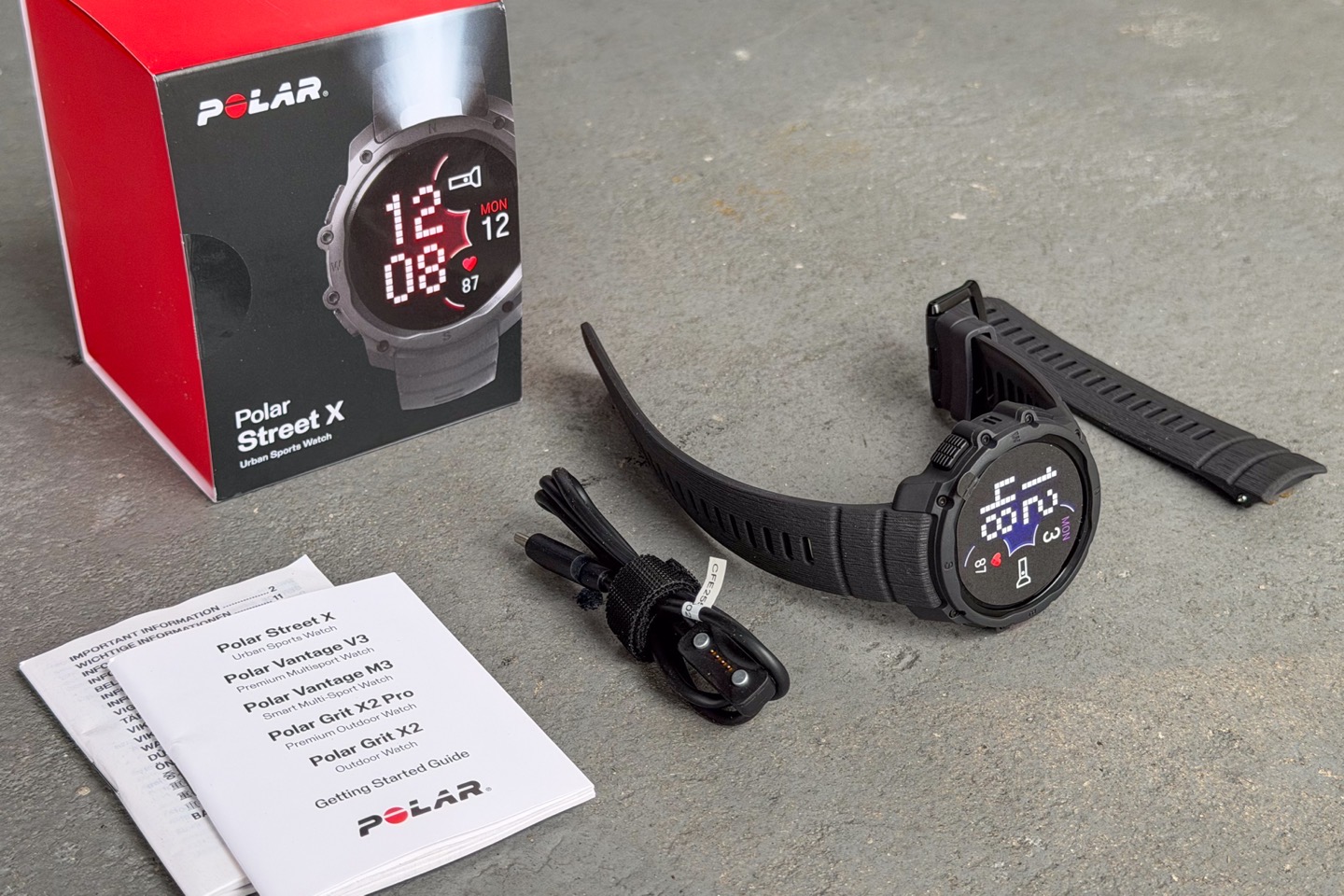
The Polar Street X is somewhat unique from Polar in that there’s no previous generation watch to compare it to, since it’s a new line. That said, all current-gen watches from Polar share the same PolarOS, and essentially have the same software features, except that some models also have offline mapping. But beyond that, they’re all nearly identical in software – and instead differ in hardware (e.g. battery, case design, GPS, display, etc…)
Thus, while this section would normally be comparing it to the previous version, in this case, I’m just going to cover the core specs, and then some quick differences below that:
– 45mm watch size/case
– 1.28” AMOLED touchscreen display (416x416px)
– 48g weight
– Gorilla Glass Lens
– 43-hour GPS runtime (gesture-based, not in always-on display mode)
– 10 days smartwatch time (again, gesture-based)
– MIL-STD-810H ruggedness standard
– WR50 (50-meter water resistance)
– Polar Gen 3.5 Optical HR sensor (Gen4 is newest)
– Barometer, Magnetic Compass, Accelerometer, Gyroscope
– Priced at $249USD
Probably the closest unit to compare it to is the Polar Vantage M3, which is essentially the same size. Here’s the main differences:
– Vantage M3 has multiband/dual-frequency GPS, whereas Street X has single-band
– Vantage M3 has offline maps (32GB offline storage space), Street X does not have maps or offline storage space (just 32MB)
– Vantage M3 has newer optical HR sensor (Gen4) + non-medical ECG
– Vantage M3 has a metal bezel (but otherwise a plastic case), Street X is all plastic
– Both have all identical software features except offline maps
– Both are 45mm case sizes
– Street X has an LED flashlight, Vantage M3 does not
– Street X has longer GPS claimed battery life (43 hours vs 30 hours)
– Street X has a longer smartwatch claimed battery life (10 days vs 7 days)
– Street X has MIL-STD-810H, Vantage M3 does not
– Street X is 48g, the Vantage M3 is 53g
– Street X is $249, the Vantage M3 is $399 (theoretically, in reality for European folks, it floats at 250EUR)
So in a nutshell, the Street X has the flashlight while the Vantage M3 has the offline maps and better GPS/HR sensors. Software-wise, it’s the same. Got it? Let’s dive into the Street X box.
In The Box:
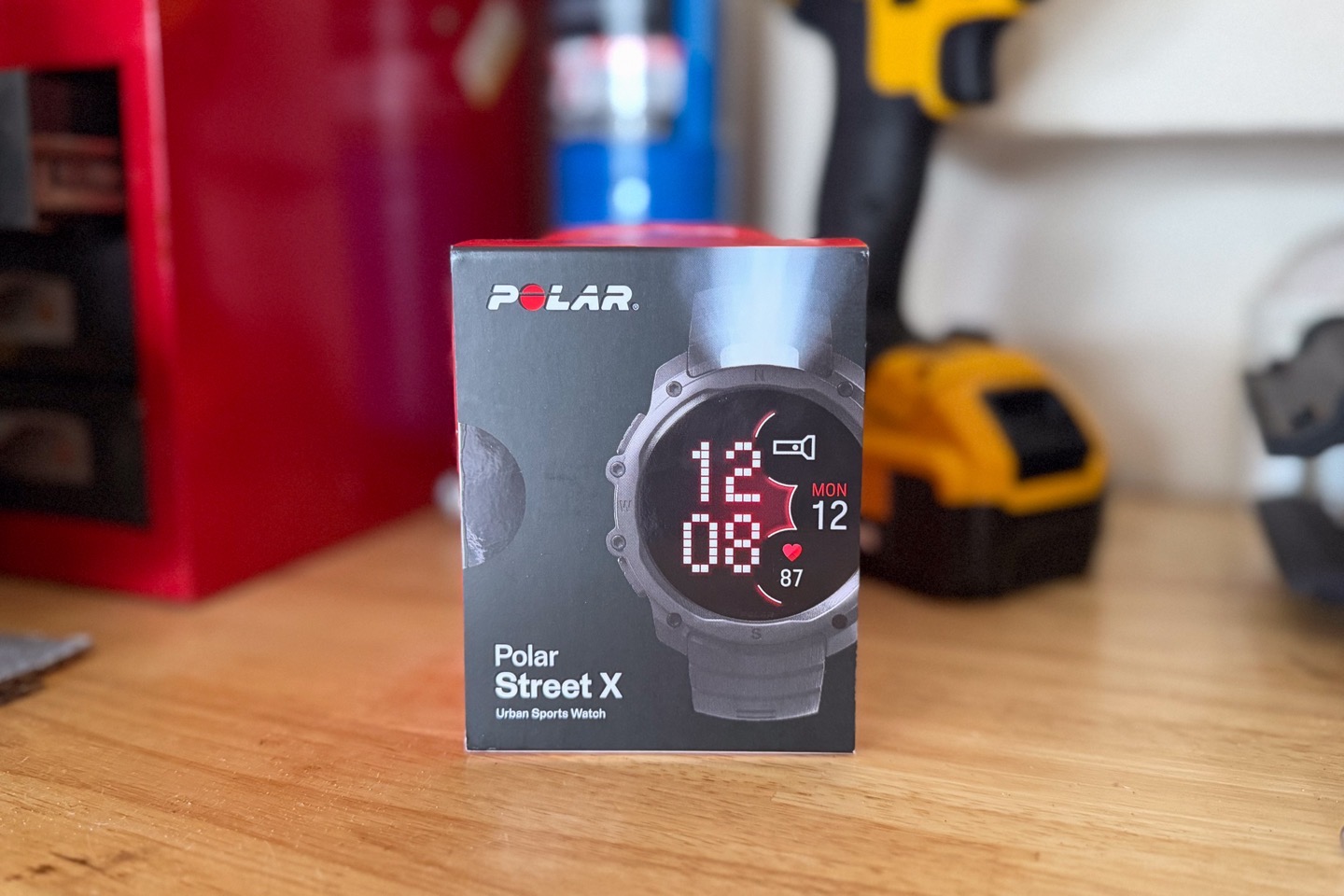
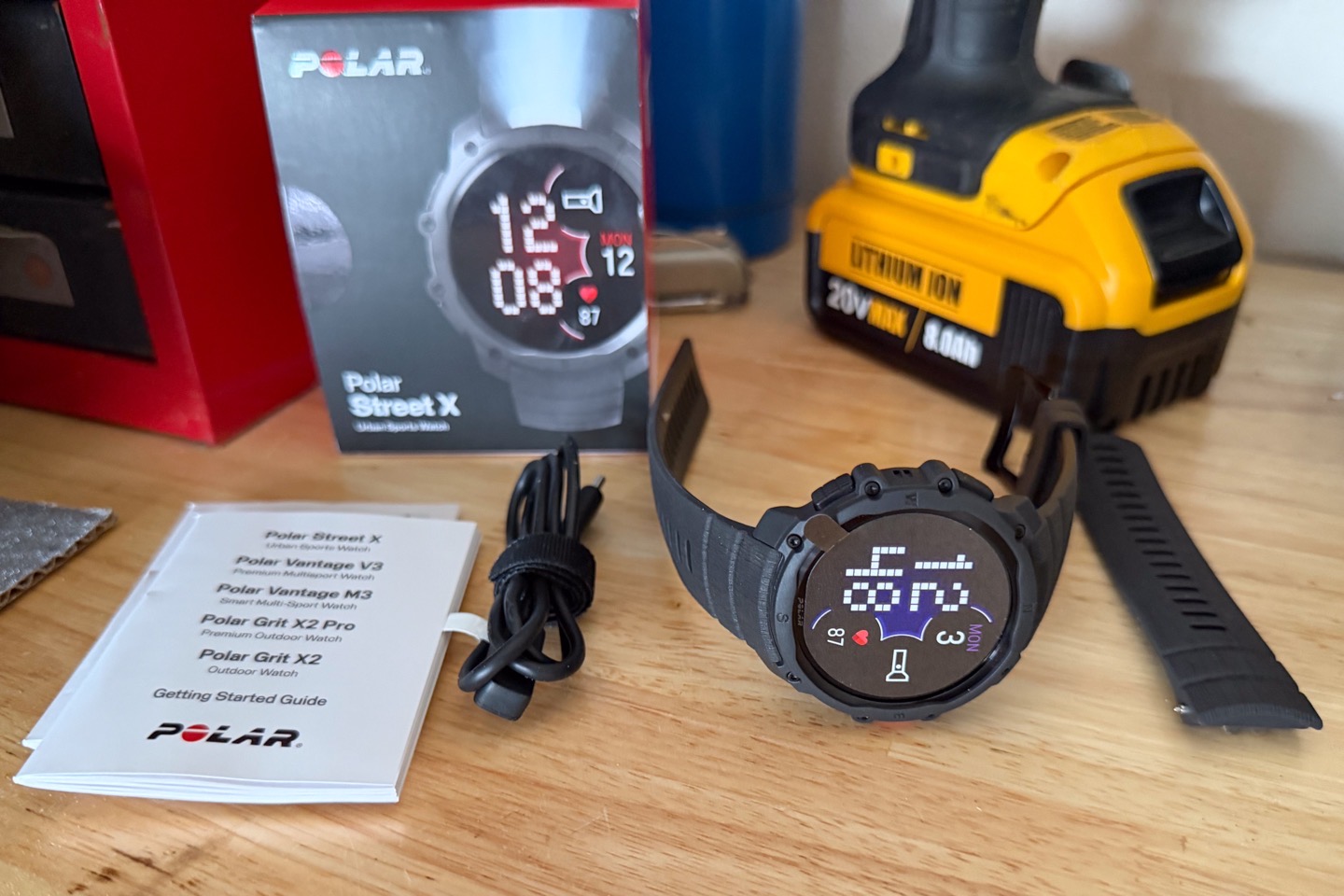
Inside the Street X box you’ll find the watch, some paper stuff, the USB-C charging cable, and an extra band length (comes with both a smaller and larger size):
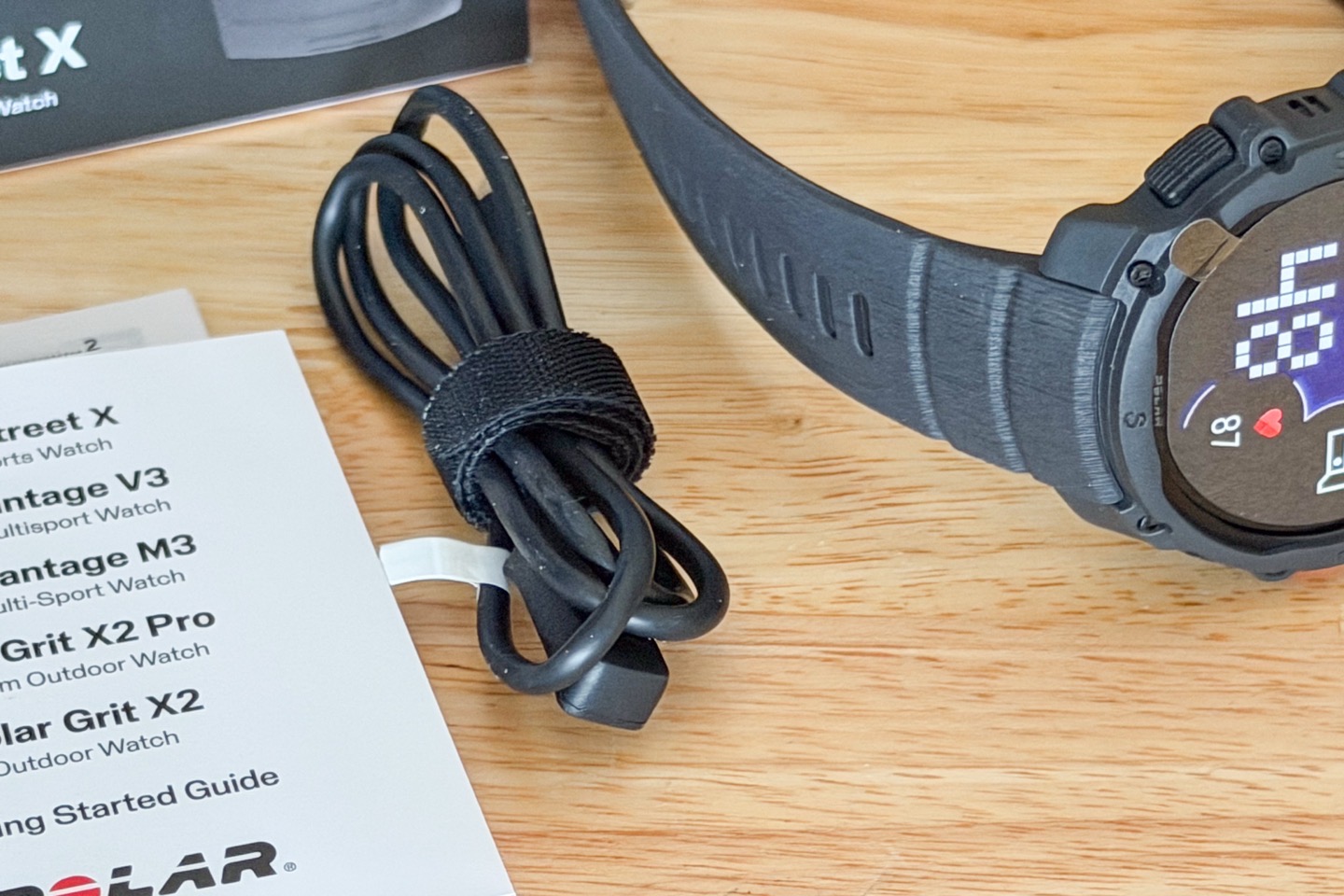
The charging cable matches that of all other recent (and semi-recent) Polar watches, with USB-C on one end and the magnetic charging clip on the other. Watches use these sorts of magnetic charging cables rather than direct USB-C ports on them, as ports like that tend to get clogged up with gunk (sweat/dirt/etc…) over time and it ends poorly.
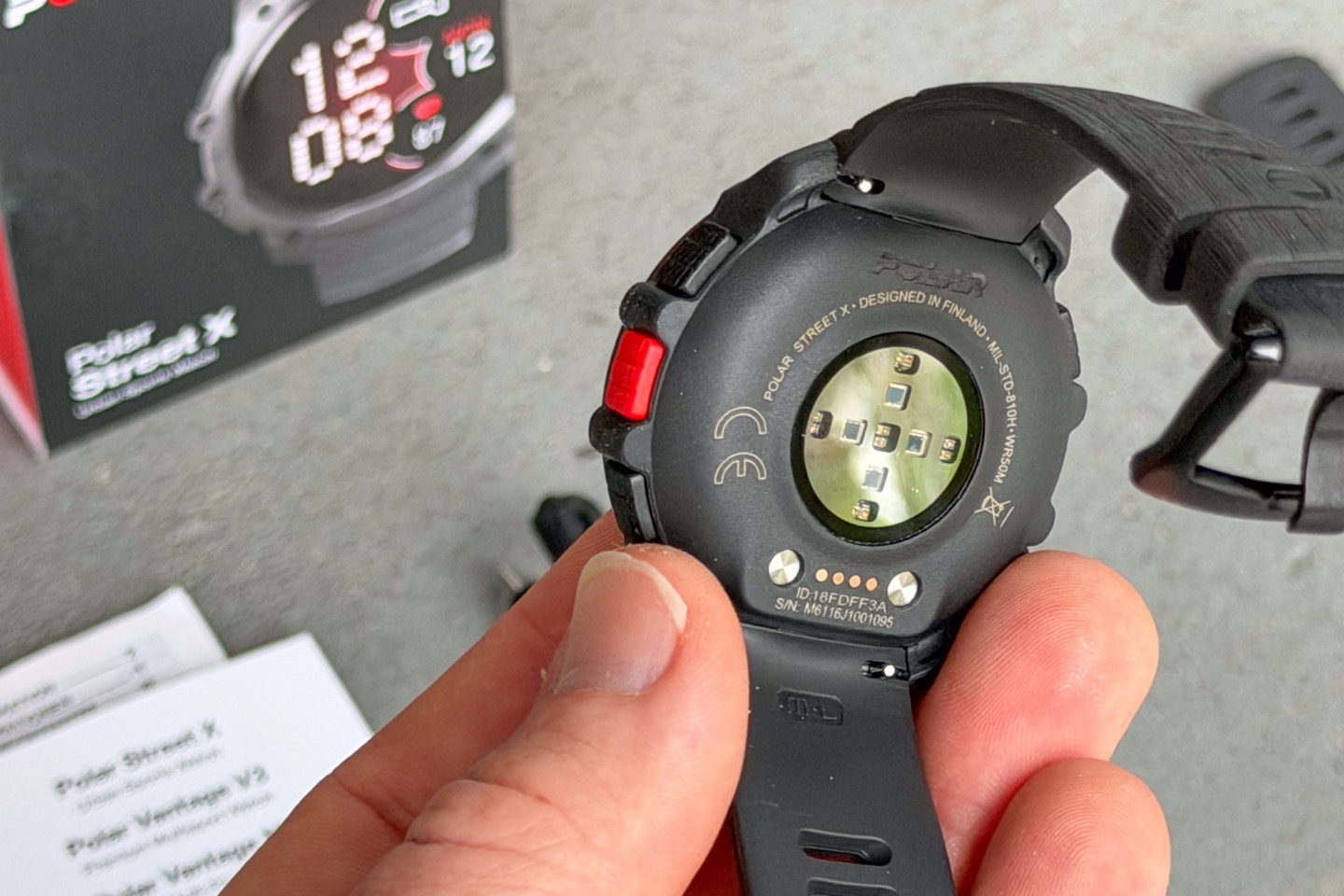
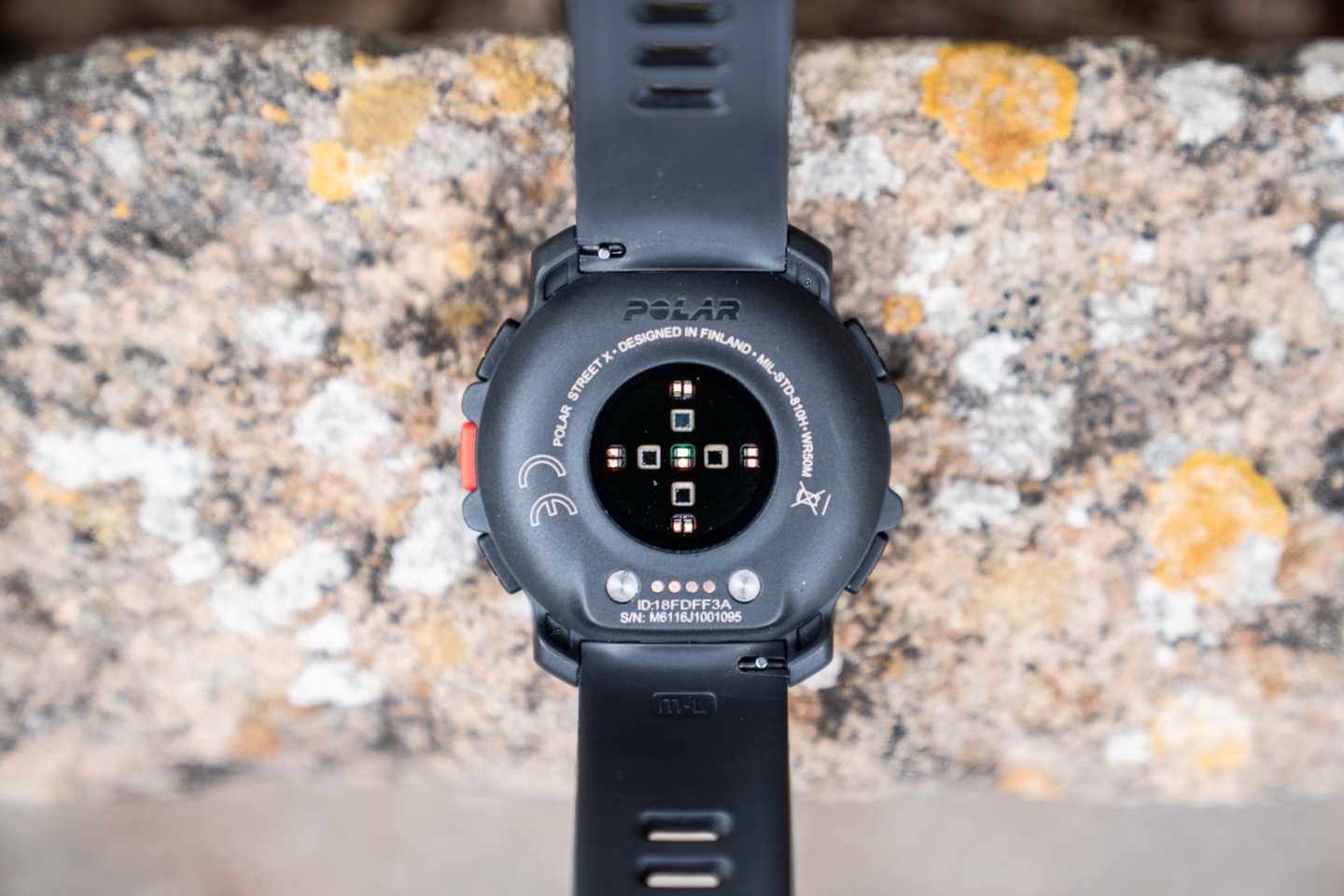
Here’s a closer look at the back of the watch, which shares the same charging connection point as noted, but also has one of Polar’s seemingly many different optical HR sensor varieties (a slightly older one).
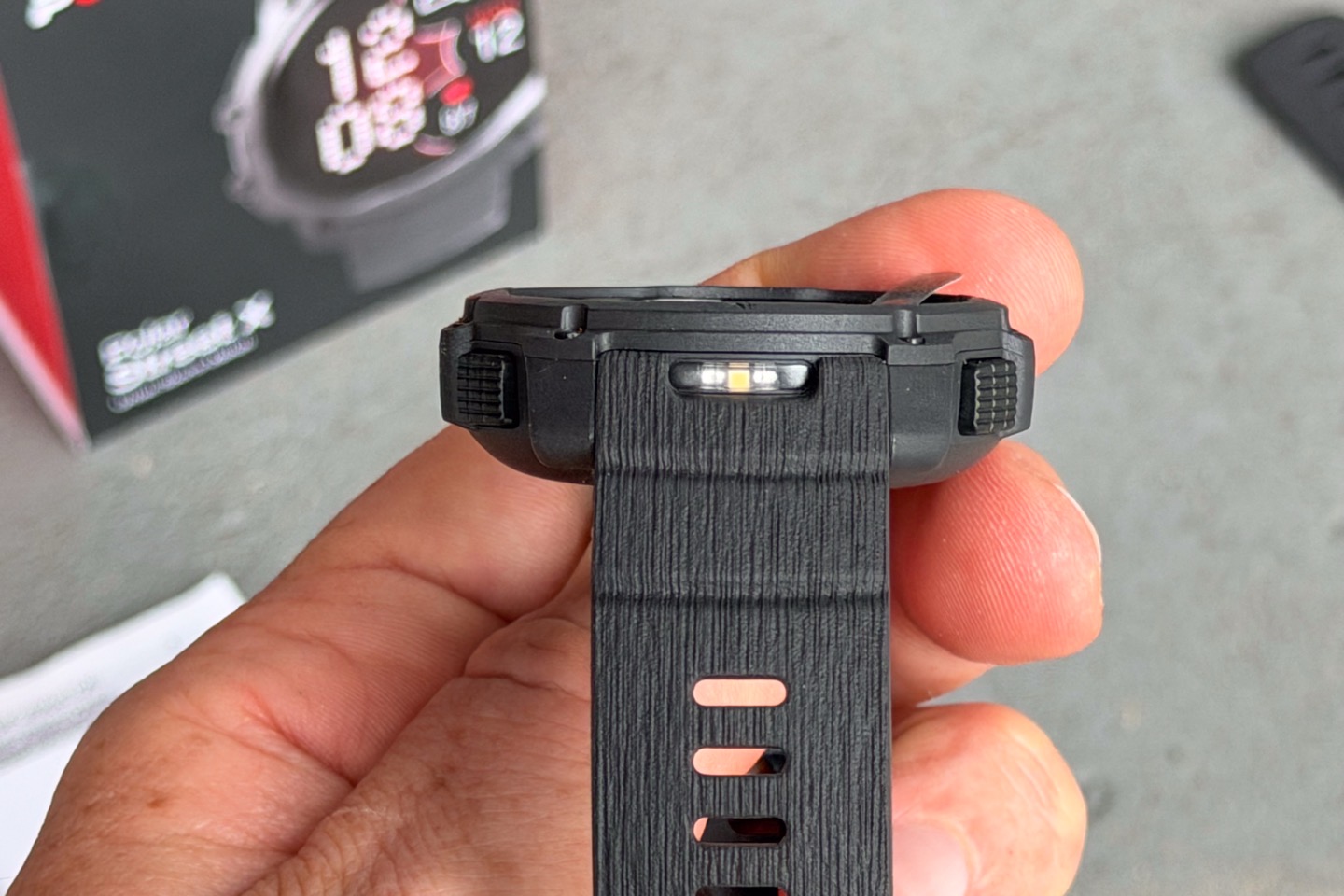
Meanwhile, closer up, you’ve got the new flashlight, as well as the faux-grain band design.
With that, let’s get into one of the biggest hardware aspects.
Style & Design:
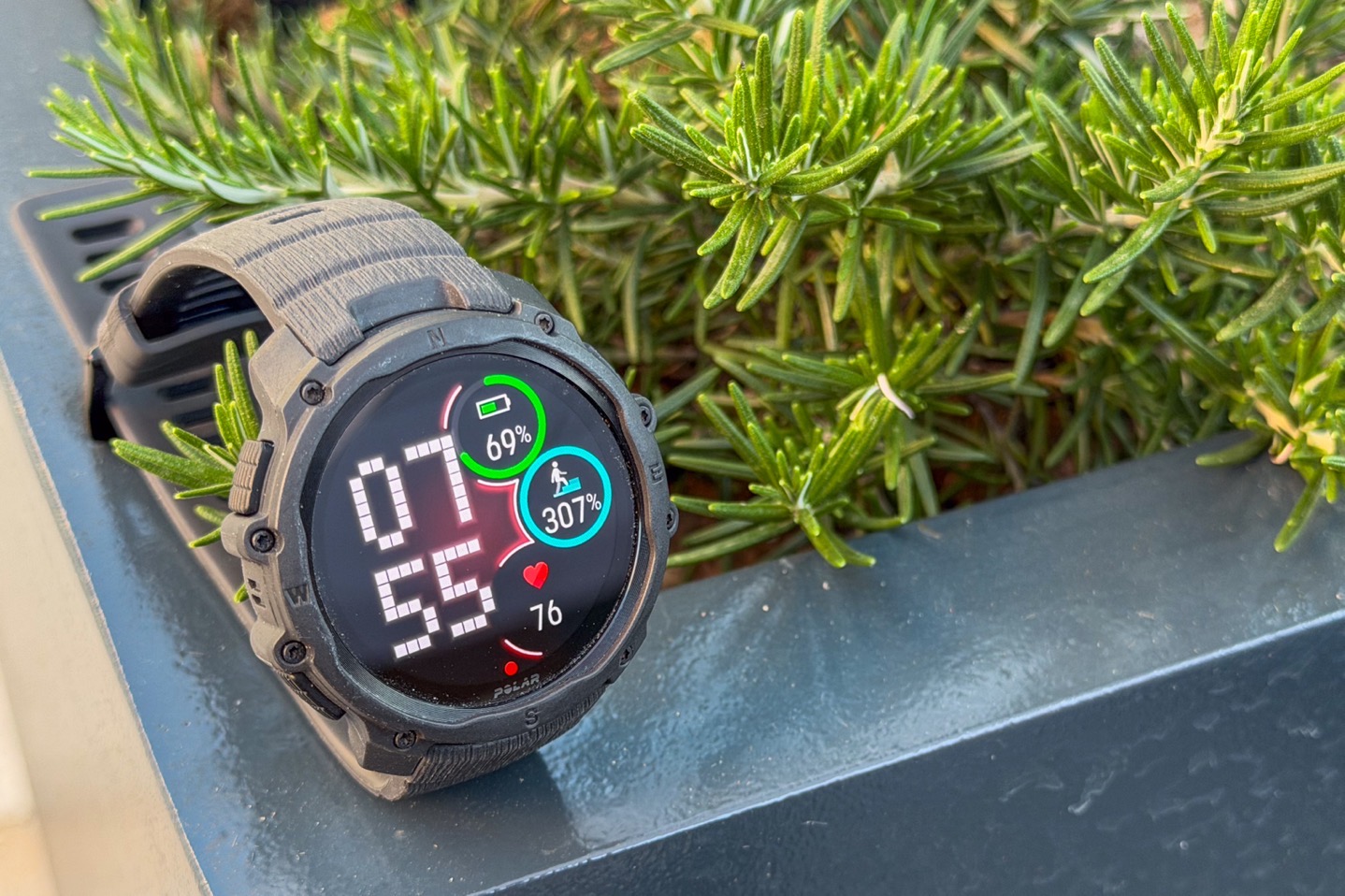
In terms of style/looks, obviously, that’s pretty personal. Each person likes something different, so I wouldn’t take my opinion too meaningfully here. If you like it, cool! That said, a few thoughts. First, this watch is obviously designed in the same visual lineage as something like a Casio or a Garmin Instinct. Some people like that, others don’t. However, I think to me, staying on this falls a bit flat in two specific areas.
First, the upper bezel, and in particular the simplest N/S/E/W markings just seem…unfinished. Or maybe too thin up top? I don’t know, it just seems off compared to the rest of the design. I don’t hate it, but I equally don’t love it.
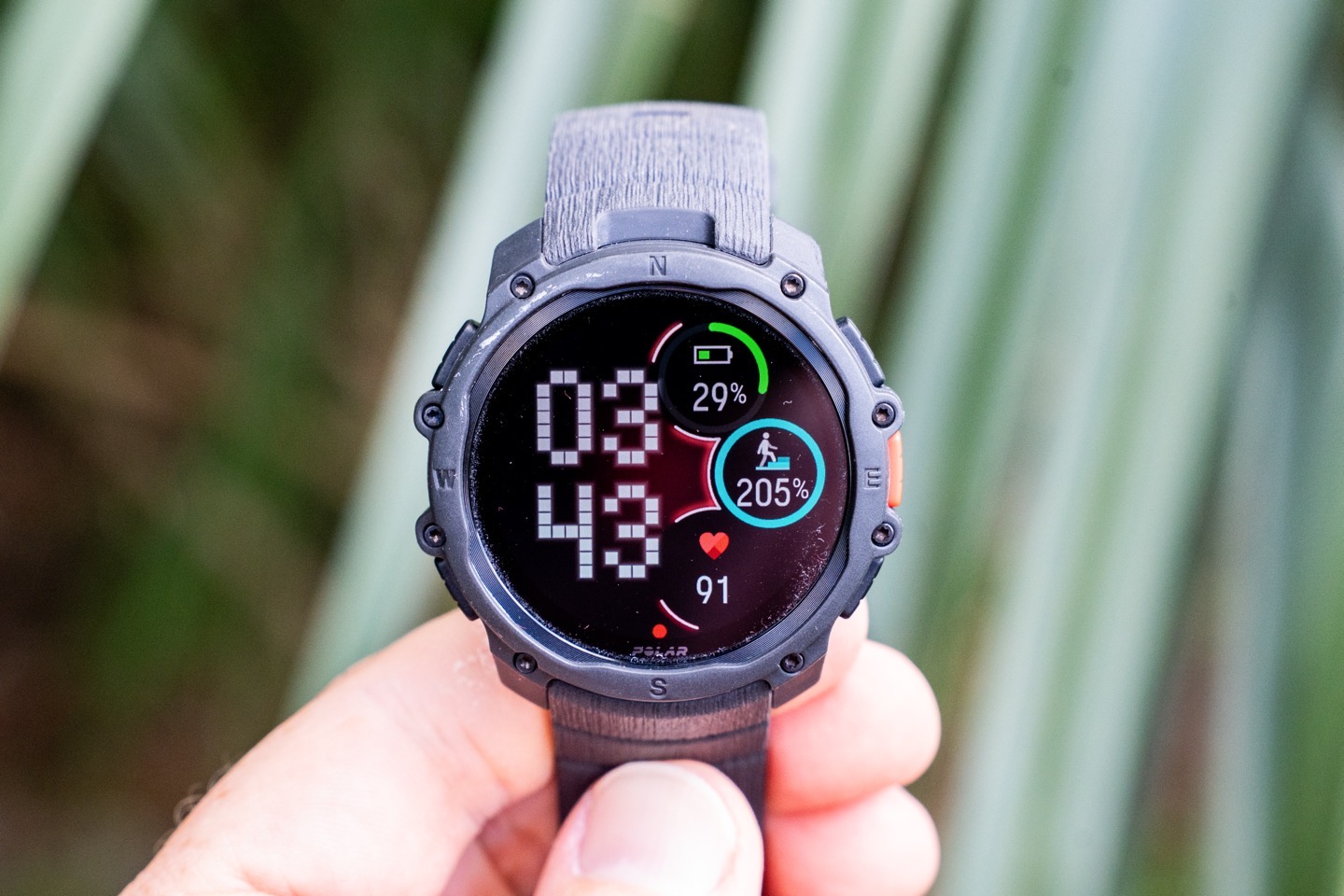
Compare that to the COROS Nomad, and that looks visually a lot more complete. Of course, as many have pointed out, it looks more complete because it’s basically duplicating the Garmin Fenix look (rather than the Garmin Instinct look), but hey, at least they stuck the landing.
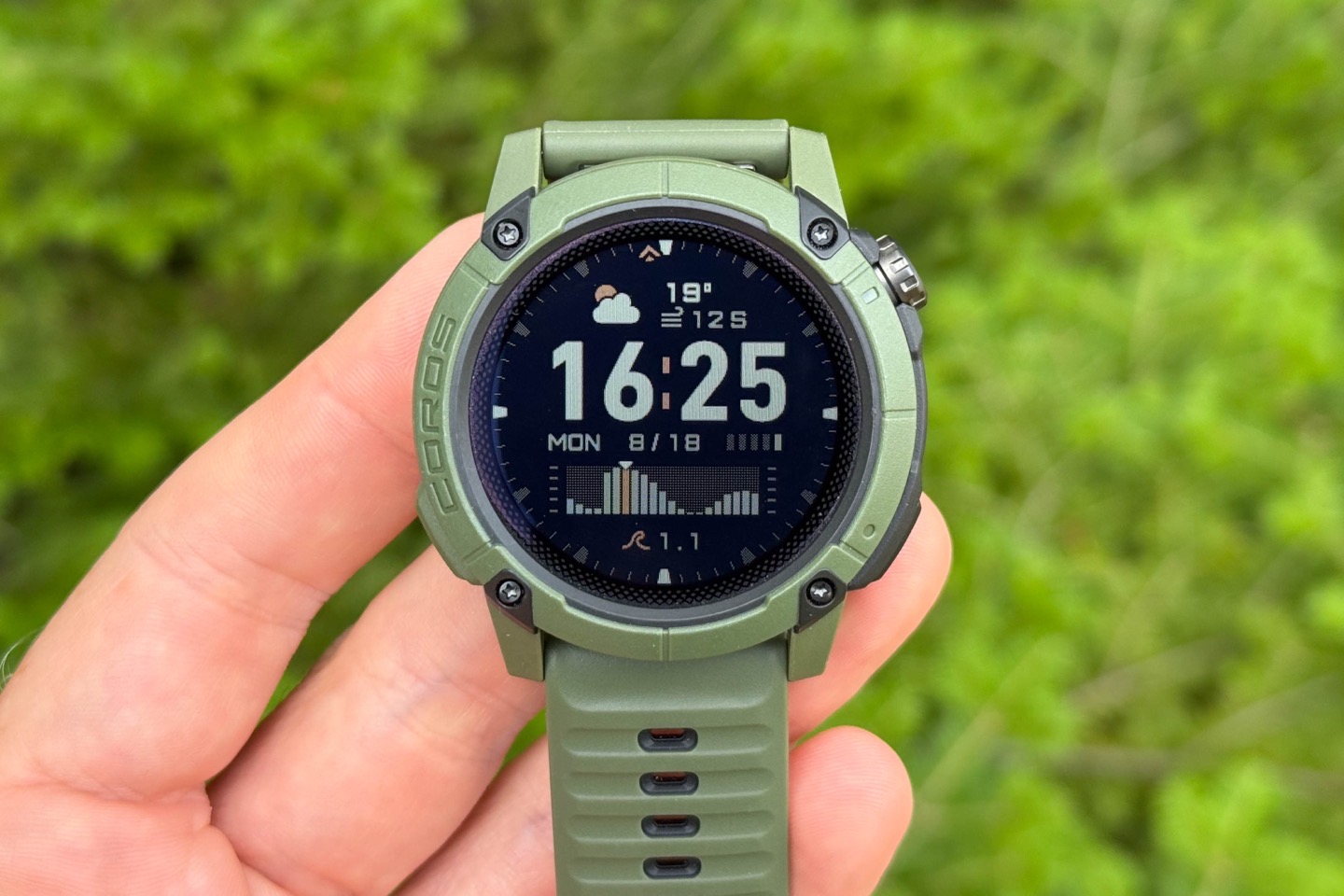
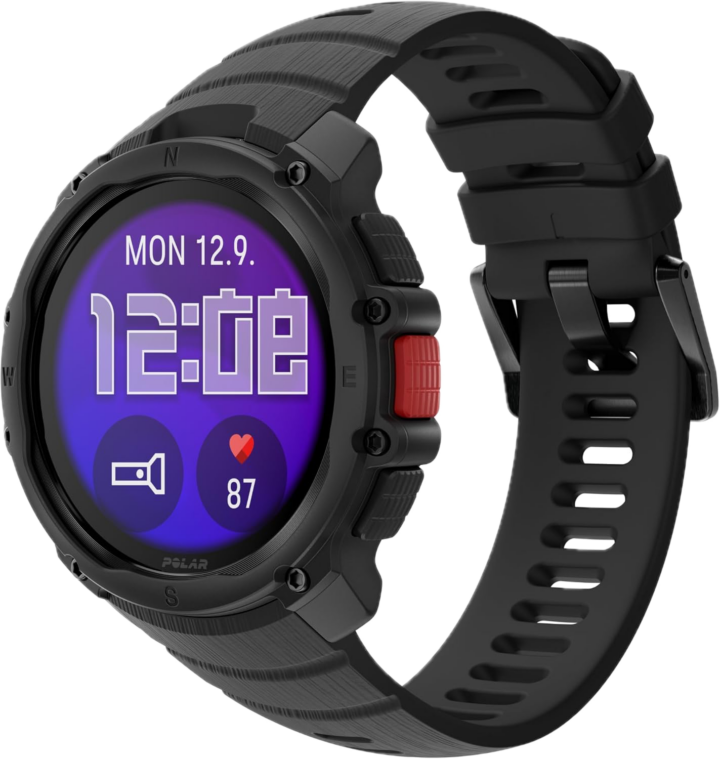
As far as the ‘cheapness’ feeling on the Polar Street X, I will say that it looks much better than most of Polar’s marketing renders, which frankly make it look chunky, overly plastic, and cumbersome. I was worried the buttons would look ugly in real life, but they aren’t bad to me. Additionally, I like the touch of the case screws on the top of the bezel to the main case, which helps the styling. Further, to Polar’s credit, it’s an incredibly lightweight watch, mostly because it’s a fairly small watch (more inline with a Garmin Instinct S-series unit than a larger Instinct).
Ultimately, though, as everyone else has noted, I simply don’t understand the positioning of this as an ‘Urban’ watch targeting city-going hipster Gen-Z’s, or some younger Millennials, or whatever. This is a weird common thread that Polar keeps going back to every few years, trying to market to this mythical ‘urban young hipster’ group. Be it this watch, the Polar Unite, or the Polar Ignite before it. All of which had product presentations clearly staying their desire to target hip inner city 20-somethings. Pro Tip: When 40-somethings say they’re trying to target hip 20-somethings on skateboards, they’ve almost certainly already failed. Instead, Polar should have taken a card from COROS here, and just called it what it is: An outdoor focused watch that has a different definitely-not-Casio-or-Instinct look.
The Basics:
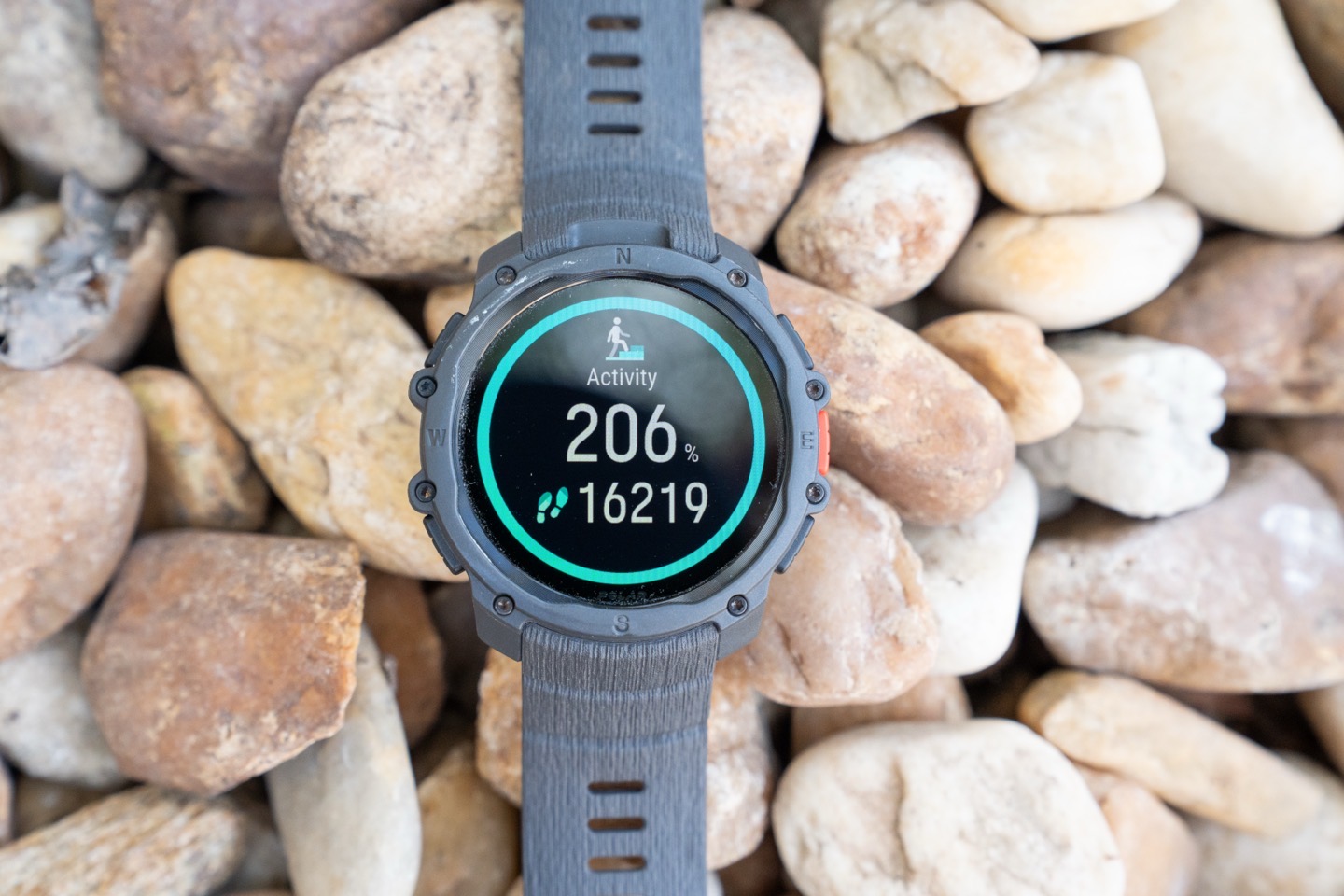
In this section, I’ll cover the basics and day-to-day usage of the Street X. Aspects like daily activity tracking, sleep tracking, some of the widgets/dashboards, music control, etc… If you’re familiar with existing recent Polar products, all of this is identical to those. Nothing is really much different here.
First up, the unit has five buttons for navigating menus (three on the right, two on the left), as well as the touchscreen. You can pretty much use either method, depending on your preferences. Certain actions (like getting to the training menu) require buttons, but most swiping and selection options can be done via touch or button.
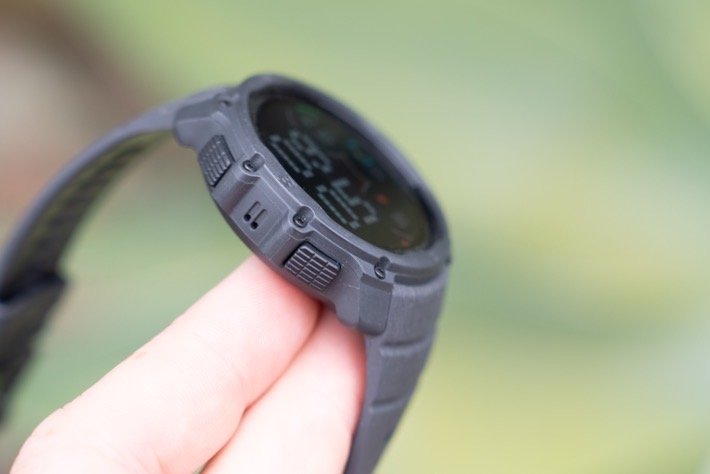
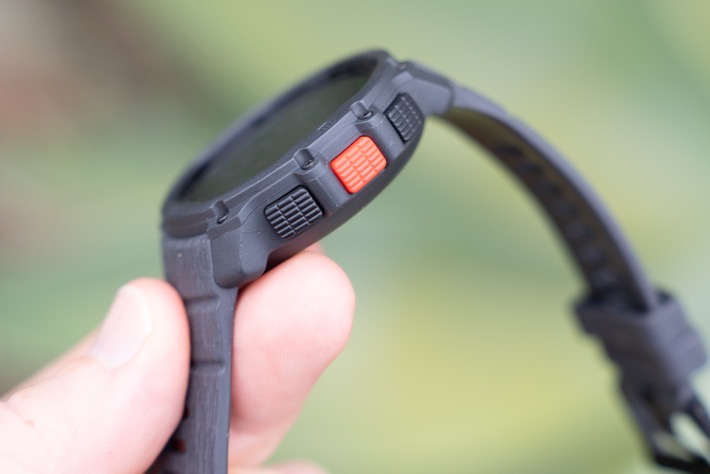
In terms of touchscreen usage, I’ve mostly had dry conditions, but haven’t had any issues with swiping with super-sweaty hands.
The main screen is of course, the watch face. You can select from a handful of different watch faces, and then customize exactly which items appear on that watch face. This is an area that Polar could really use some sort of watch face store or such. That said, some people (including myself) do tend to pretty much use stock watch faces all the time, so just depends on your preferences.
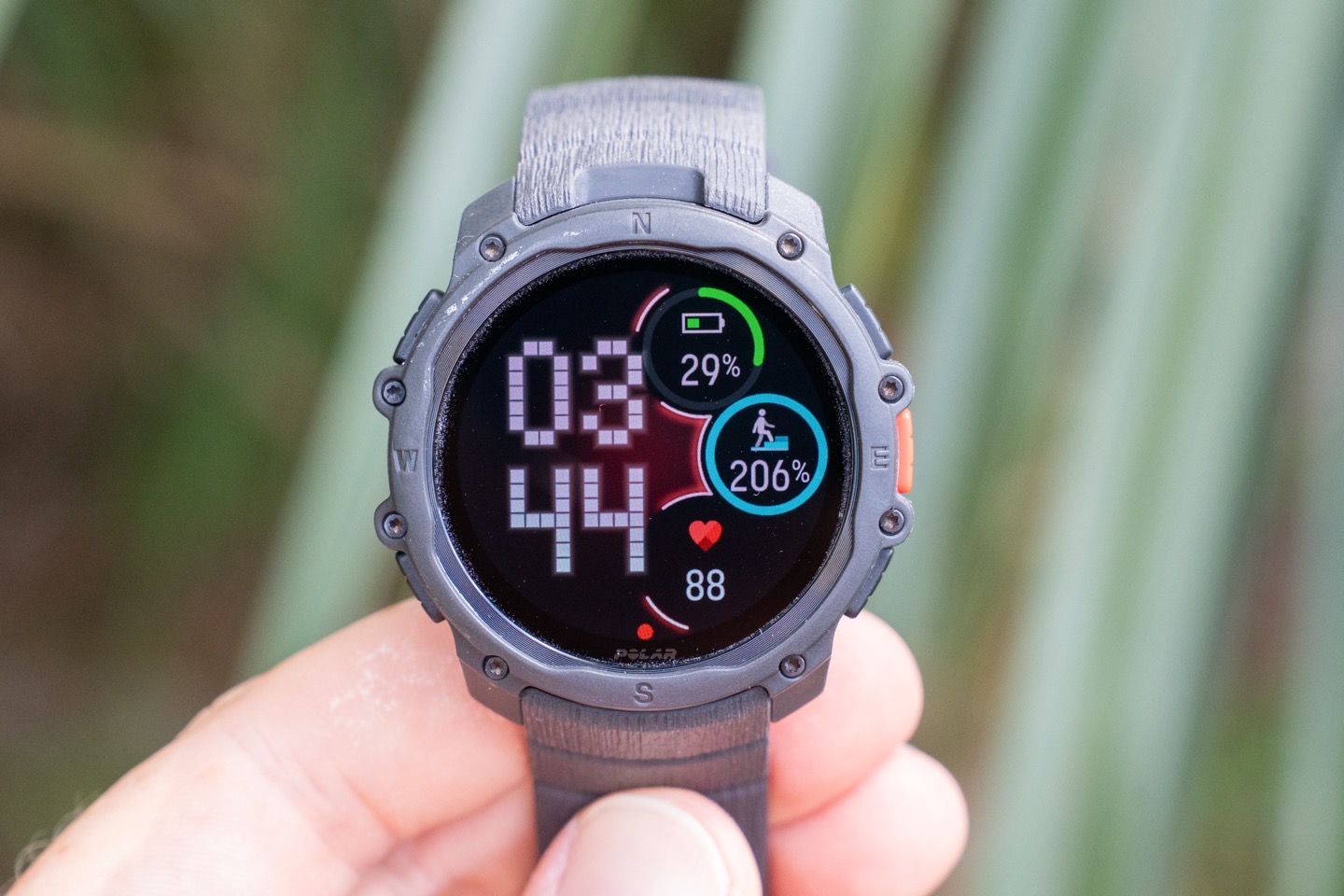
As an interesting aside, I kinda like the haze effect that appears on the numbers. At first I thought it was an issue, but over the last nearly month, I’ve decided it’s kinda creative.
Next, if you swipe from the top, you’ll get the menu for quick actions (which is lightly customizable). These can include do-not-disturb mode, alarms, timers, airplane mode, the flashlight, and Find My Phone.
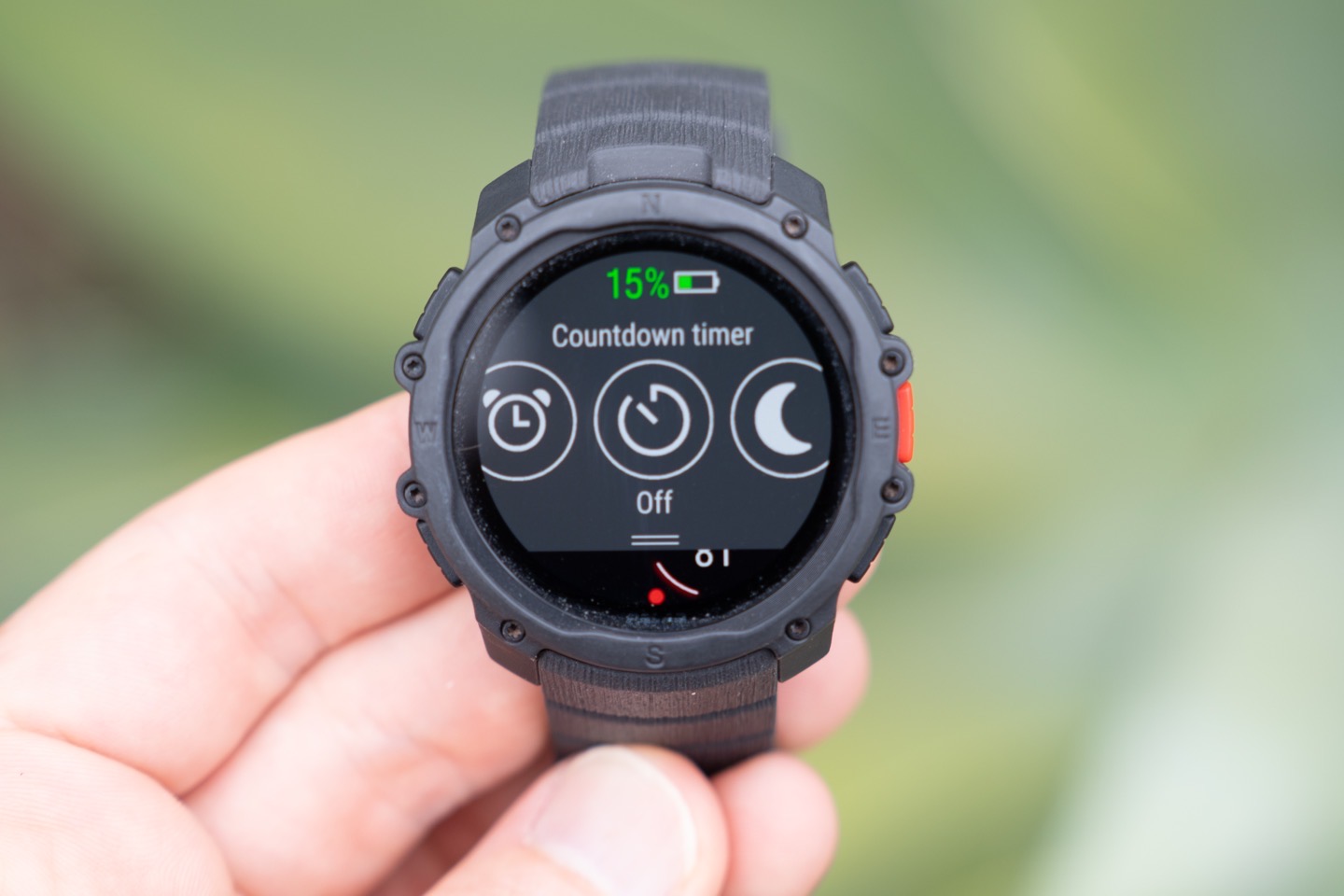
Whereas if you swipe from the bottom, you’ll see any notifications from your connected smartphone. You can open these notifications to see the full text, but you can’t see photos or respond to them from the watch.
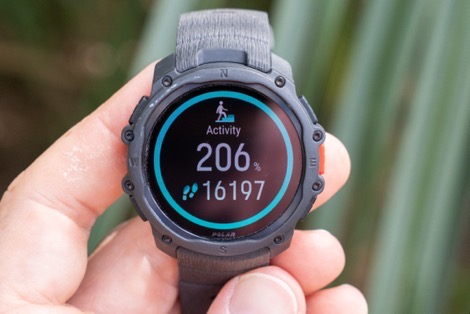
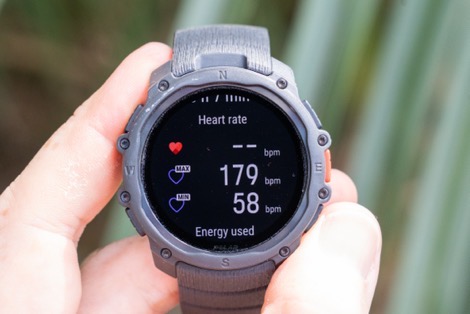
Meanwhile, back on the watch face, if you swipe to the left or right, you’ll iterate through your different dashboards (widgets). These are categorized into core areas (like activity or sleep), and then you can open each one to dig into it more deeply. For example, here’s the Daily Activity one, which covers steps, resting heart rate, and calories:
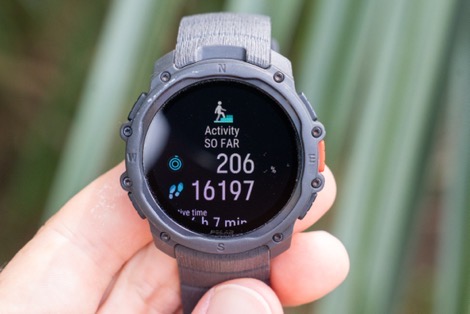
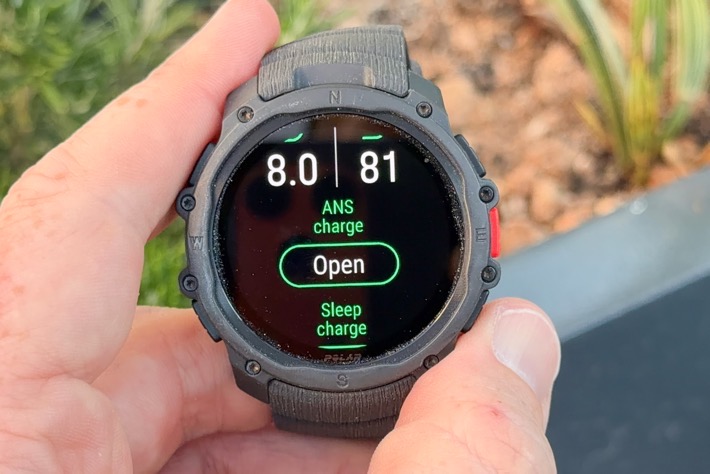
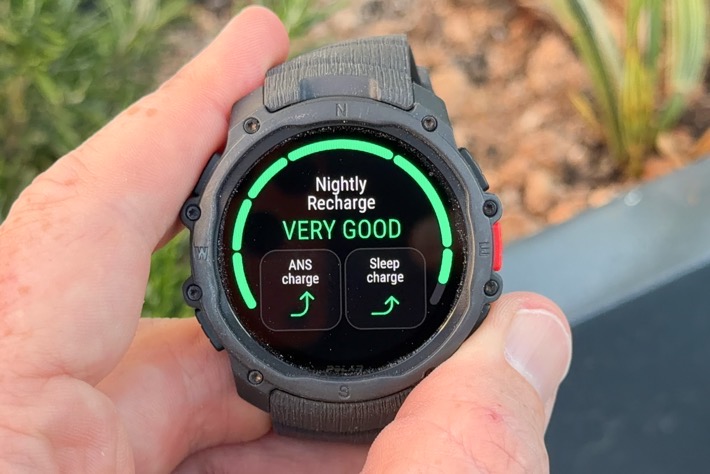
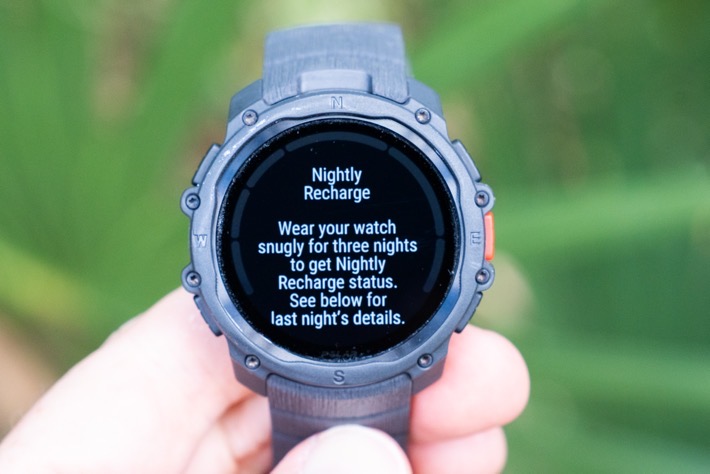
Whereas your sleep metrics are basically broken up into three different sections – Nightly Recharge, Boost from Sleep, and Nightly Skin Temperature. As I’ve noted for a long time, Polar really needs to clean up the sleep scene here. It’s just cumbersome. For example, the first one, Nightly Recharge, then shows two buttons below it for a slate of sleep metrics (of which three taps later, you can finally see your actual sleep details):
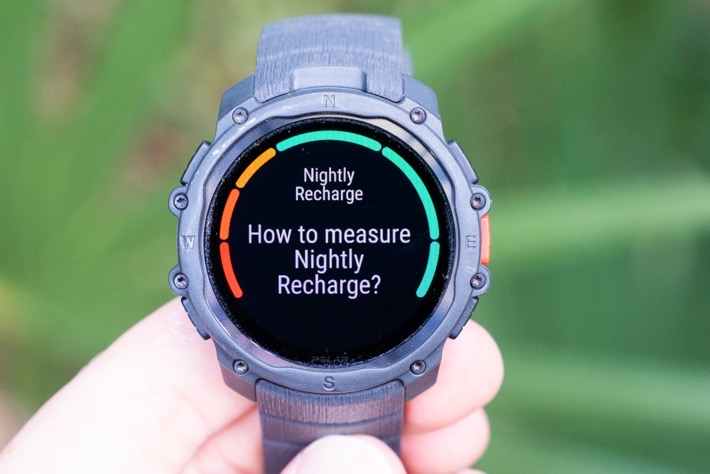
Top that, at random times, the Nightly Recharge simply doesn’t work. Like, throws a blank (it worked fine in the days before/after):
Then there’s Boost from Sleep. This duplicates much of the ‘how much did I sleep last night’ bits of Nightly Recharge, but then also adds a forecast of alertness/fatigue to your day (for example, below it’s showing that around 7PM I’ll be pretty alert.
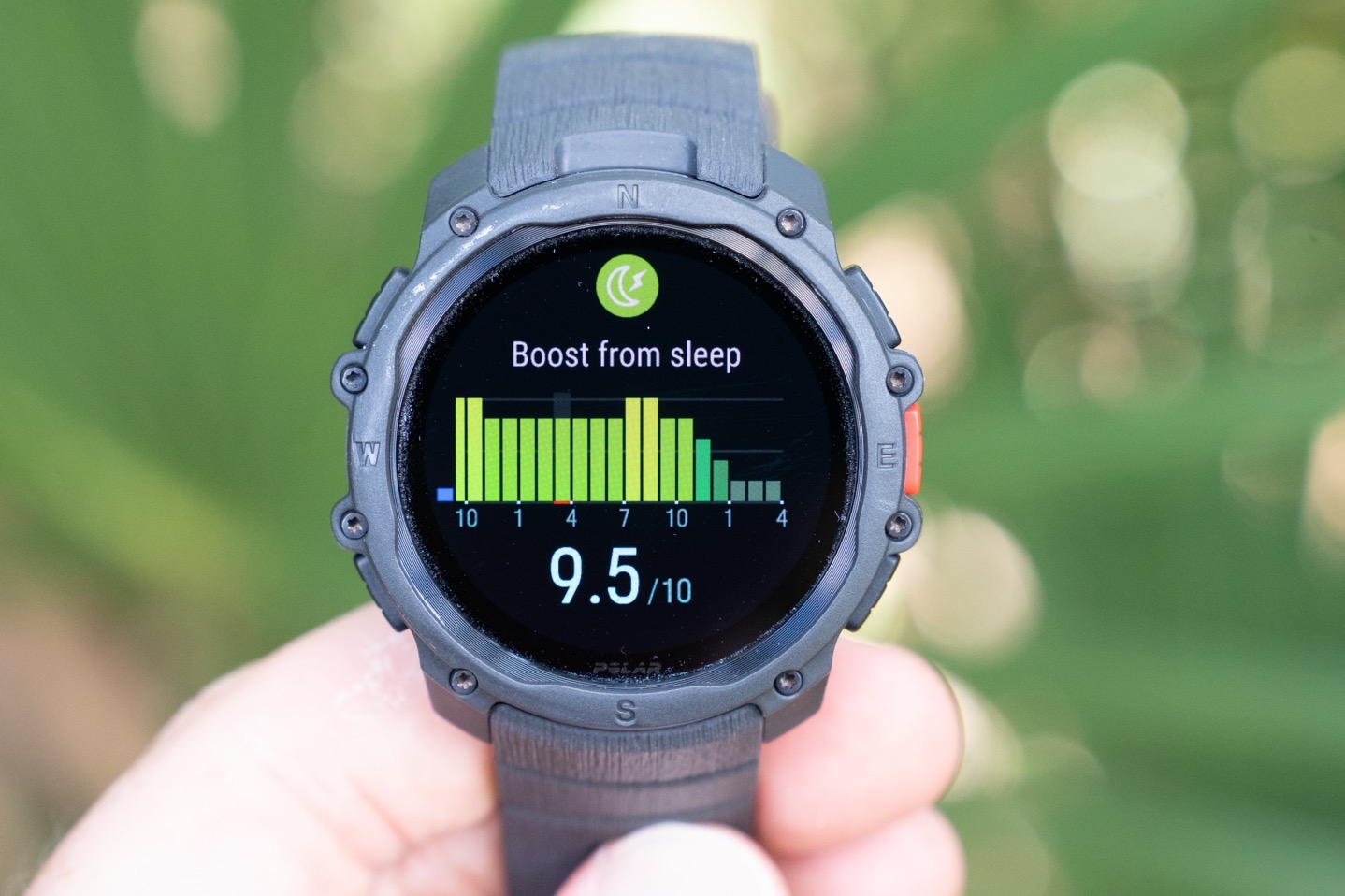
I actually like this when it works, though, I find that it really struggles in the days following a low sleep event. I’ve bounced back and forth across the pond a few times over the last few weeks, and I find the ‘Boost’ feature falls apart for days following a redeye flight. While some of that seems intuitive, it’s like the feature gives up entirely, despite how much sleep I get in those days.
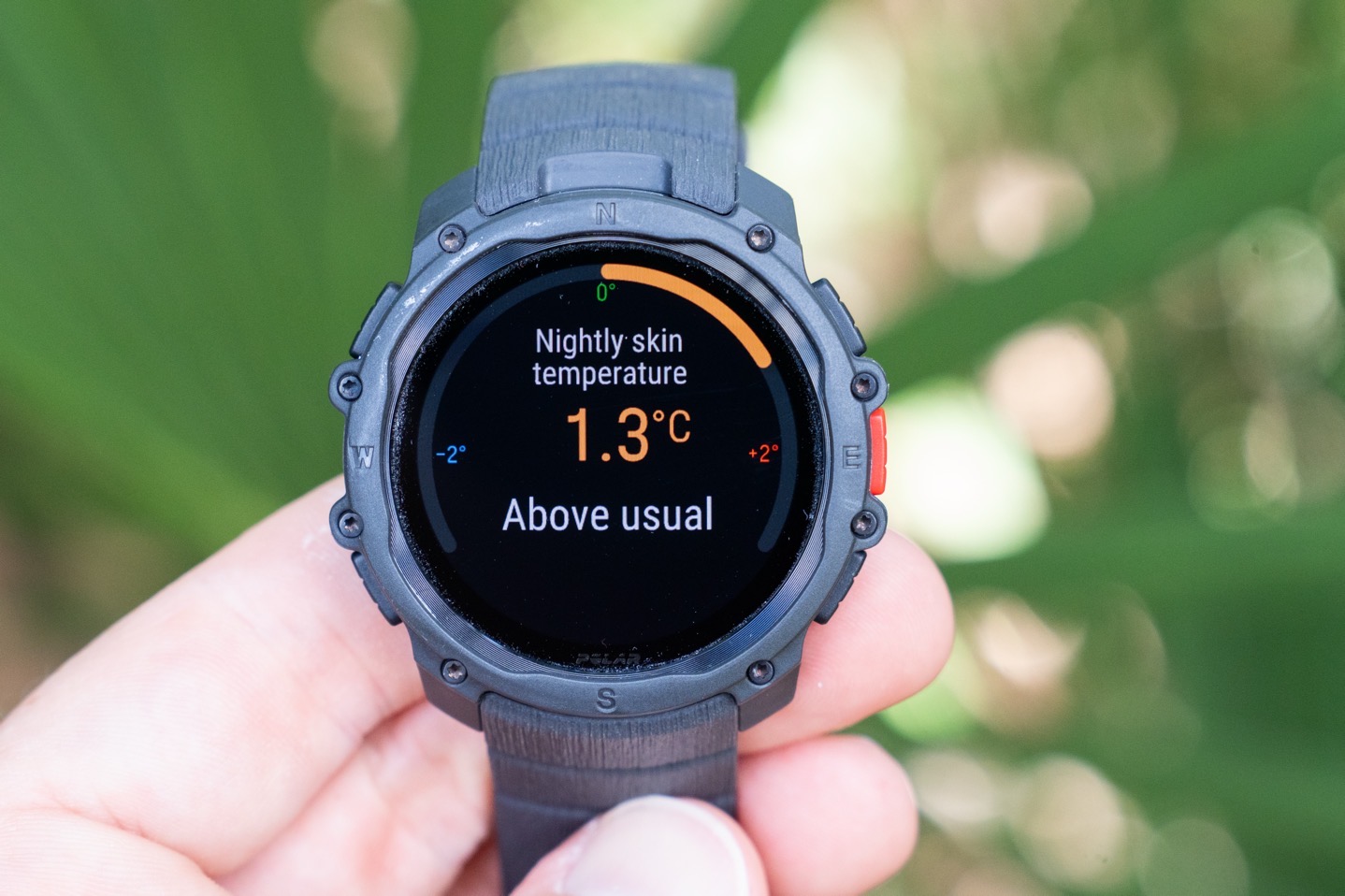
Lastly, there’s Nightly Skin Temperature. The theory with this is that it can be used to track other scenarios, primarily in ovulation tracking for women. But in practice, Polar’s never done any of that (compared to Whoop, Oura, and, to a lesser extent, Garmin), so ultimately this is mostly just a useless metric that shows you how hot your room was last night compared to previous nights.
Note that all of this stuff syncs semi-constantly to the Polar Flow app on your smartphone, where you can see the details in more depth. Polar has started revamping this app a bit over the last 3-6 months, though it honestly feels like it still has a long way to go to being competitive. To me, it feels the most dated of any of the main endurance players (Garmin, Suunto, COROS, Amazfit), and likewise dated when compared to the more mainstream smartwatch players (Apple, Google/Fitbit, Samsung).
While I noted last fall that I looked the overall styling Polar was shooting for (in early press images), once I started using it, I realized how surface-level the changes were. And more so, I realized just how much empty space there was.
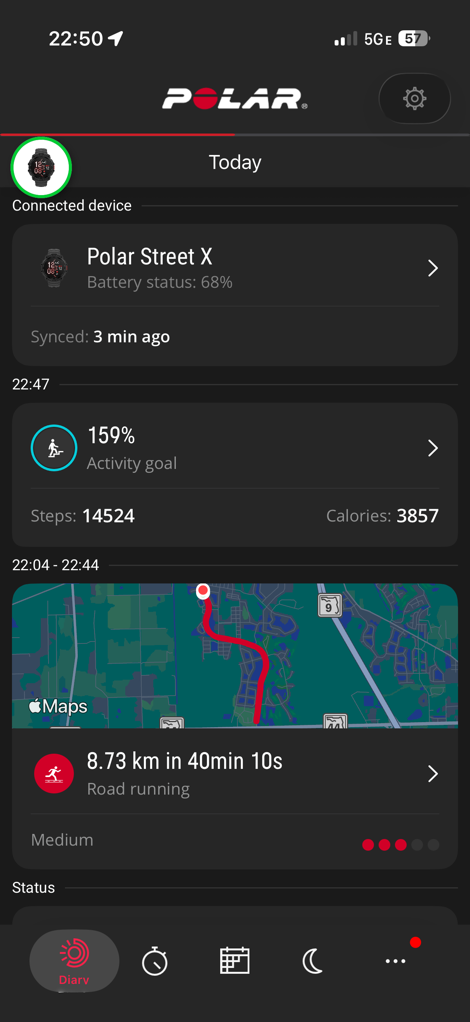
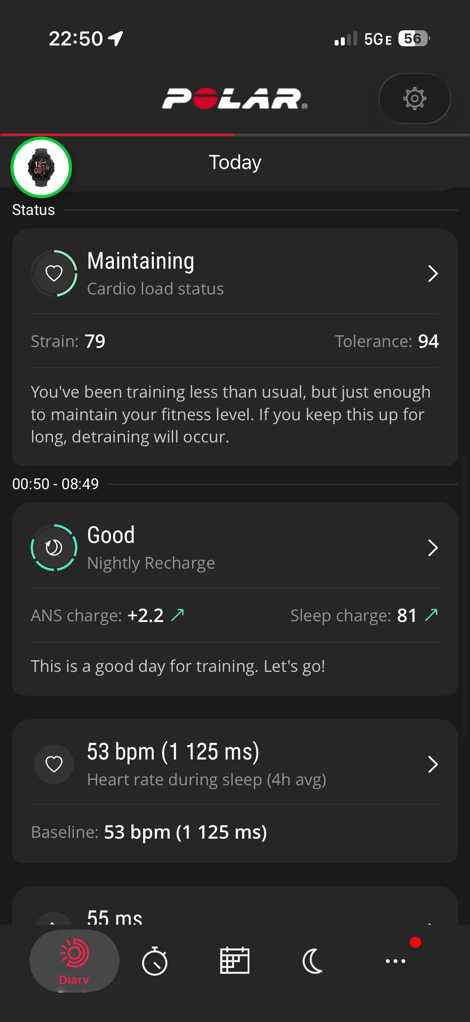
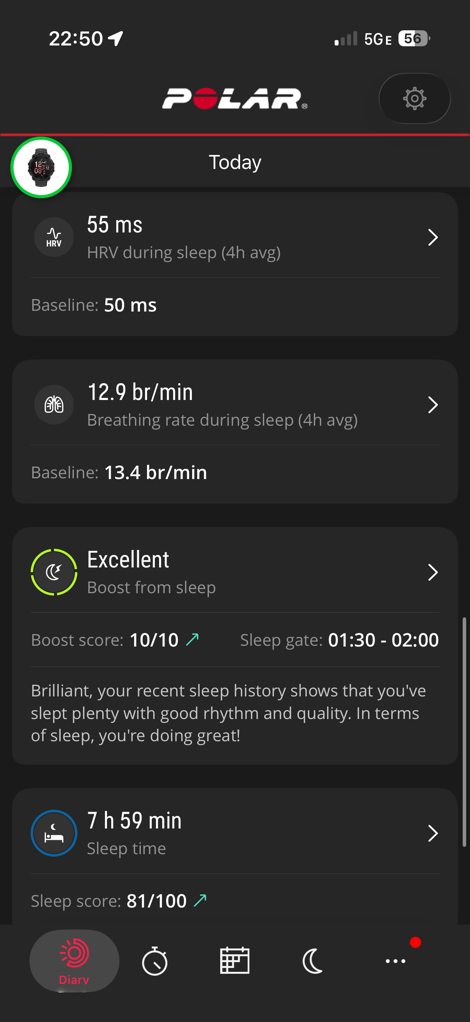
Here, the dashboard is basically arranged like a chronological social media timeline. I think that can be interesting for some, but just seems like a lot of wasted space. To me it just feels like a lot of going back and forth to see core trends/stats, versus having those bubbled up to the main dashboard. Of course, as Garmin learned a year or so ago, no matter how you revamp the UI, some portion of the population will hate it, and some will love it. You’ll never please everyone, instead, the key is pleasing most people.
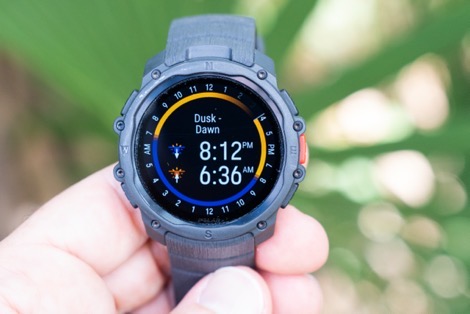
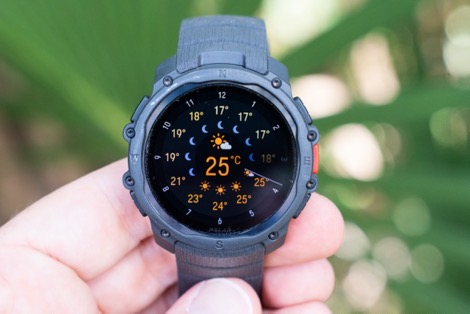
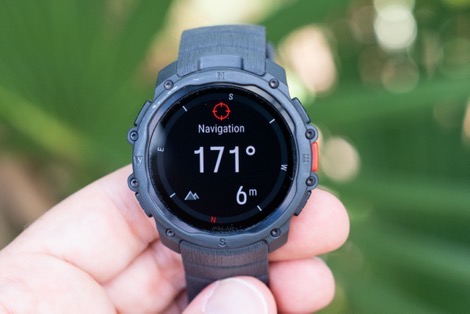
In any case, as for other widgets, there’s some ones around Cardio Load and Workout Recommendations that I’ll cover in the next section, followed by a compass, Sunset/Sunrise times, the weather, and music control.
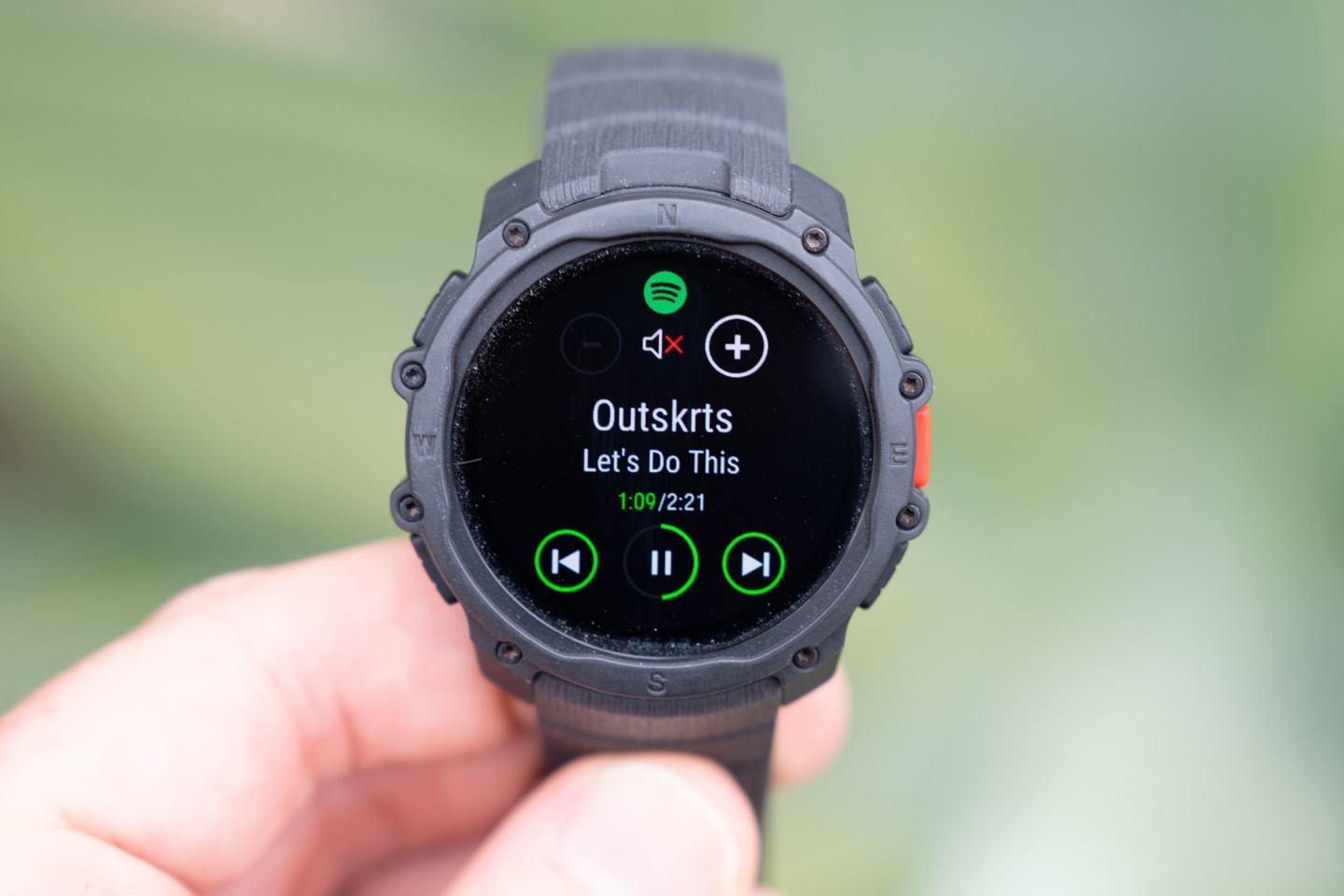
As for music control, there’s no offline music on this device itself; instead, it merely controls the media on your phone. That could be Spotify, or YouTube, or whatever your phone is playing.
Next, when it comes to battery life, you’re looking at about real-world 3-4 days in smartwatch mode with the always-on display enabled. This thing burns battery like nobody’s business with that display mode enabled, whereas with the more default ‘gesture-based’ setting (so the screen is off unless you raise your wrist), it’s longer. But that’s not the setting I tend to use.
Finally, for lack of putting it anywhere else, note that there are no contactless/NFC payments in any Polar watches. While Polar does sell an accessory band that works with Curve, that band doesn’t link/connect to the Polar watch in any electronic way, it’s simply a band.
The Flashlight:
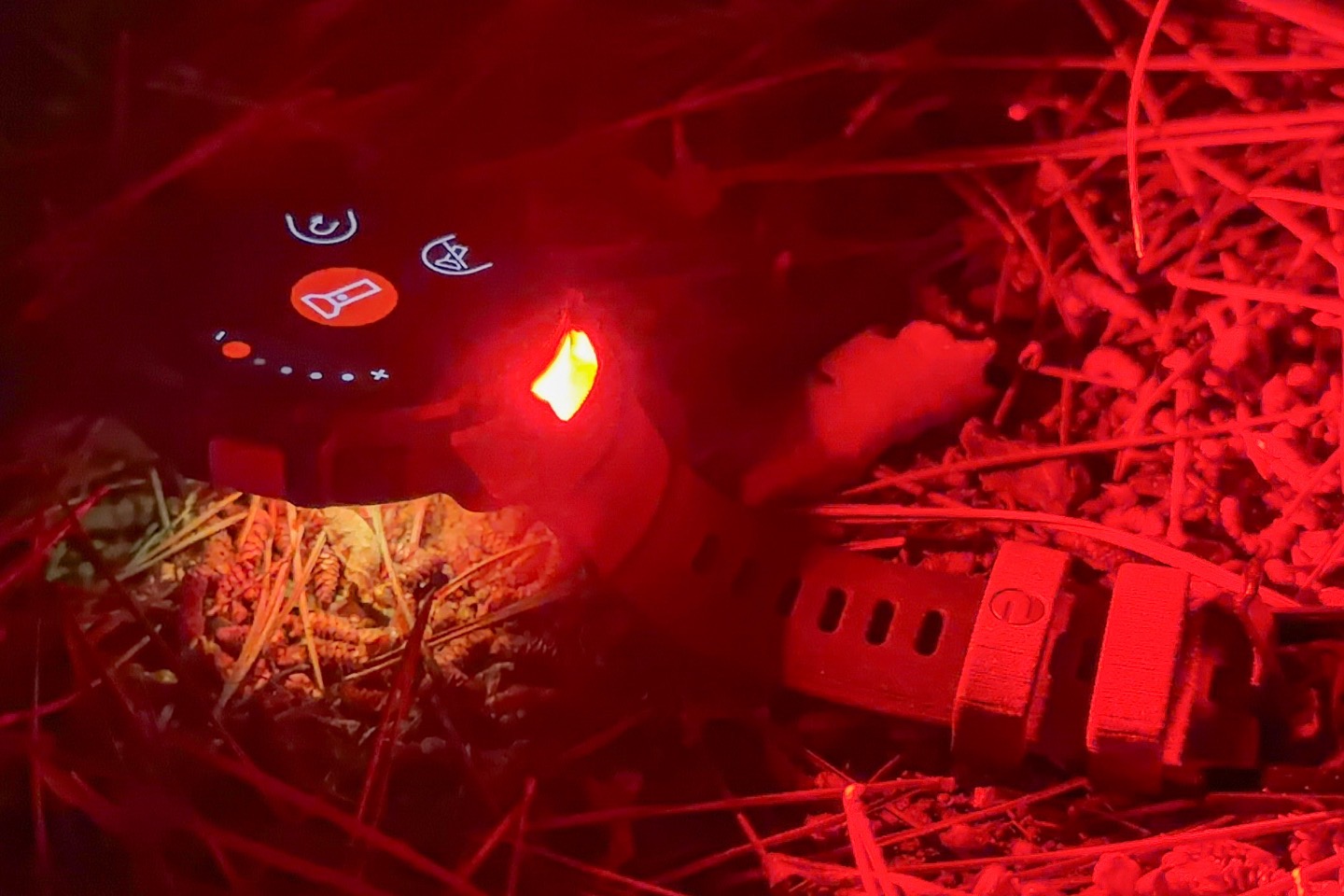
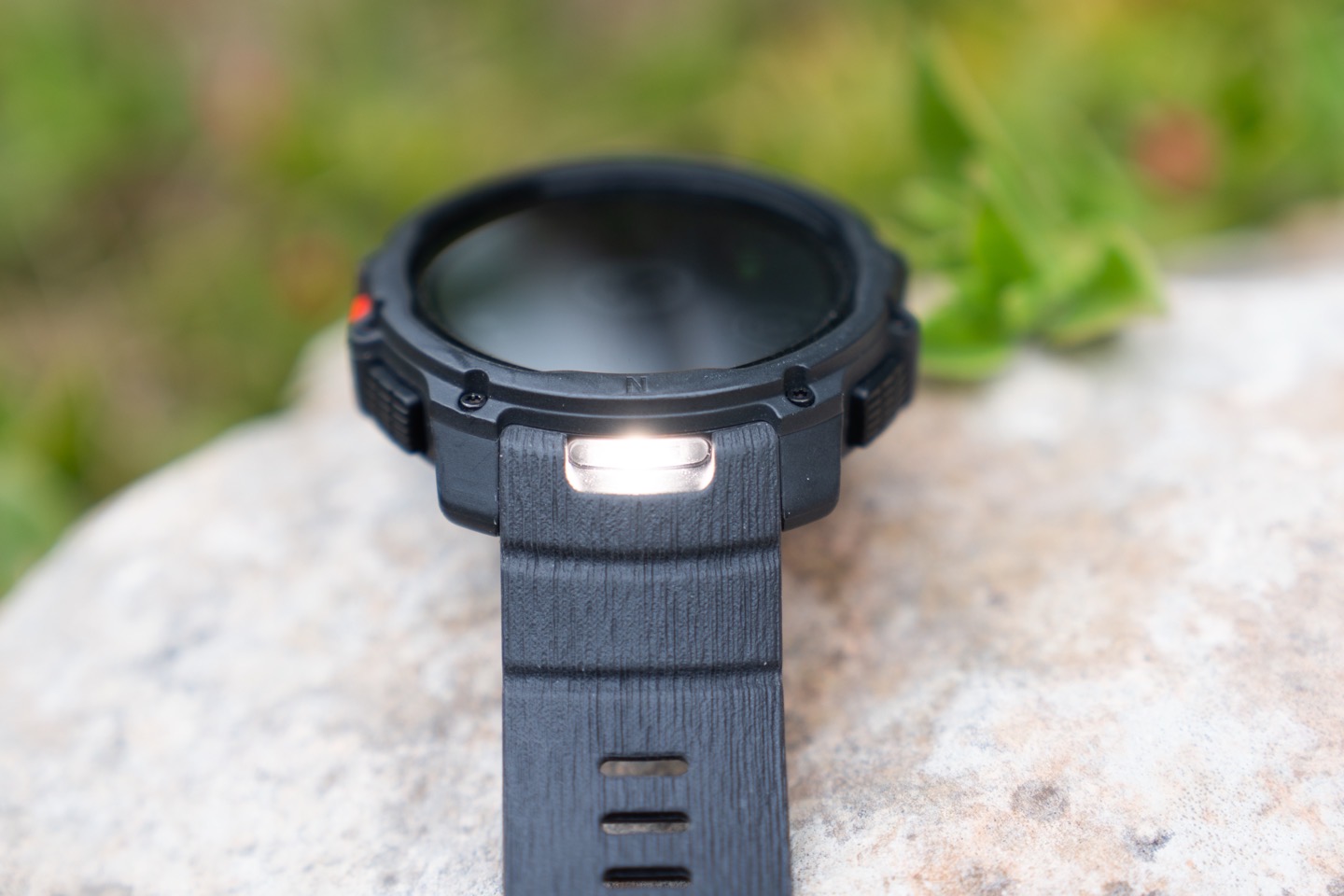
This is Polar’s first watch with an LED flashlight integrated into it. Like others, Polar has used both a white and red LED on the front. Also like others, the white LED has four brightness levels, while the red LED has one brightness level. Though the flashlight on this unit is definitely dimmer than most of the others I’ve tried (including Garmin, Amazfit, and Suunto). But it’s still totally functional for most scenarios.
Speaking of which, if flashlights on watches are new to you, you’ll be pleasantly surprised. Sure, you might think it’s there for some crazy outdoor adventure in the woods, but in reality, most of the time you’ll use the flashlight to get around a new hotel room at night, find the TV remote under a couch, or changing a diaper at 3AM. Sure, all things your phone’s flashlight could be used for, but as you’ll quickly learn, having it immediately on your wrist is awesome – especially at night, or if you need your hands free. It’s become my must-have feature on watches since Garmin introduced it a few years ago.
When it comes to operating the flashlight, it’s semi-similar to others, but with a few quirks. To activate the flashlight, you’ll simply hit the upper button once during the day. It’ll show you this menu, which lets you change the color and brightness levels on the right side:
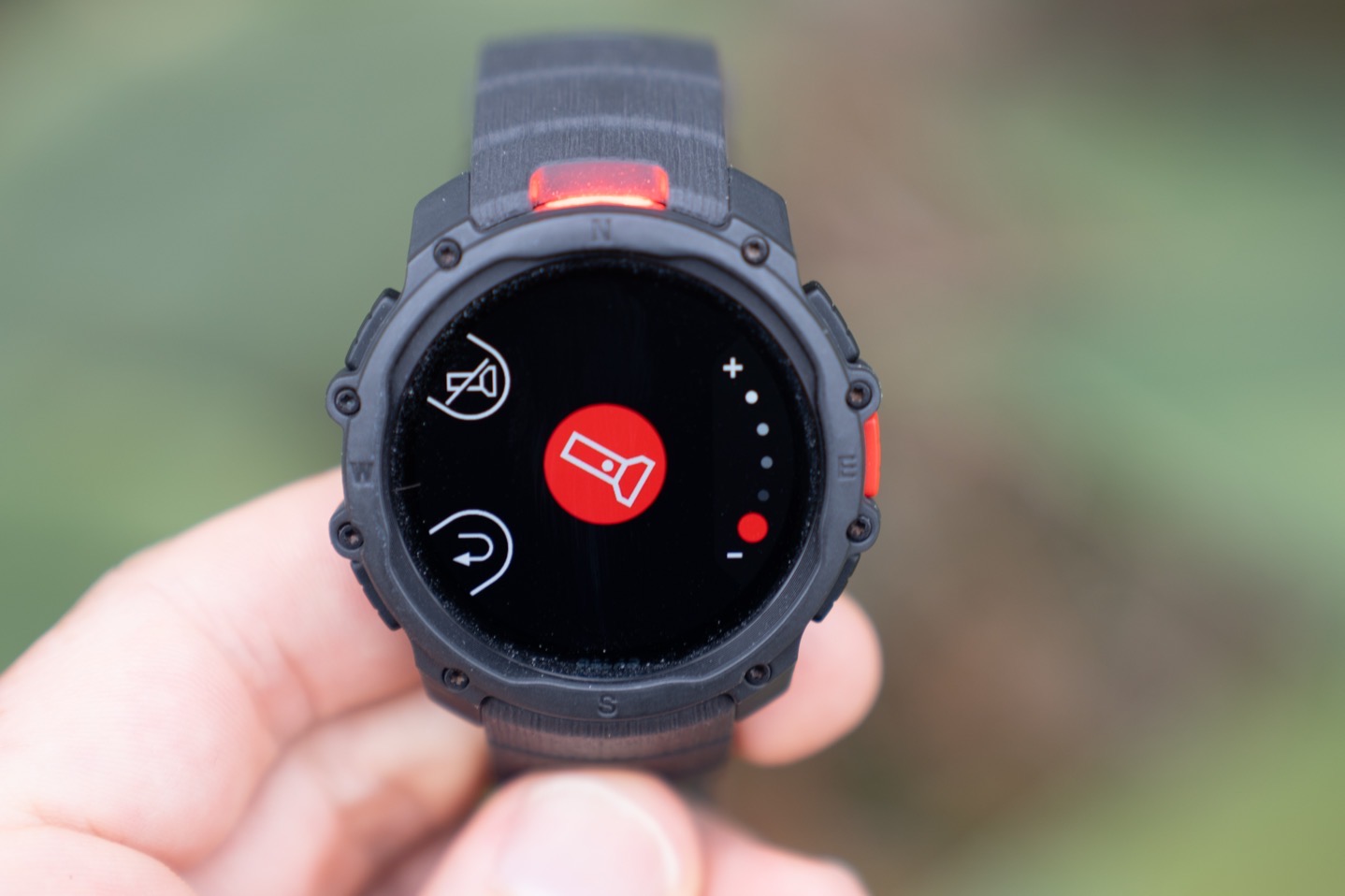
All that is pretty straightforward. The flashlight stays on as well. There is no flashing modes or such, though, like Garmin/Amazfit, nor any options to automatically enable after sunset on running modes/SOS/etc like the others. But hey, those can come later via firmware updates.
However, the quirkiest part of the flashlight is how you enable it varies based on the time of day. During the daytime (specifically, when your watch isn’t in sleep mode), you enable via a single-tap of the upper left button. Turning it off is also a single tap. Yet, once your watch is in sleep mode, it’s a double-tap to turn it on, yet only a single tap to turn it off. If you touch it twice while it’s on, it’ll turn back on again. I don’t understand how these sorts of clumsy user interface inconsistencies got through internal testing.
As I’ve said before: When someone else does something well, stop re-inventing the wheel. Suunto learned this lesson in its first flashlight menu interface, and eventually fixed it to match Garmin. Amazfit didn’t mess around with their flashlight and just copied Garmin from the start. You don’t always need copy Garmin, but sometimes, the solution that everyone’s really happy with is because it works. COROS, I hope you’re listening.
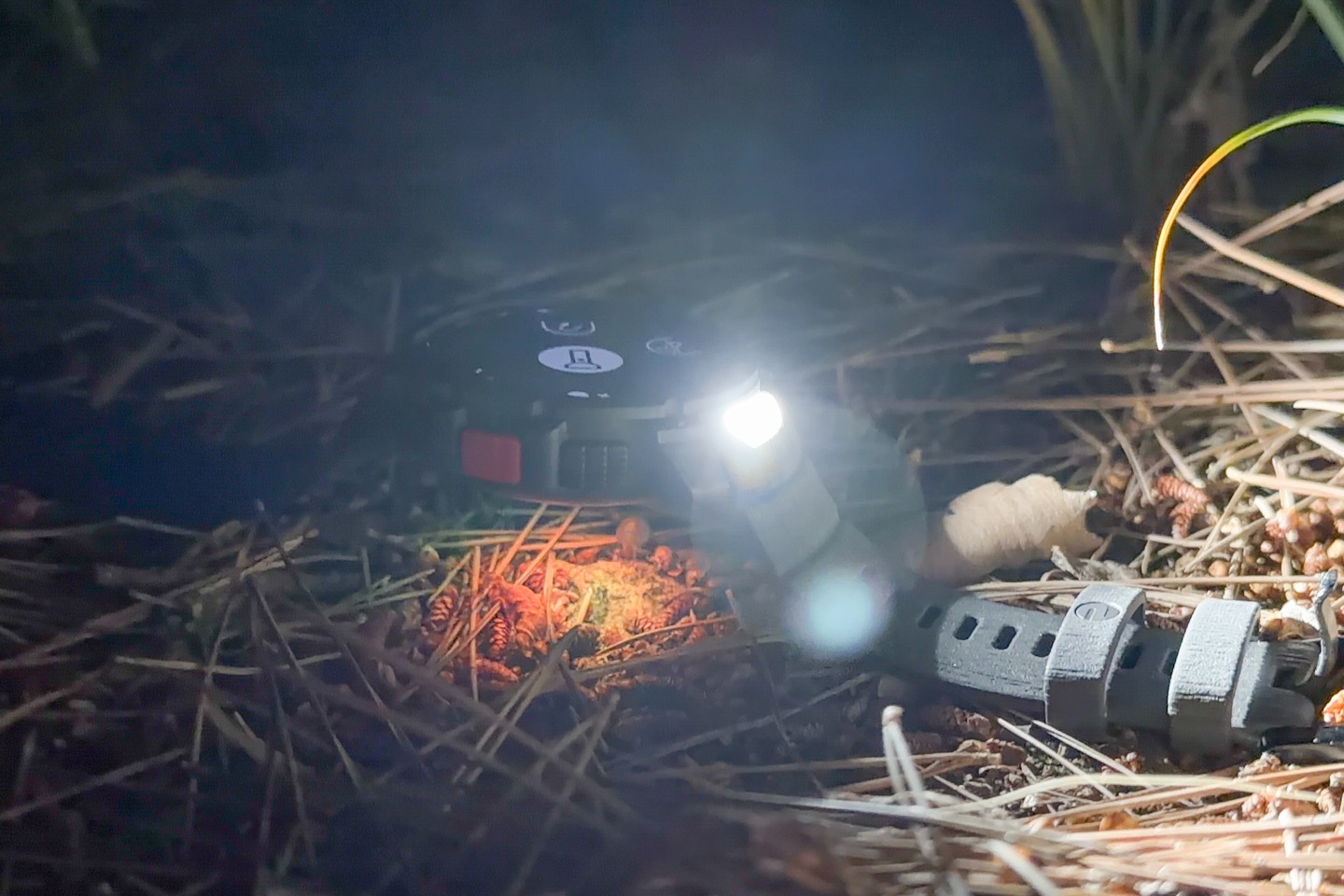
As for brightness, like I mentioned, it’s dimmer than Garmin’s flashlight, mainly because Garmin uses two white LED’s rather than the single white LED that Polar uses. For most indoor situations, this has absolutely no meaningful difference in my testing (e.g., finding hotel bathroom, finding things under couch, etc…). The only place it matters is outdoors, where Polar’s ‘throw’ (light distance) is definitely far dimmer.
So while it’s not quite as great for perhaps cooking at meal at a campsite, it’s totally fine for most other things. Like the Garmin lights though, it’s not great for trail running at night, in terms of illuminating your path. It’s fine for hiking (slower speed), but once you get to full speed trying to avoid rocks/roots, none of the watch flashlights have enough throw/brightness to make it viable for any meaningful duration. Trust me, I’ve tried. Though running on a path is fine, since you know you’re unlikely to run into anything big.
Overall, though, I’m super happy with Polar’s inclusion here. All I want them to do is change the silly inconsistent behavior of turning it on, and it’d be spot on. Then maybe add a ‘enable after sunset for running with flash’ option. Then totally spot on.
Sports Modes:
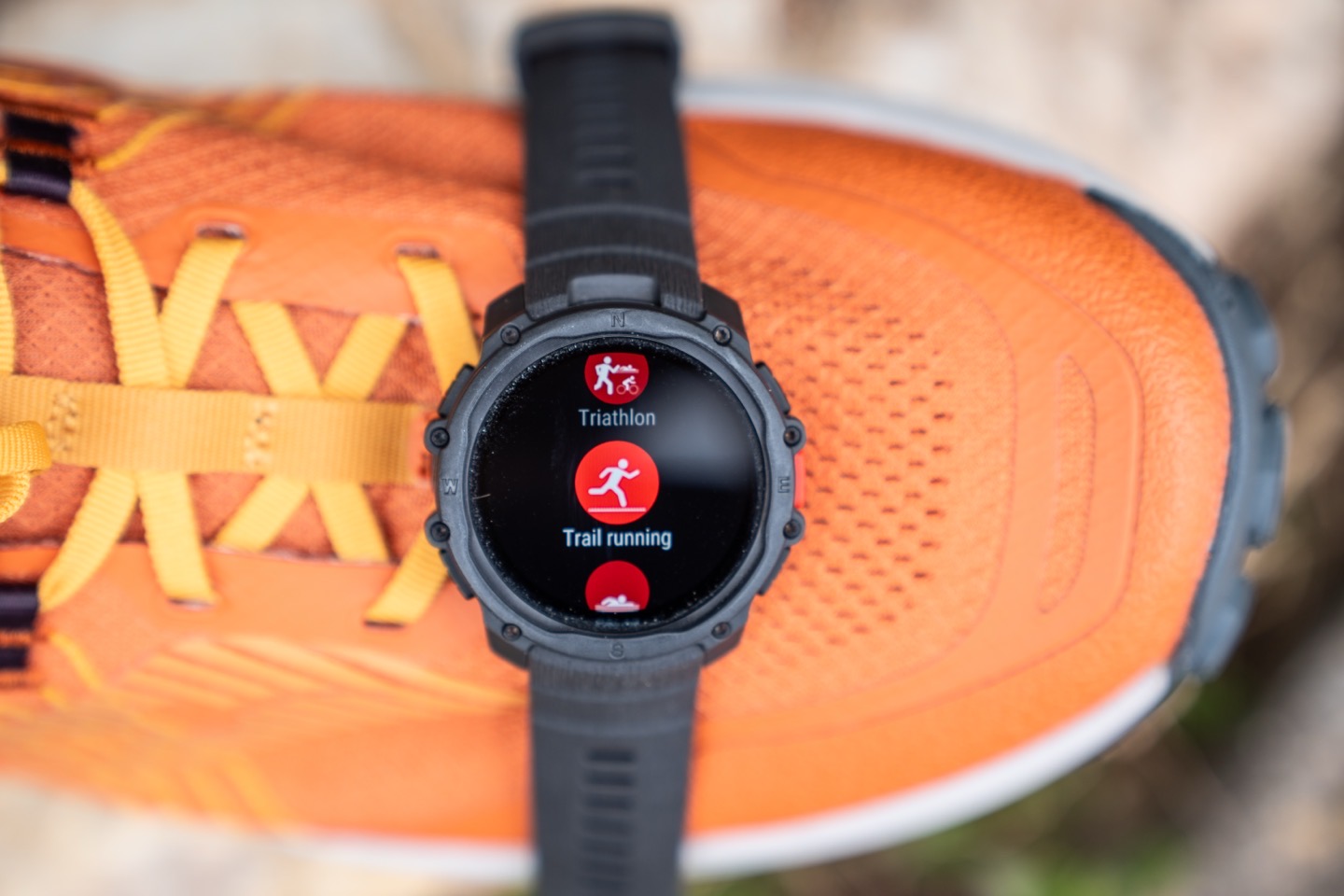
In this section, I’m going to dive into all things workout and sports. So essentially, the main reason you probably bought a Polar watch is to track your workouts.
The easiest way to start a workout is to tap the lower left button, which brings you to a menu to select the sports modes (alternatively, you can long-hold the middle red button down, but I find that takes longer than tapping lower left and then selecting workouts). Point is, it brings you here:
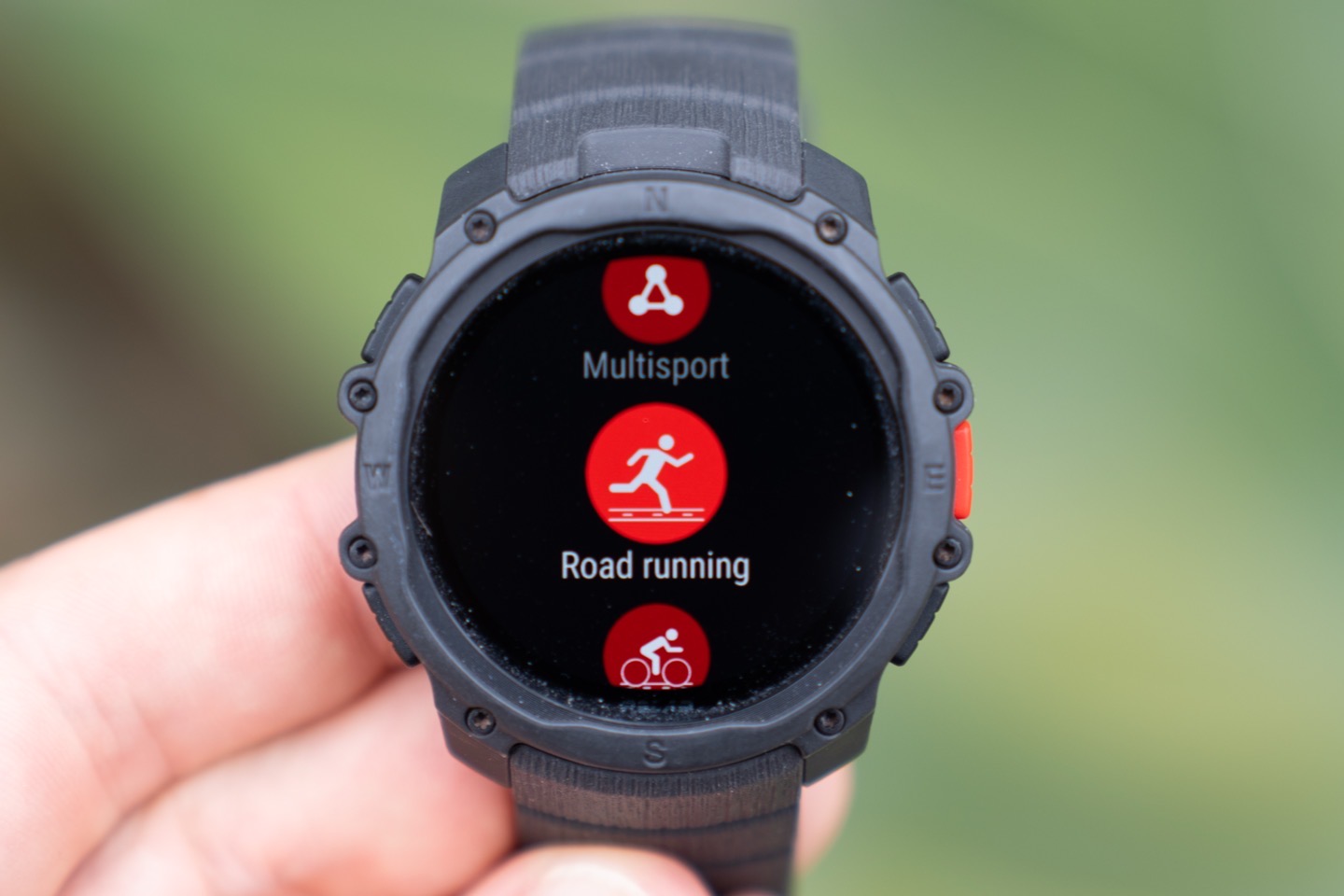
This is where you can select your sport mode from a huge list that Polar has. You can then customize these with the Polar Flow smartphone app. Both customize which modes are on your watch, as well as the specific settings on each watch. For example your data fields, automatic lap, and so on…
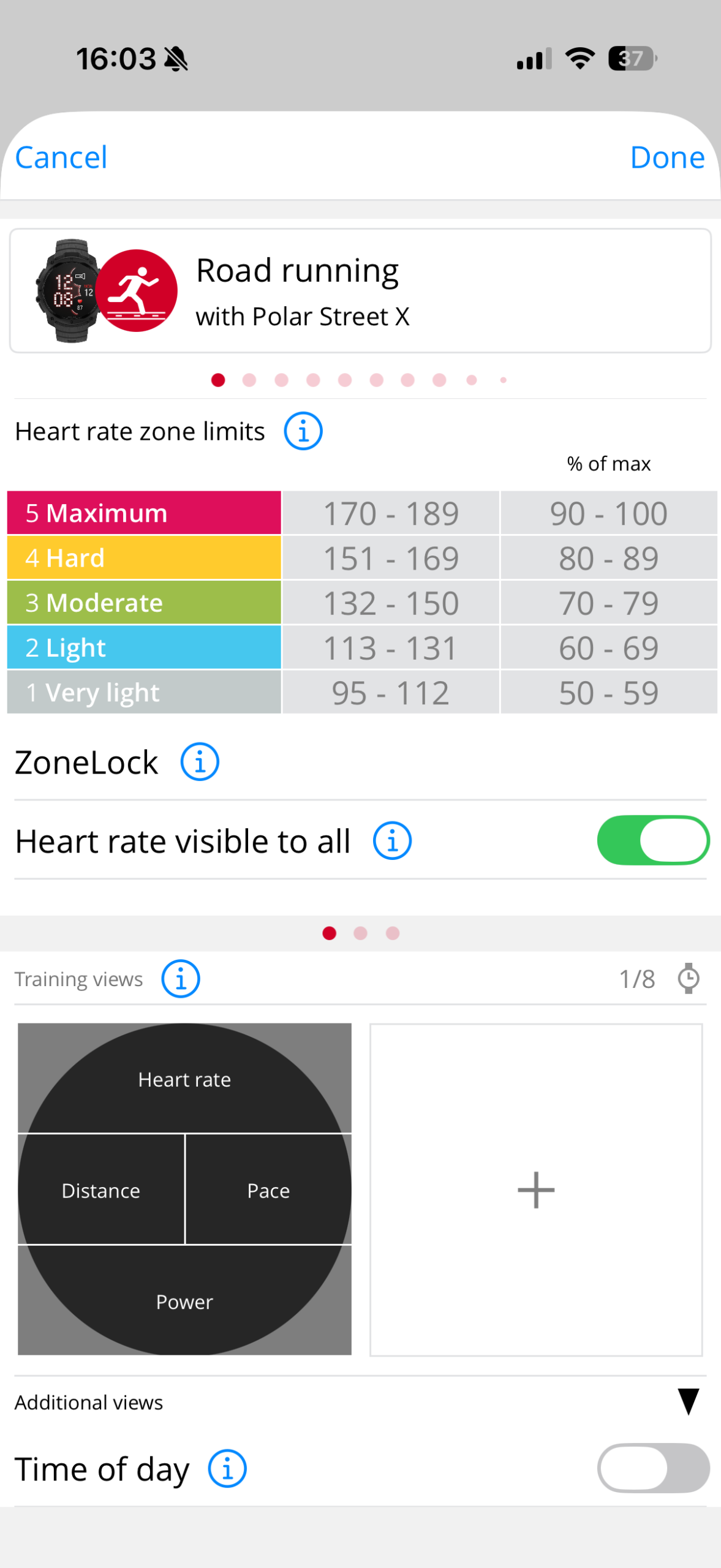
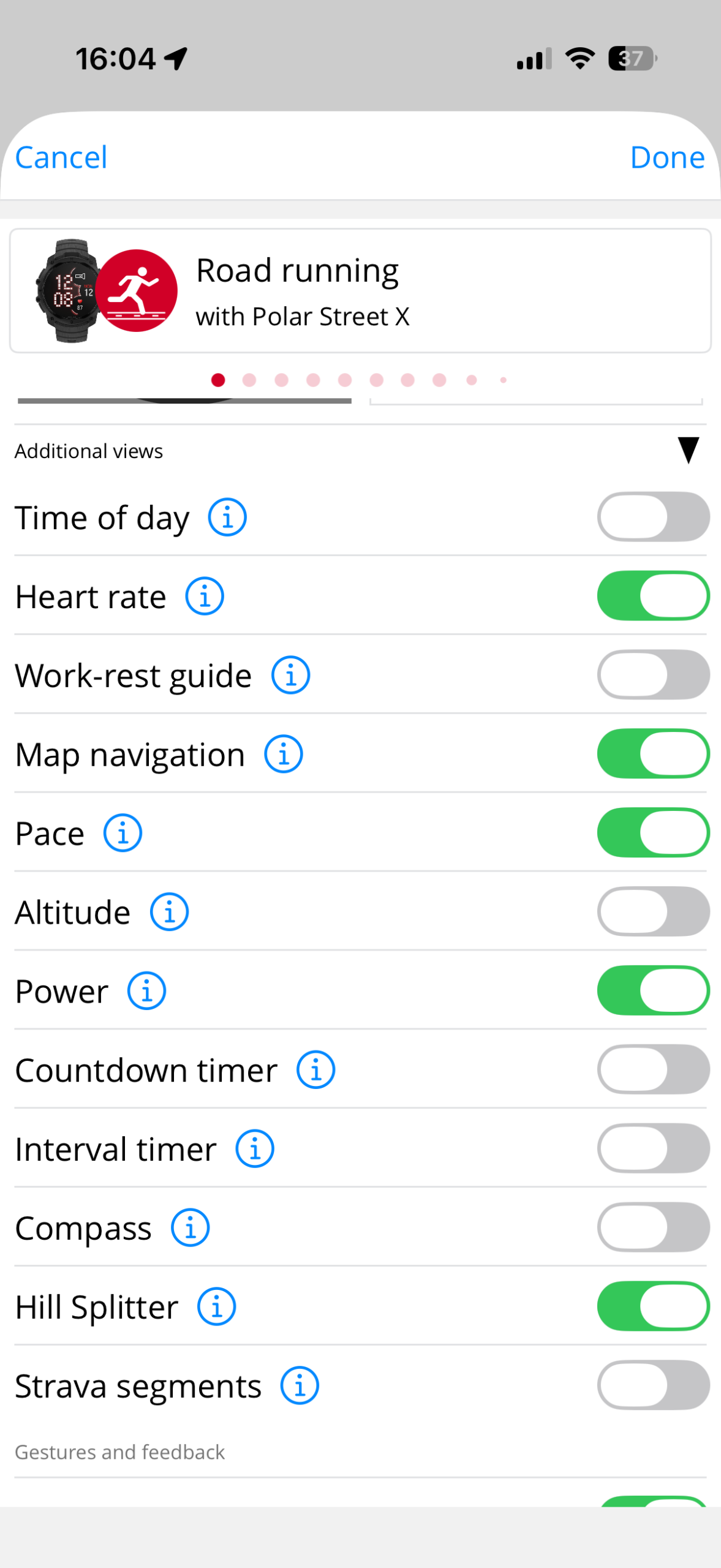
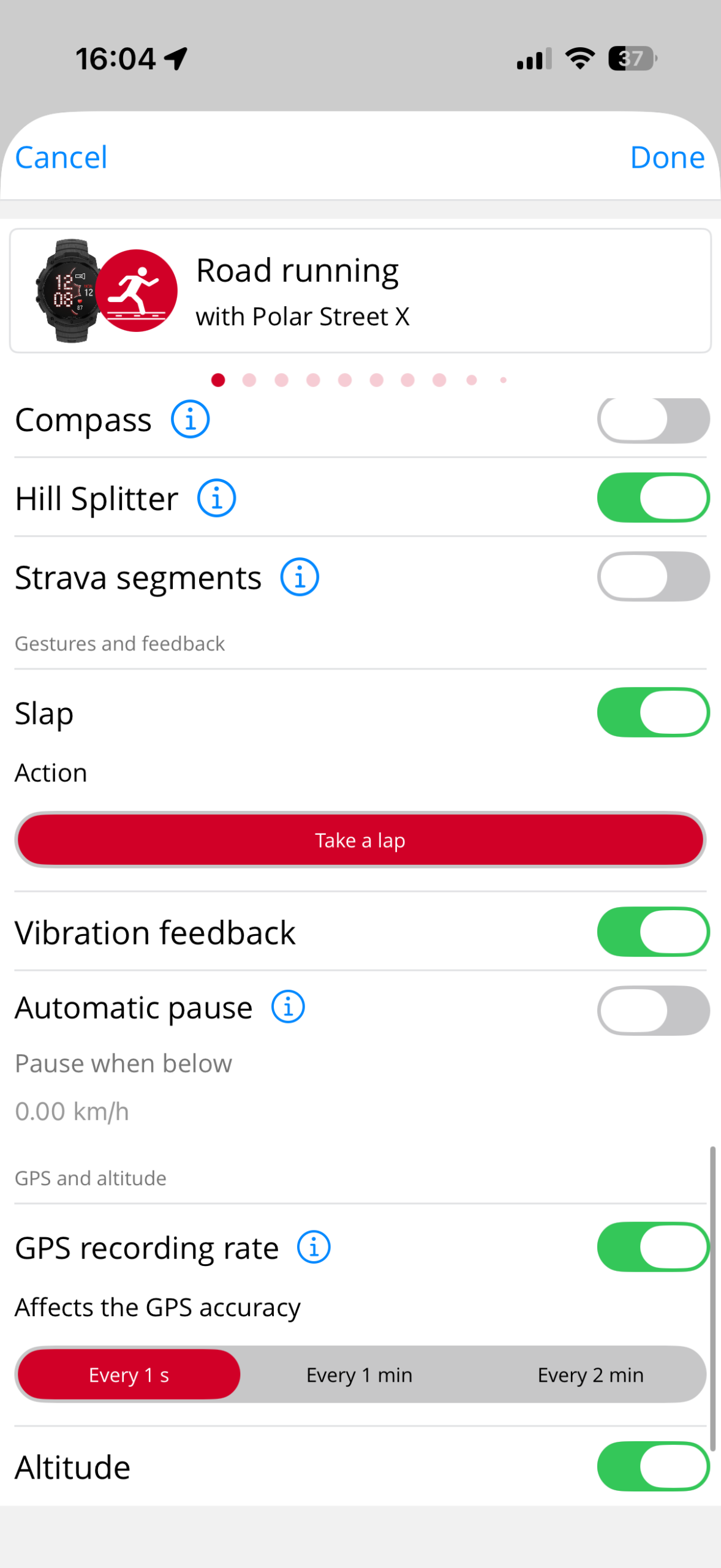
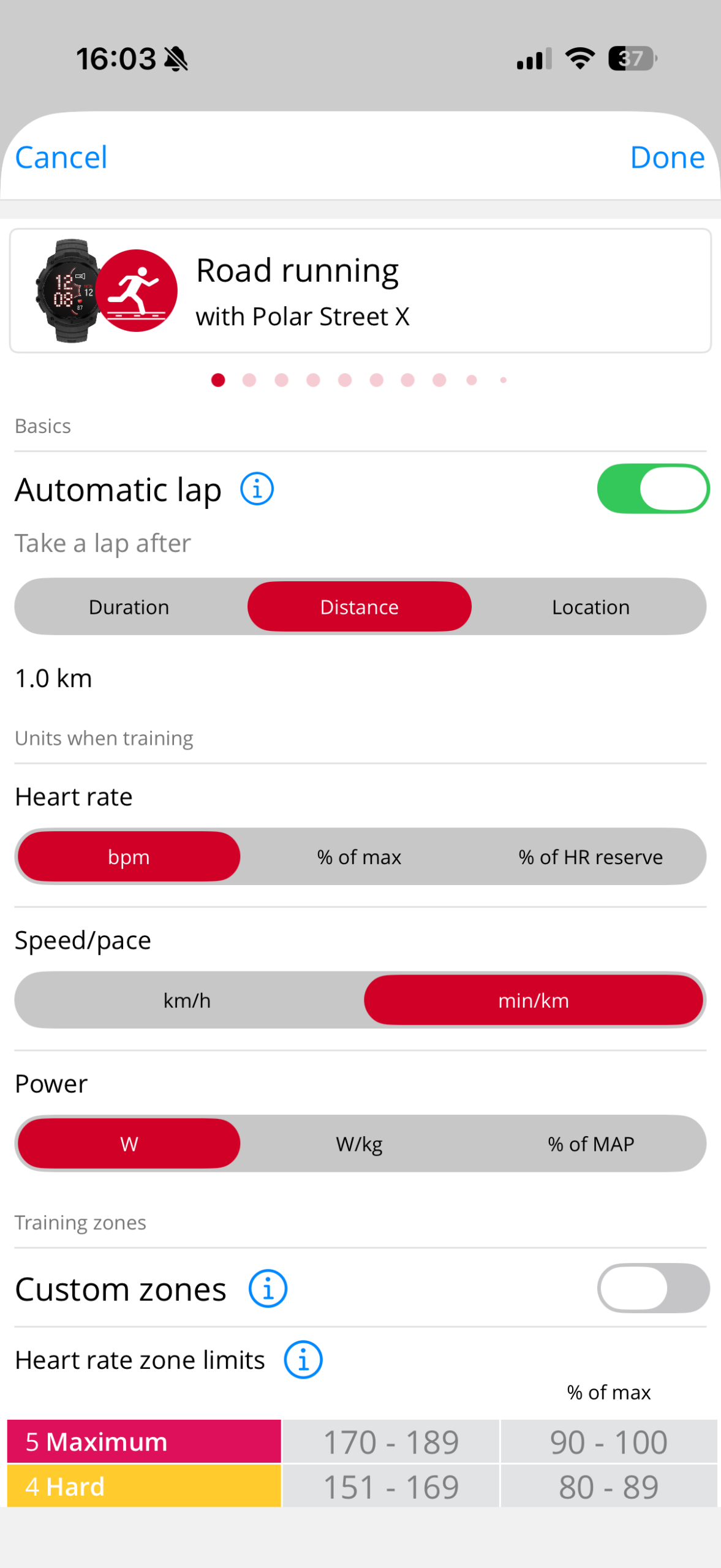
Back on the watch, once you’ve selected your sport mode, you’ll be brought to the pending screen where you can wait for GPS to lock (if outside), as well as heart rate lock. Likewise, you can se the status of any accessories you might have (e.g. Bluetooth cycling power meter):
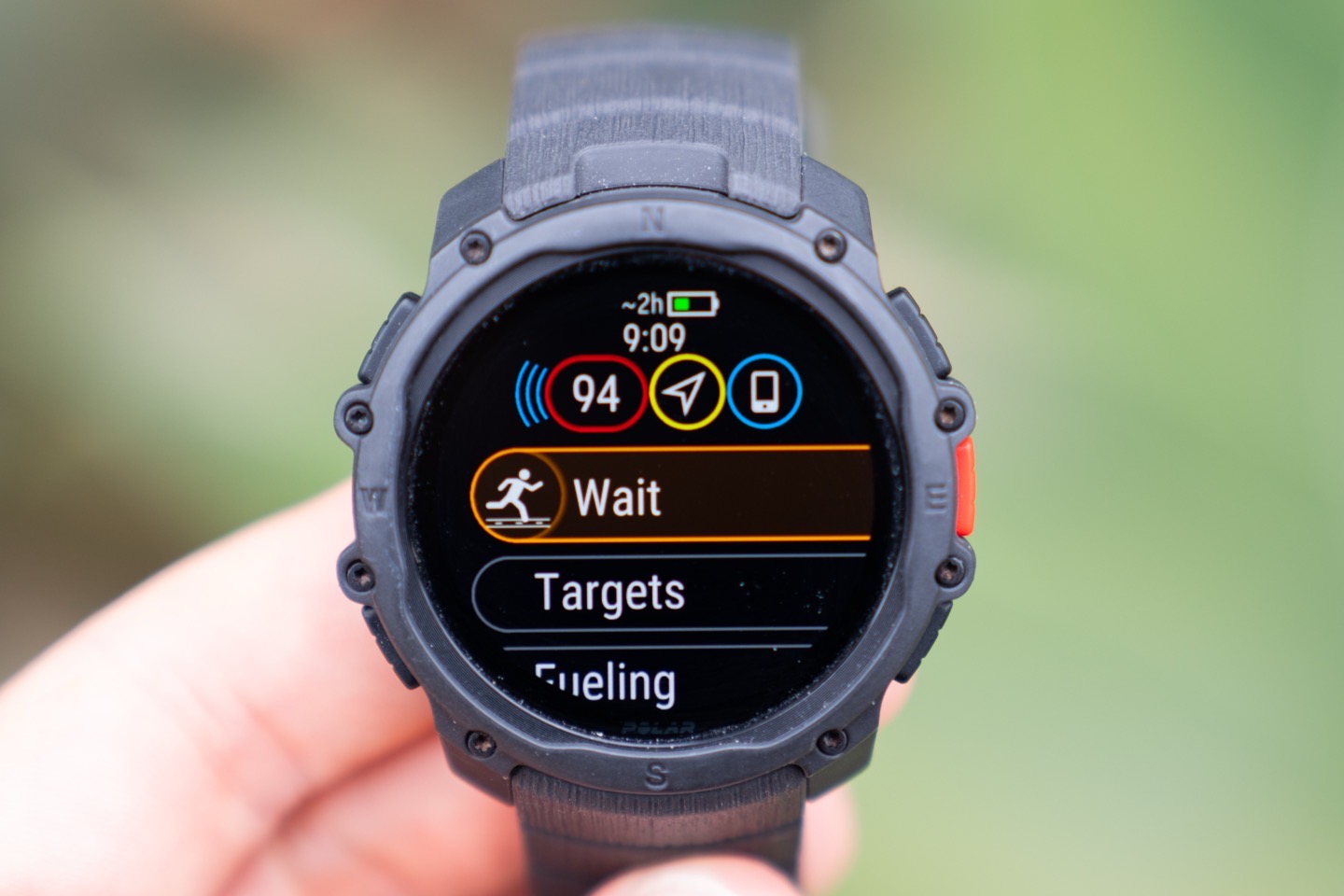
Below that, the UI has been revamped a bit to allow clearer/faster access to things like Targets, Fueling, Routes, and Settings. In the past, these were all buried under the ‘Settings’ menu, which seemed like an extra step. The rough groupings are:
Targets: This shows your favorites (e.g. your structured workouts), and training suggestions (structured workouts that Polar has come up with, based on your training load)
Fueling: Here you can enable Smart Carb reminders, Manual Carb Reminders, and Drink Reminders
Routes: You can enable breadcrumb-style route navigation (including Strava & Komoot Routes)
Settings: Enable the Always-On Display (annoyingly per each sport profile), Power Save settings, Broadcast Heart Rate to other devices, Find My Phone, Race Pace, Interval Timer, Countdown Timer, and Back to Start (navigation)
All of these individual features are the same as Polar’s other watches. So for example, structured training allows you to iterate through a given structured workout, with it giving step-by-step guidance, such as heart rate or pace targets
Note that this is different than the training suggestions that Polar can deliver. More on those in a moment. In any case, here’s an example of a few data pages from a recent run:
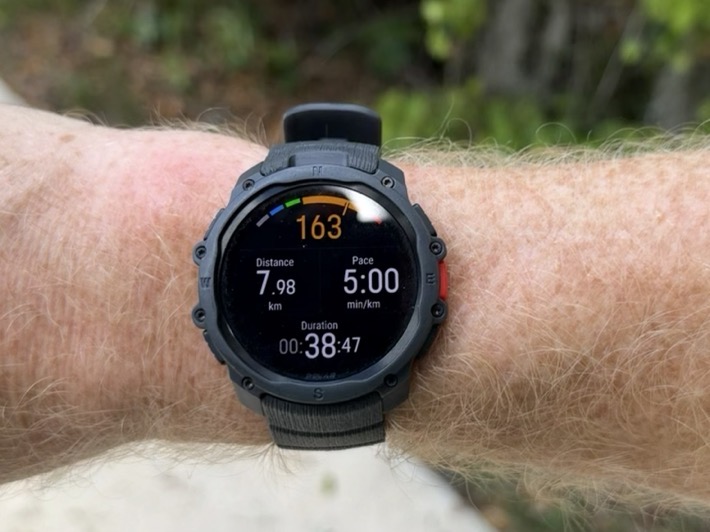
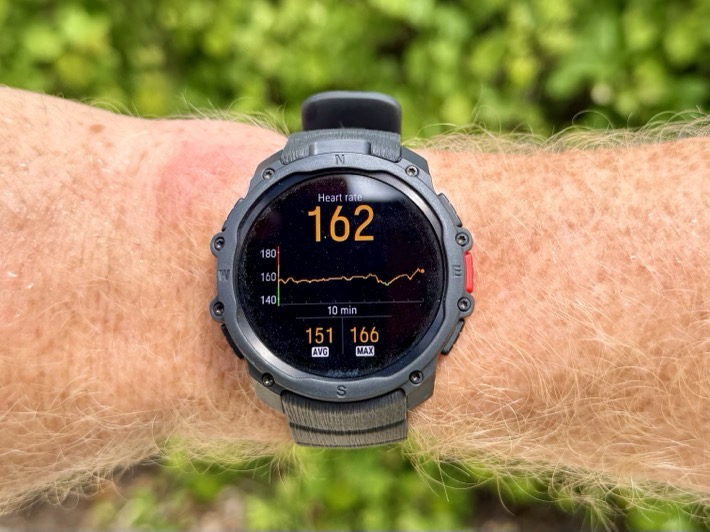
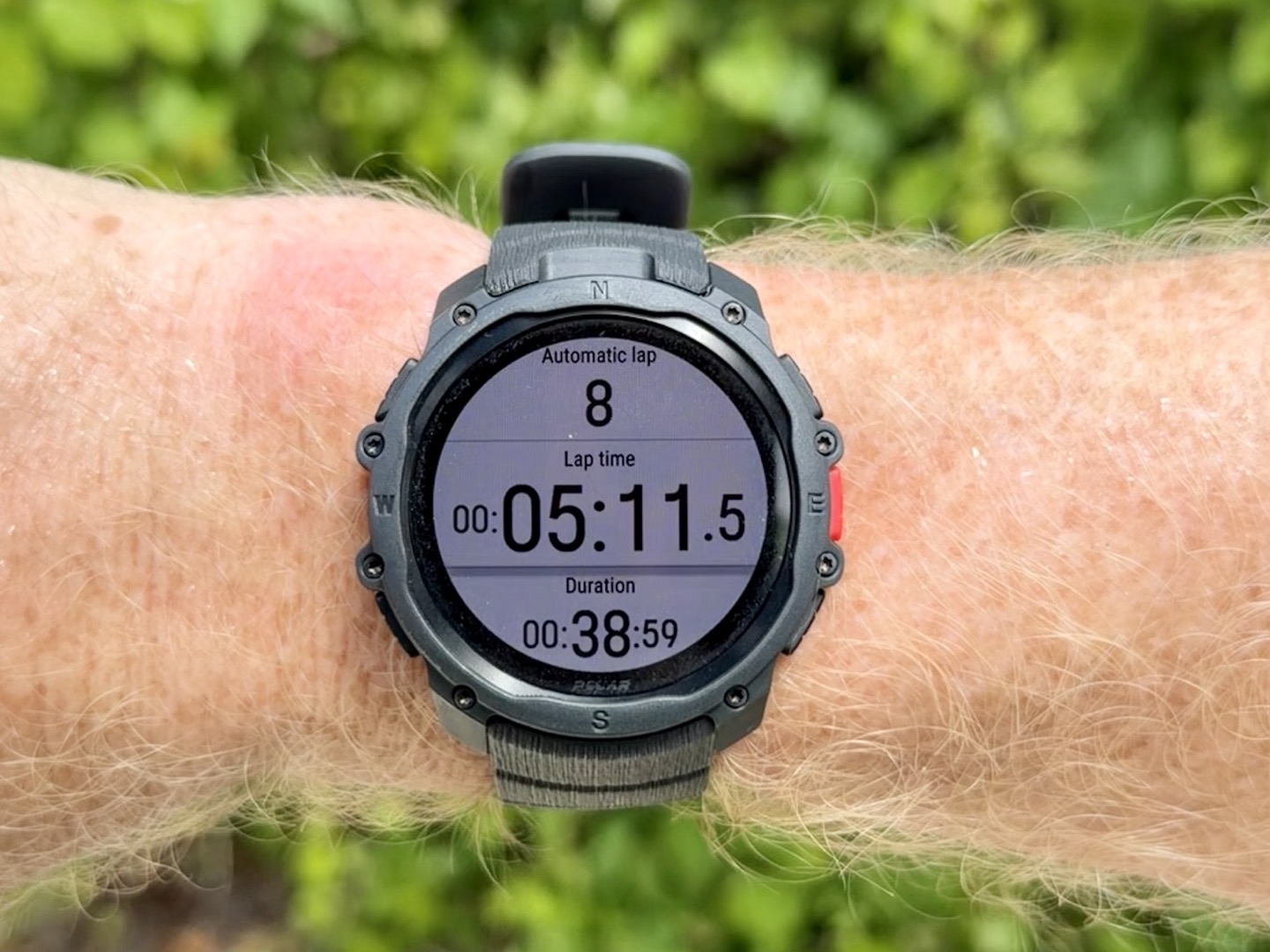
If you have an automatic lap configured, you’ll get those alerts automatically. Likewise, if you’ve got any targets/etc set.
If you have a route selected, you’ll get a breadcrumb trail guidance, showing your position relative to the route. Again, there are no offline maps here. I find breadcrumb trail guidance perfectly fine for many scenarios, including following a route in a city, most trails, etc…
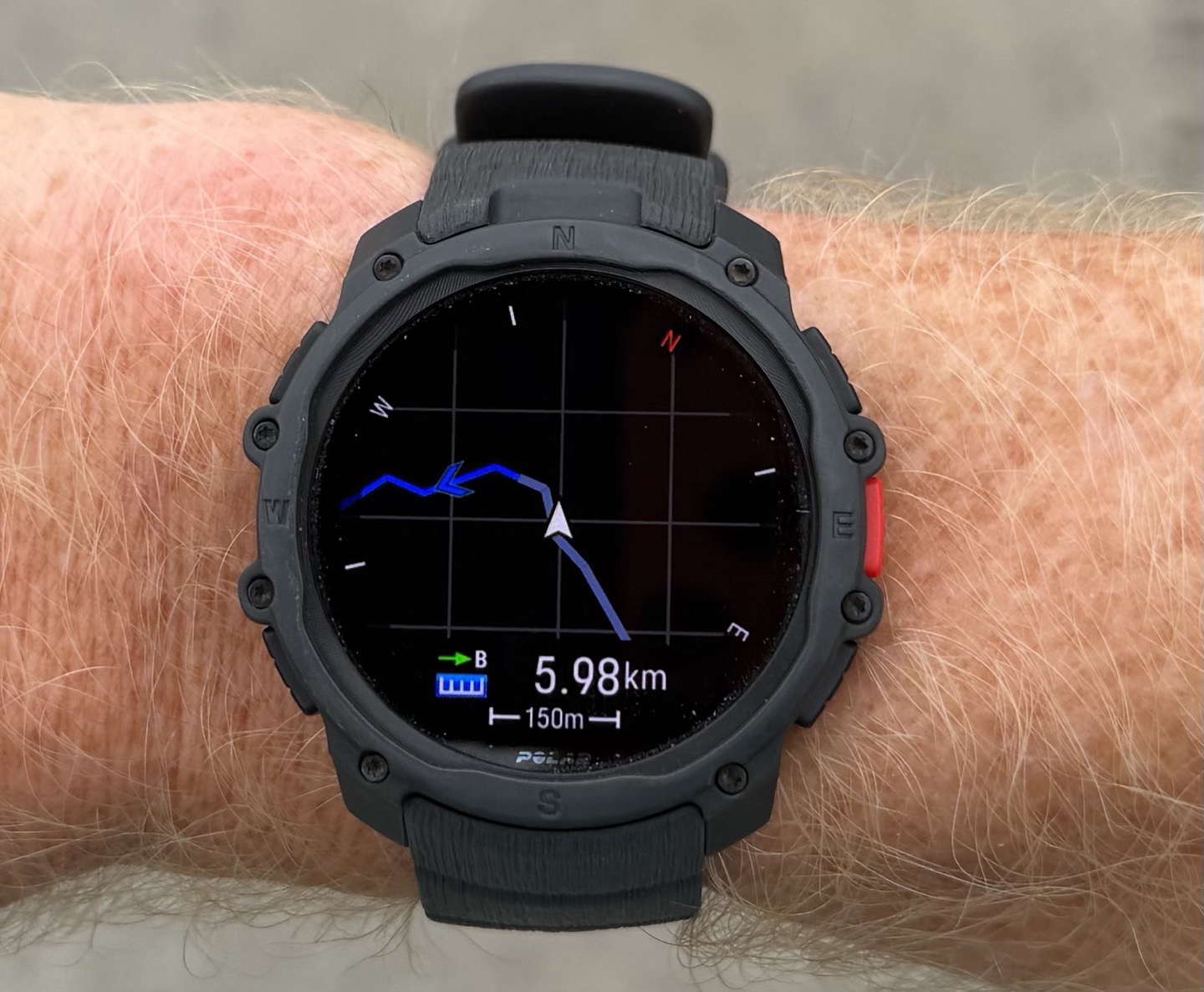
Where breadcrumb trail guidance becomes more challenging is when you have trail forks where you might have three options that are all slightly different angles. With offline maps, you can see the other trails on the map, and you’ll be able to know which one is the exact one you want. With breadcrumbs, it often ends in trial and error. Not a huge deal, but that’s the main difference.
In terms of being out running, riding, swimming, etc… in bright sunlight I had no issues with display visibility. Though again, it’s slightly annoying that you set the entire watch to always-on display (enabled), and then for every single sports profile you have to manually enable it again (once per profile).
In any event, once your workout is done, you’ll see your results in the summary screen. Here’s a gallery of one of my recent interval runs:
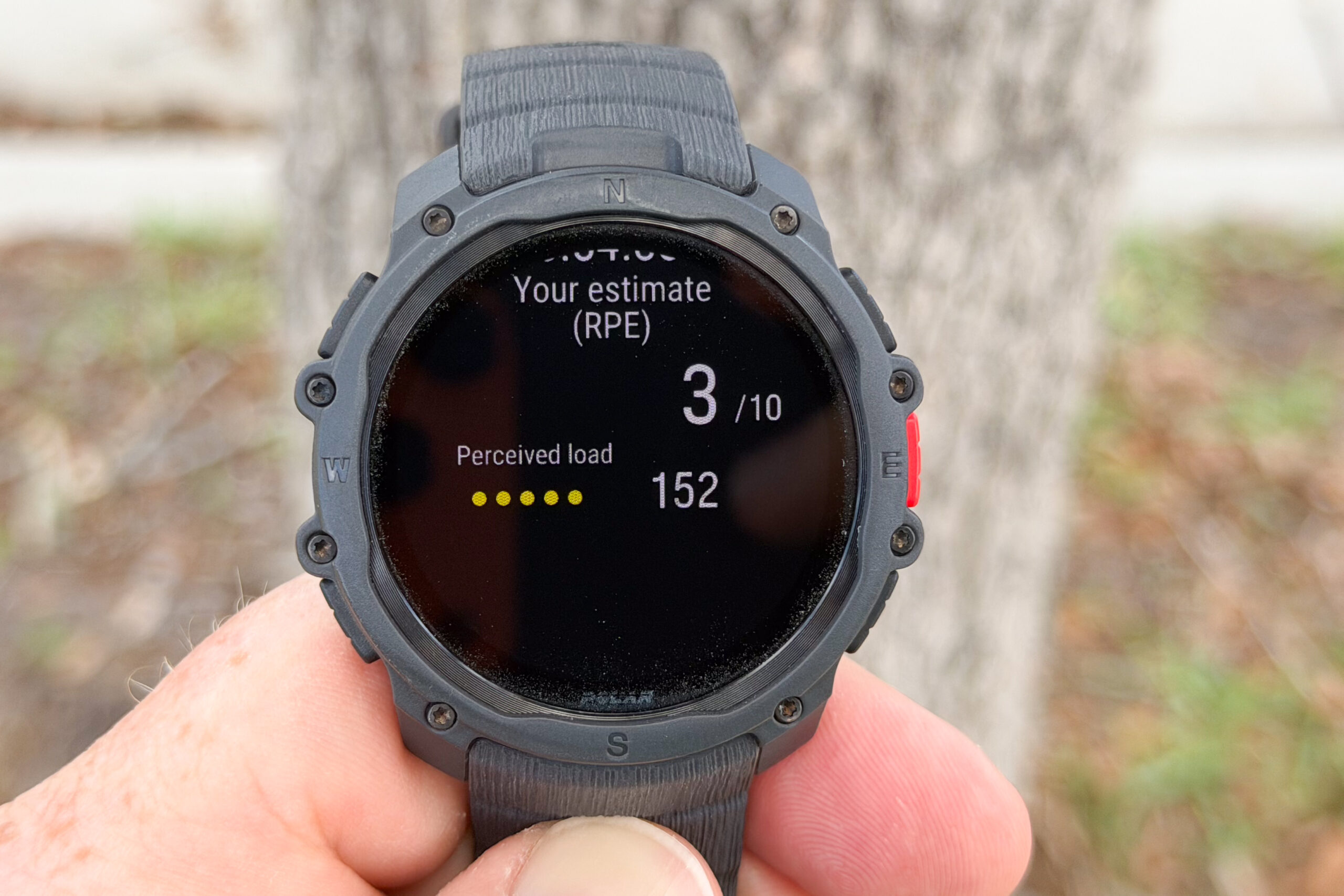
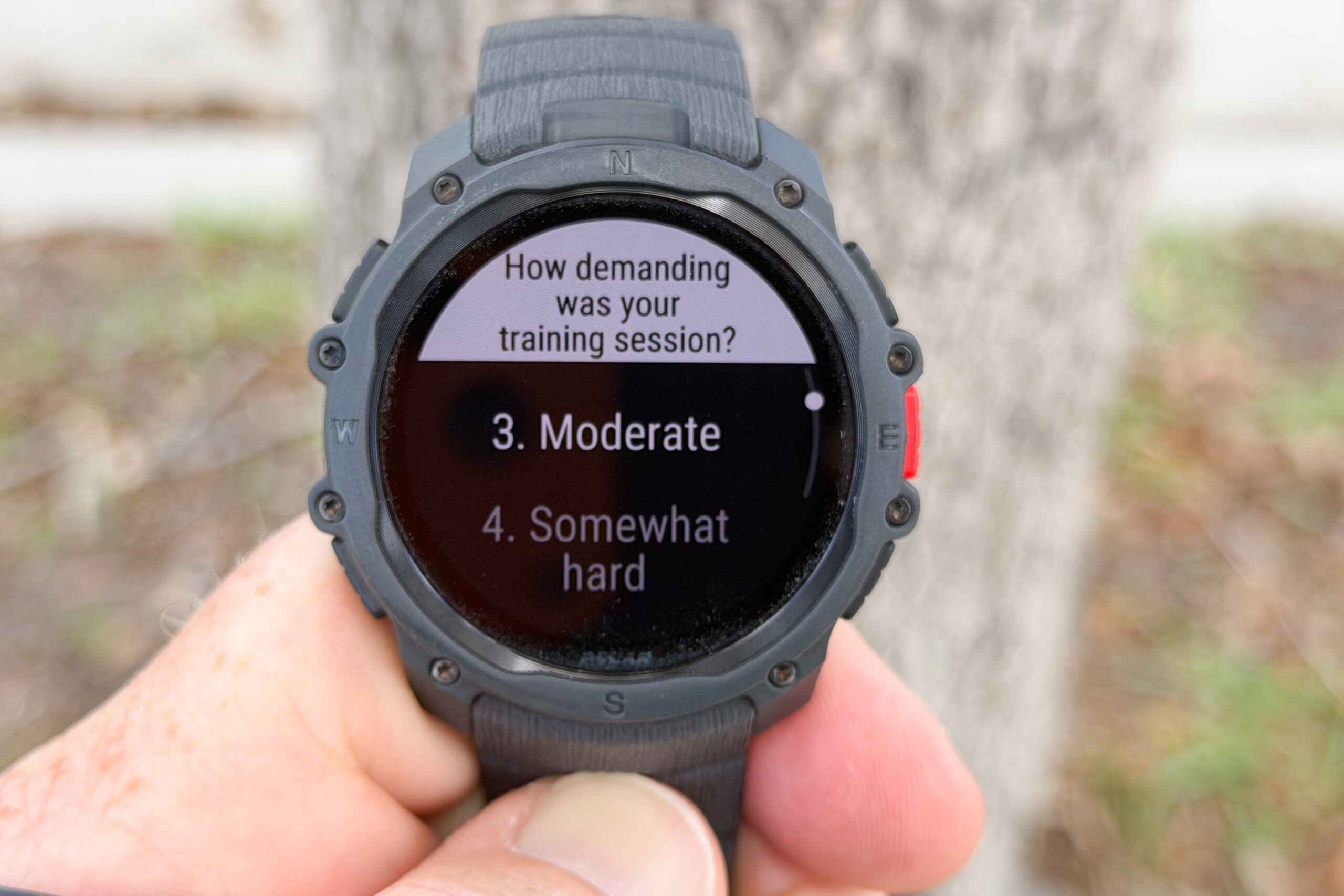
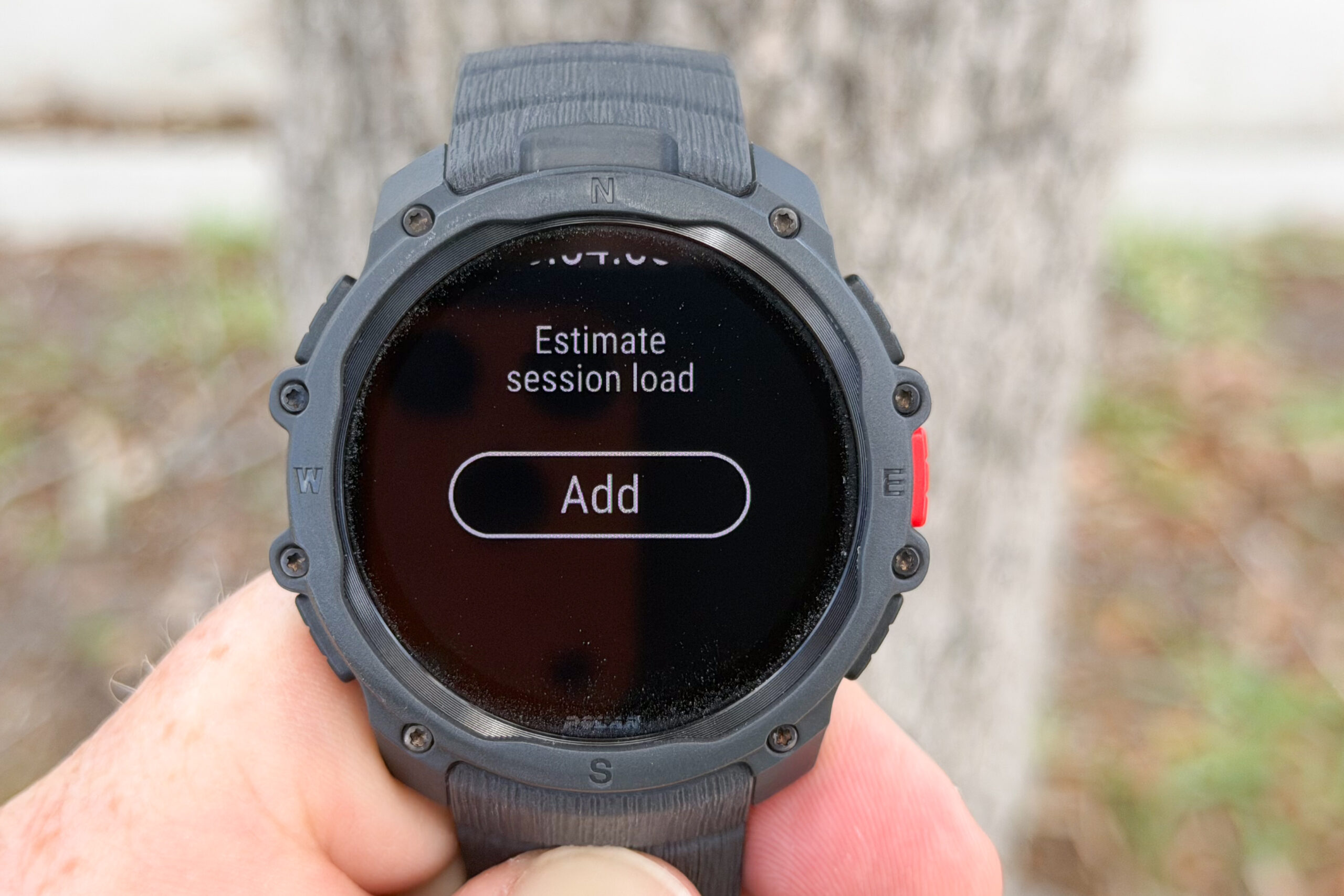
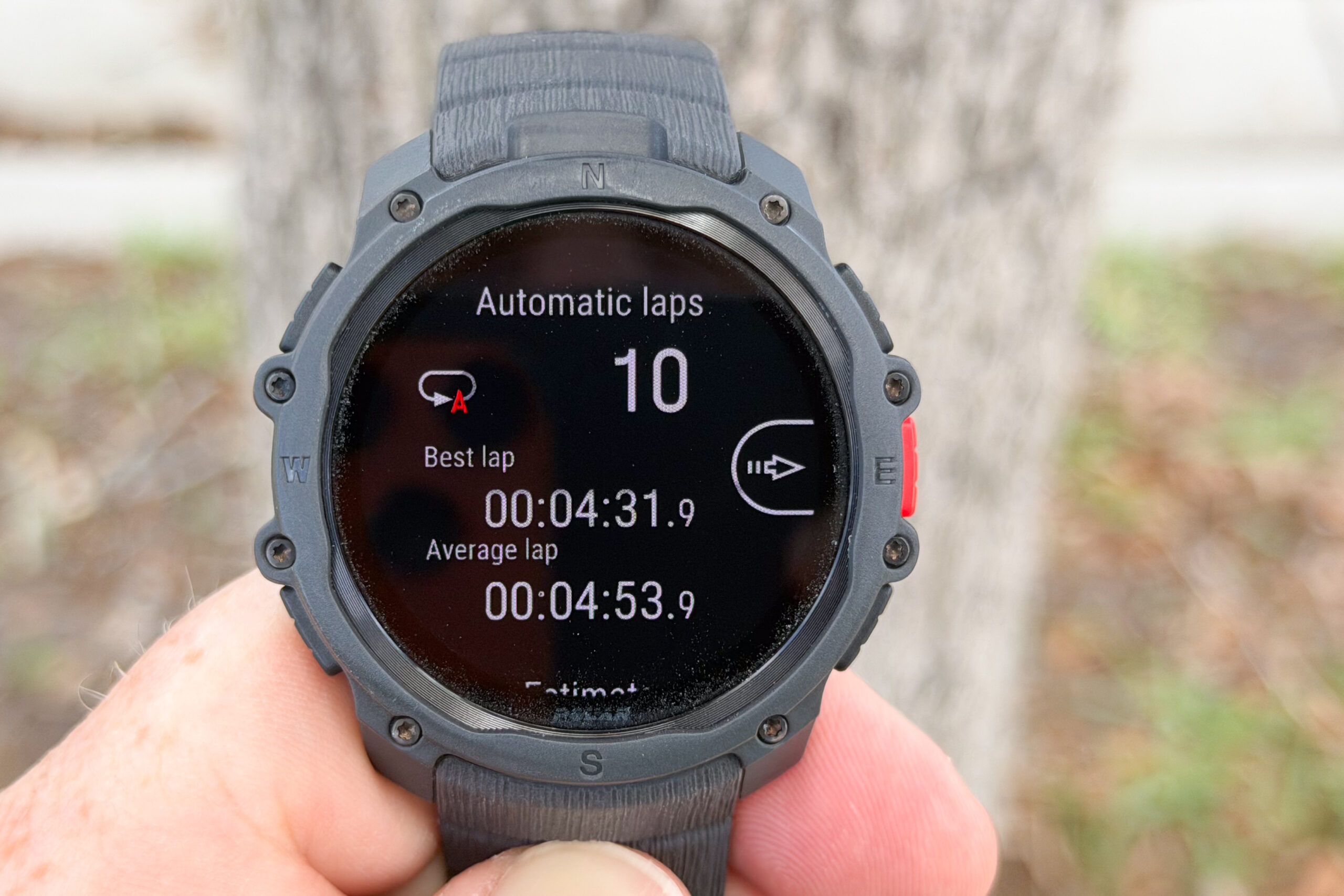
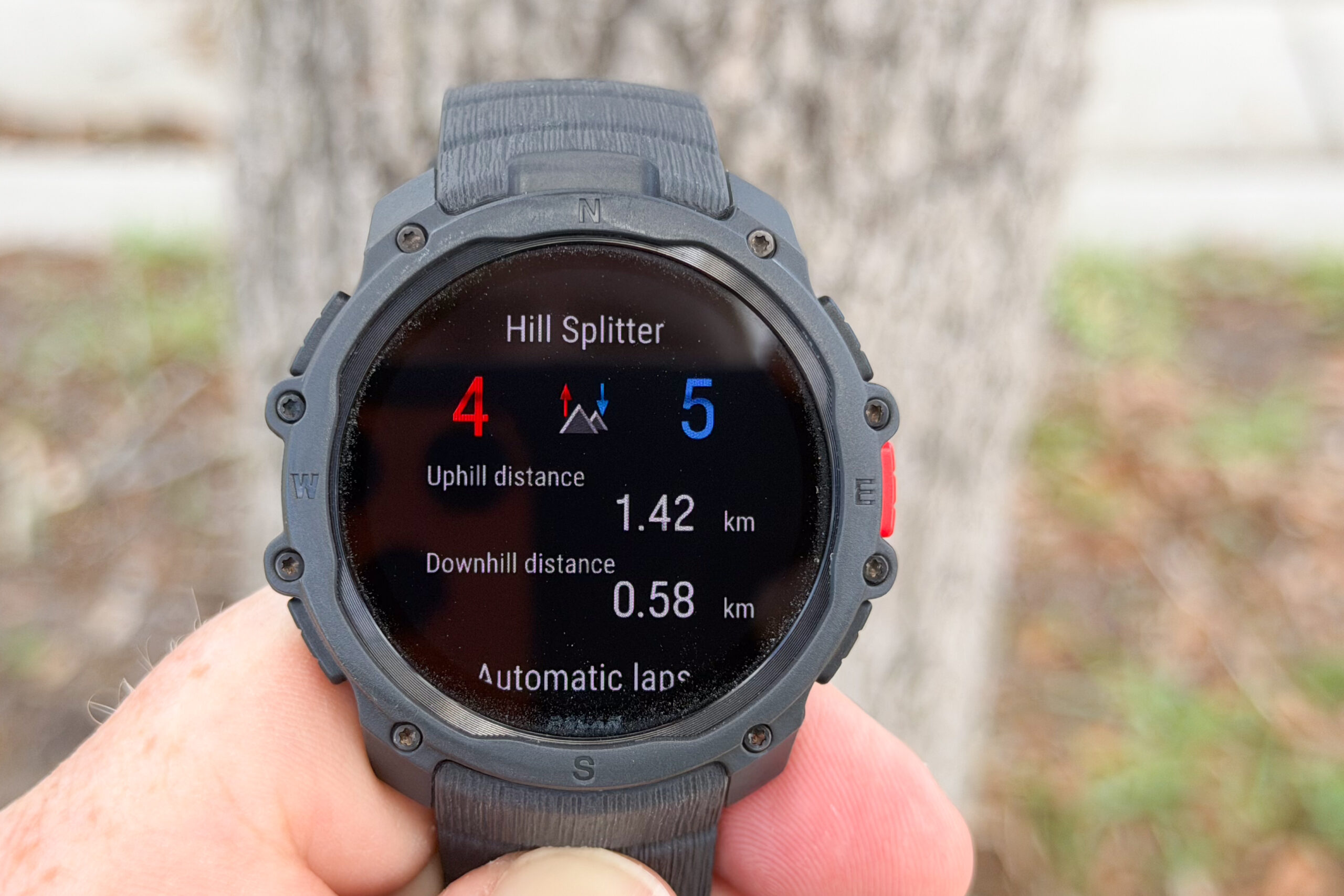
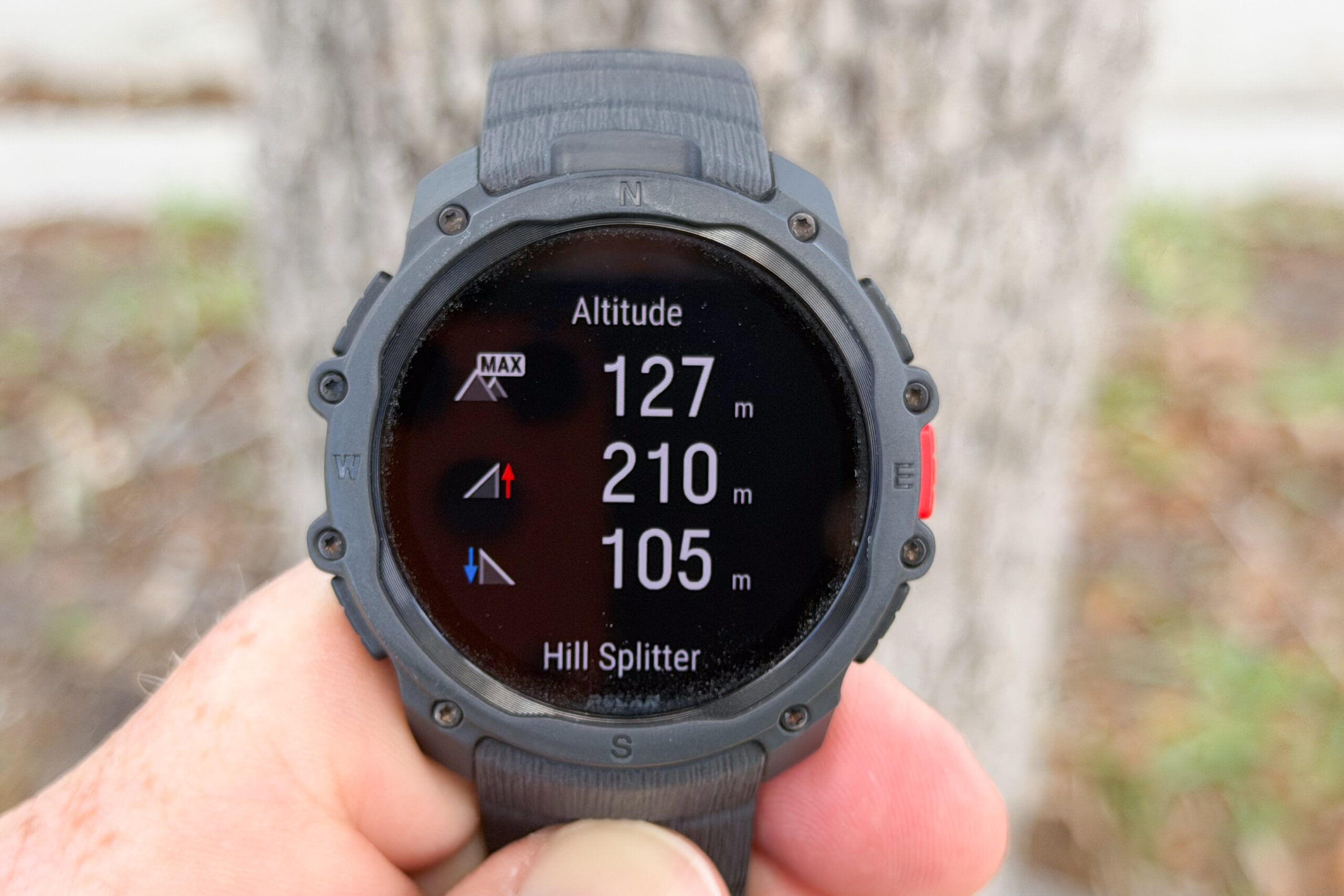
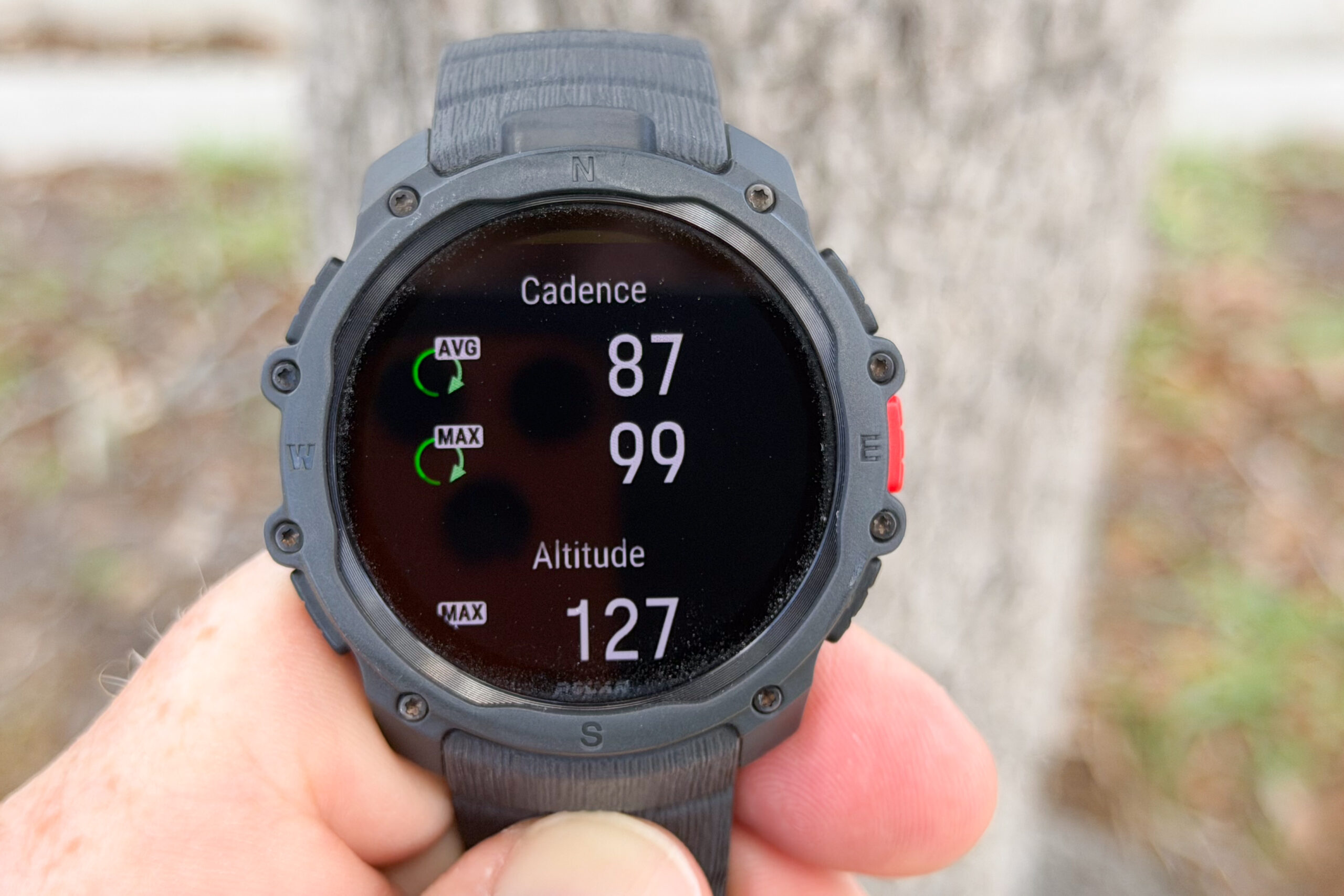
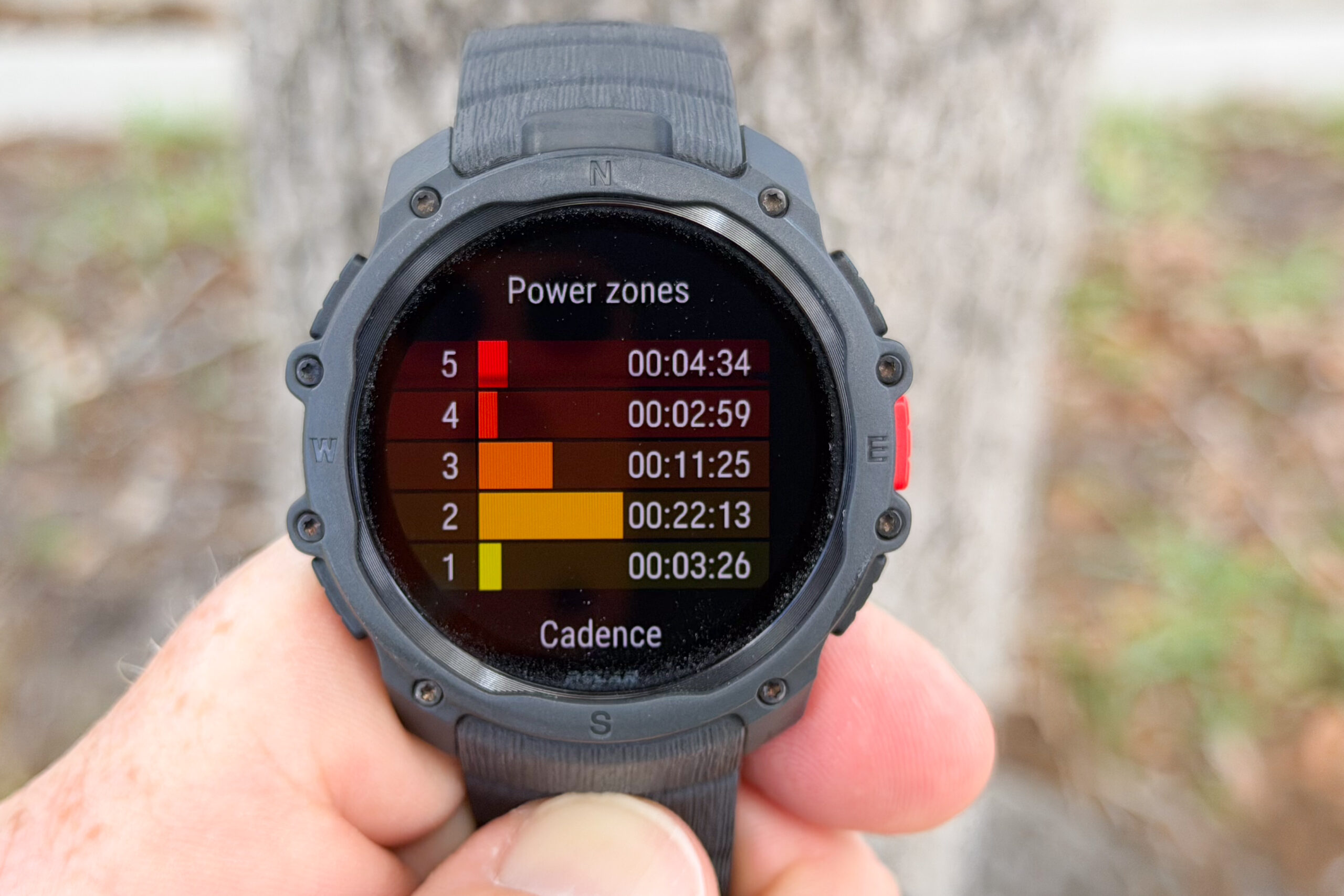
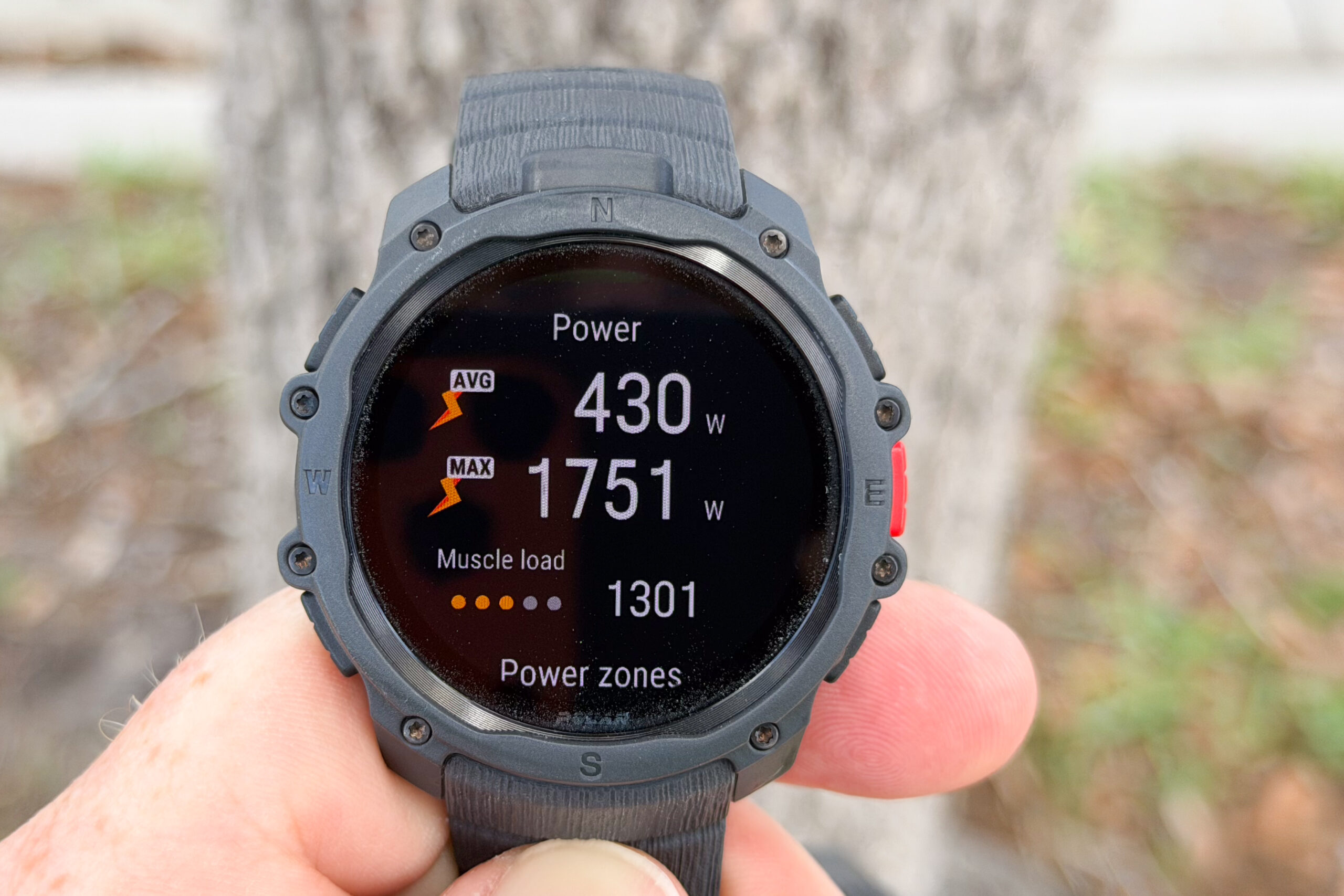
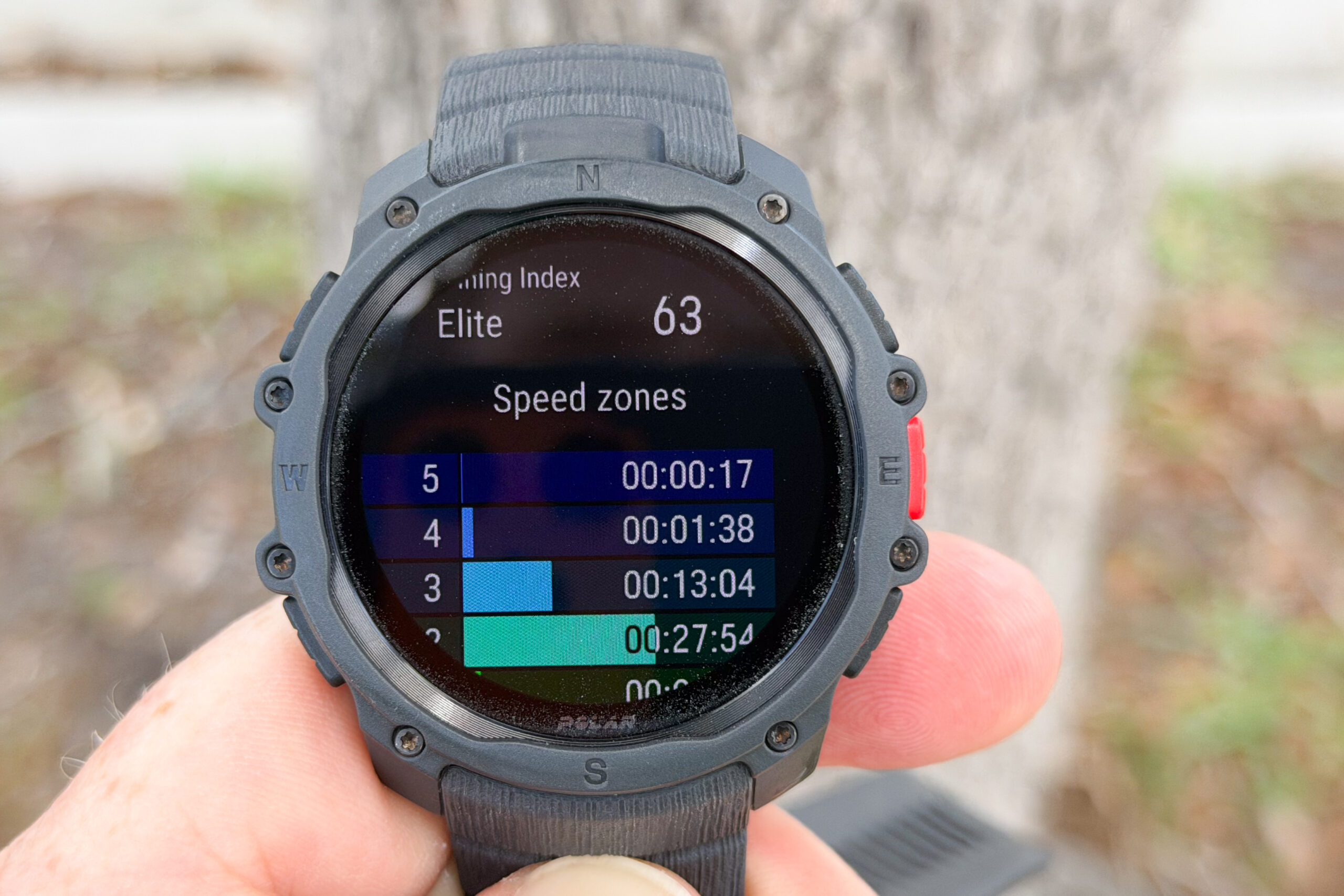
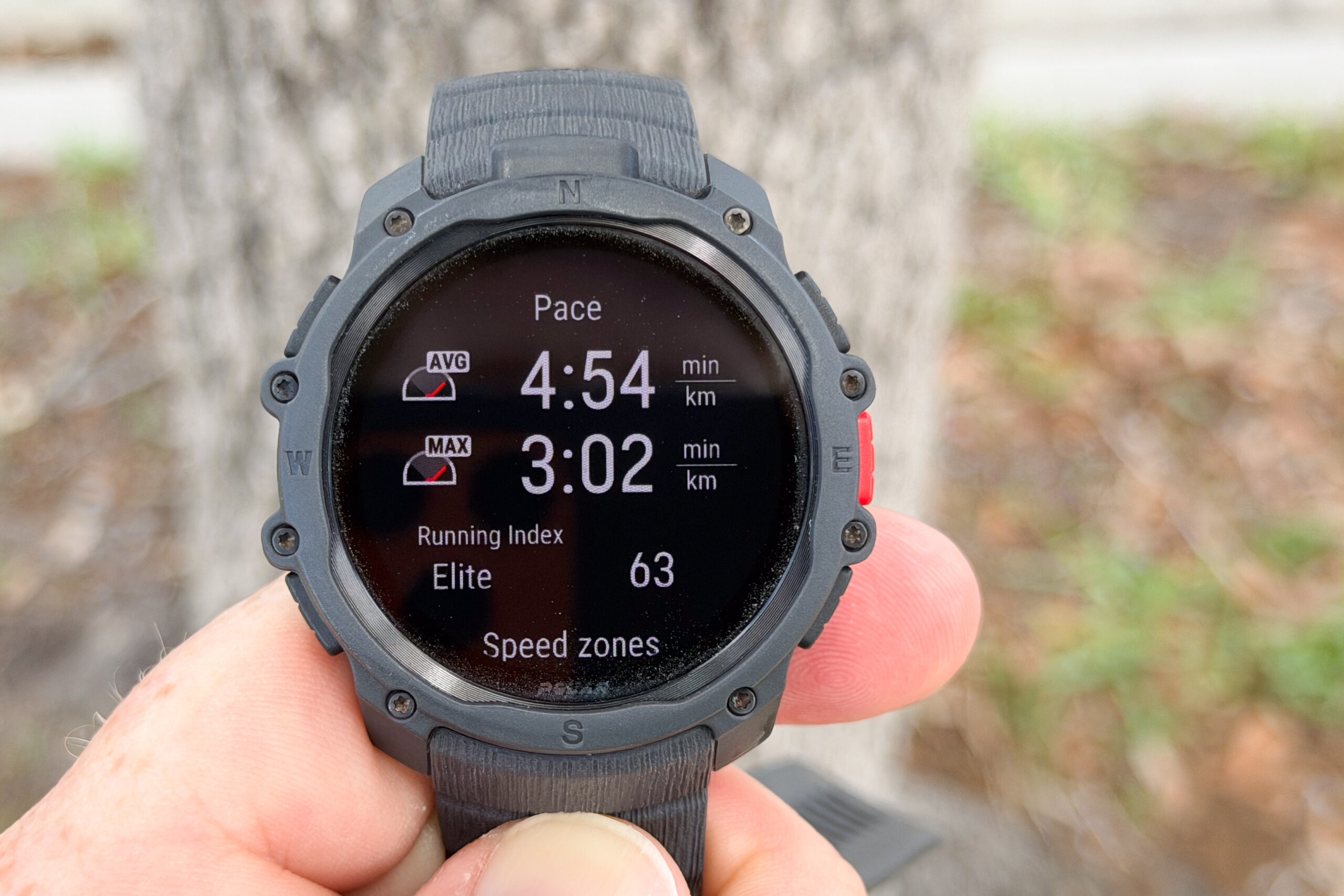
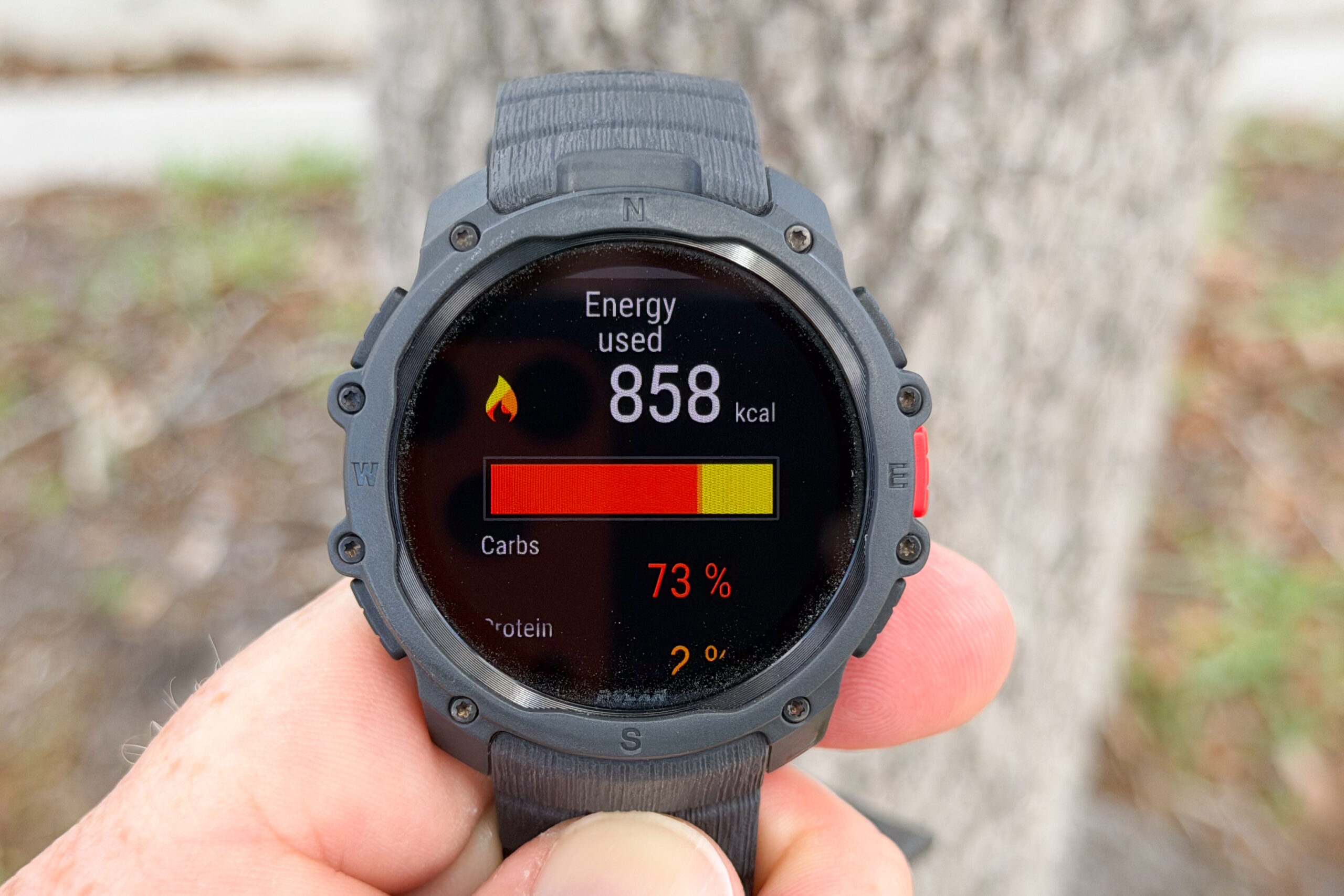
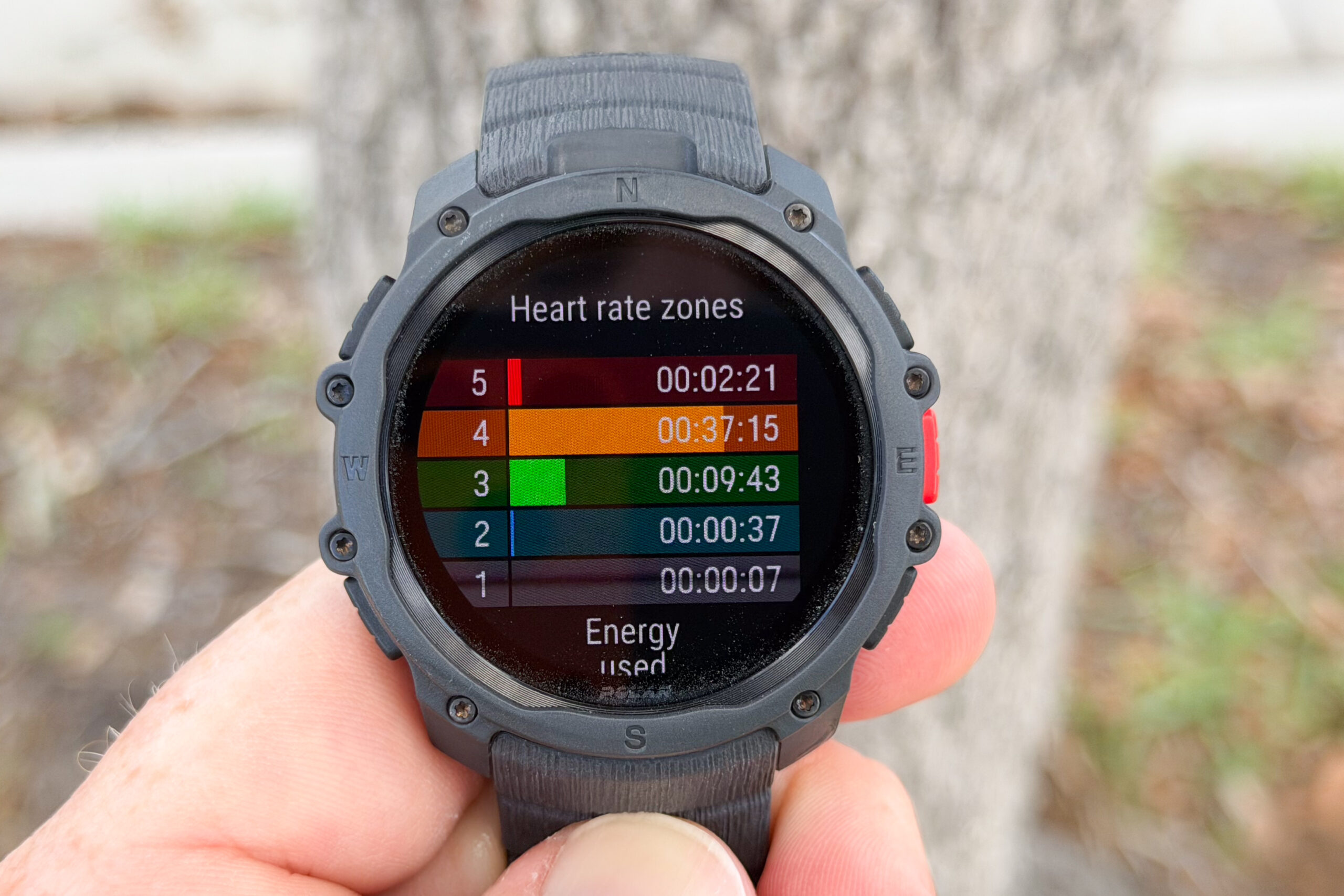
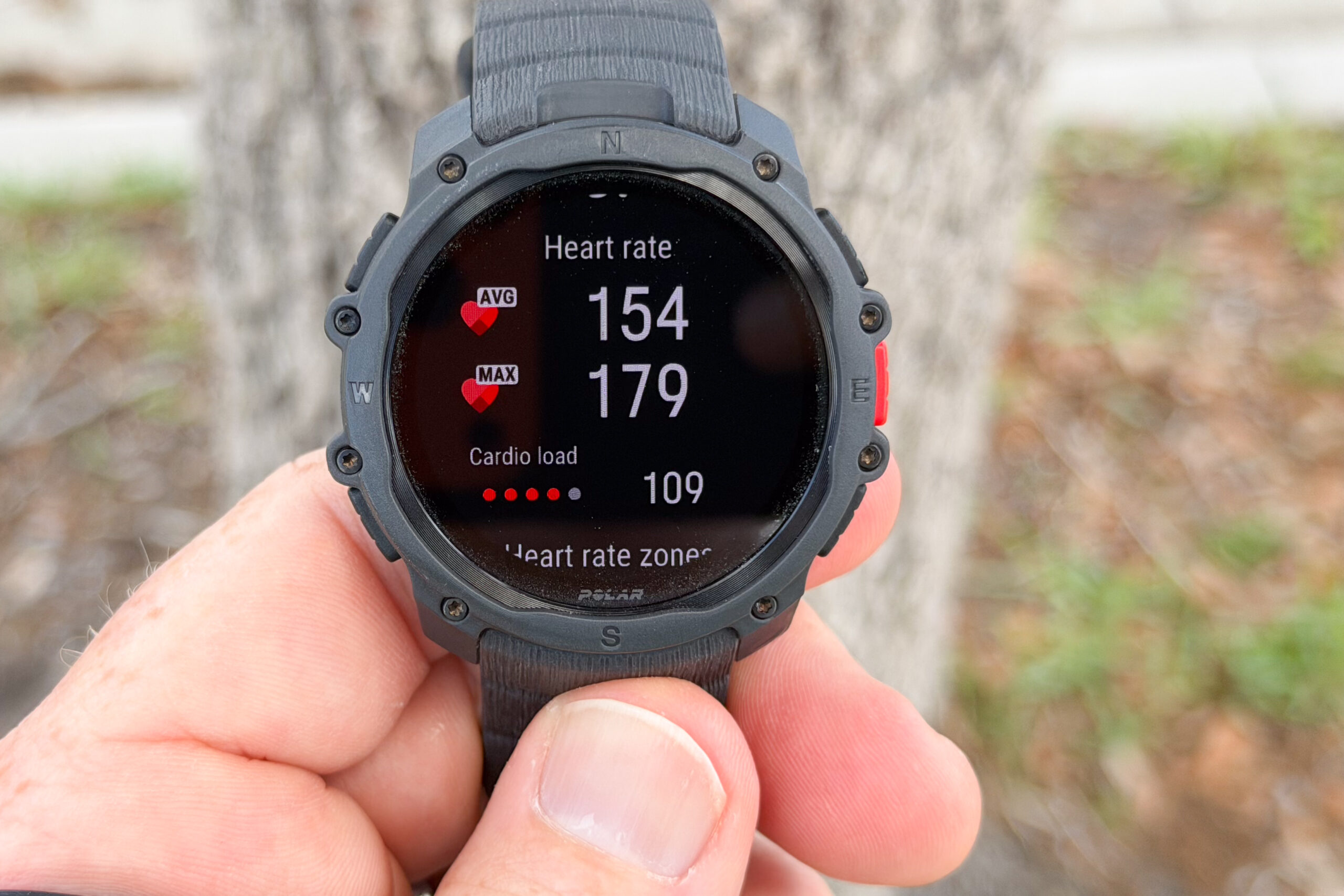
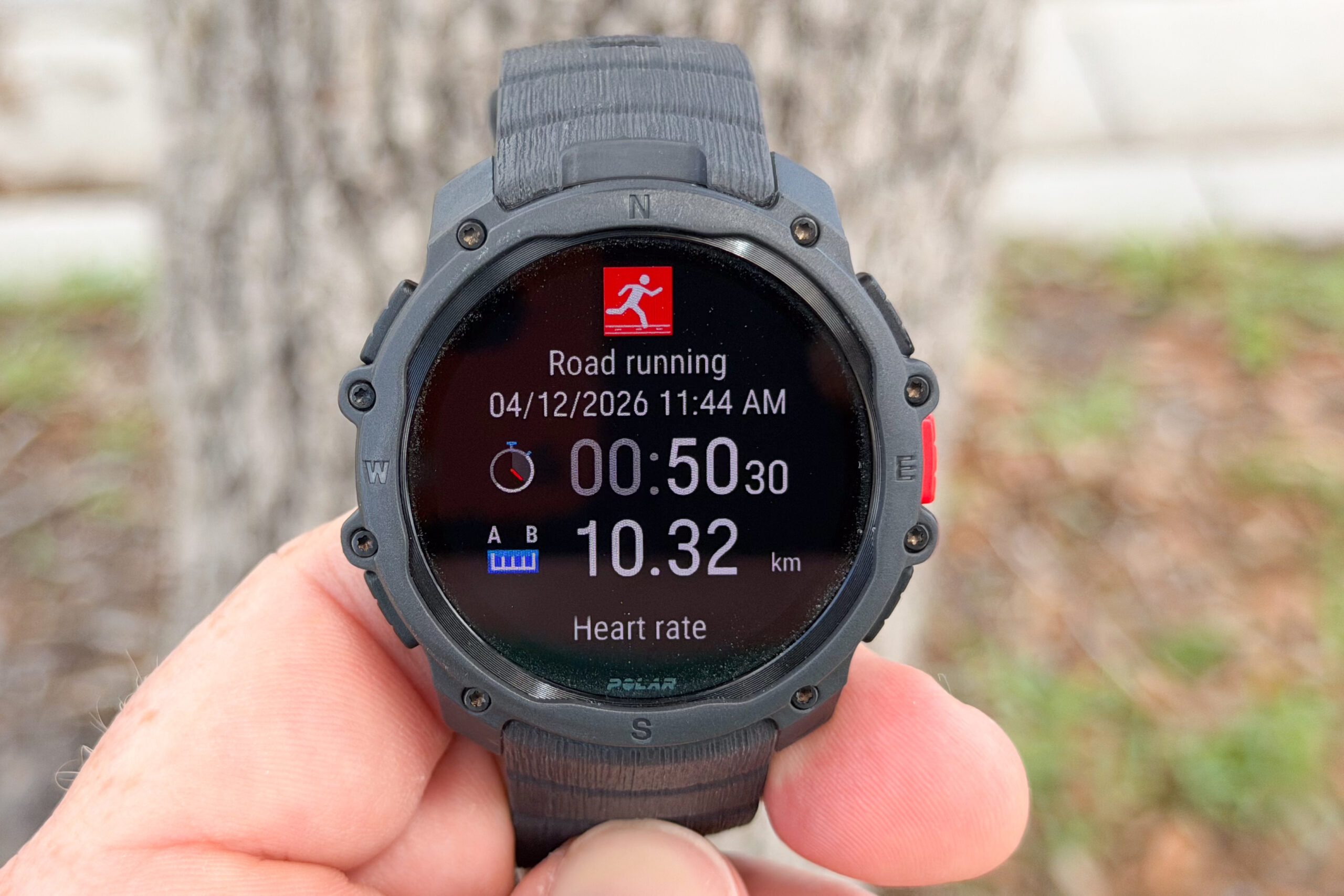
Likewise, all of this detail is synced to Polar Flow (the smartphone app and platform), and you can view things in more graphic detail there:
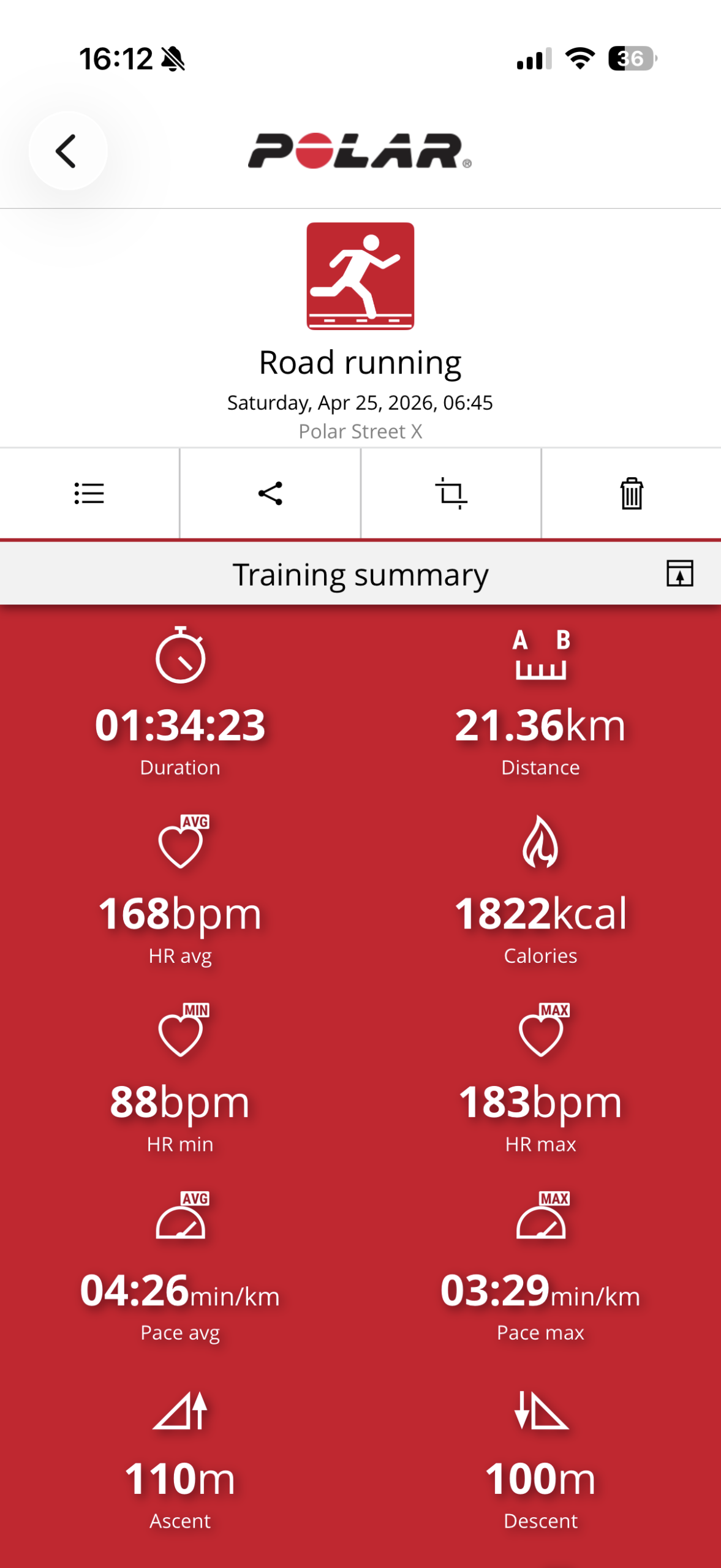
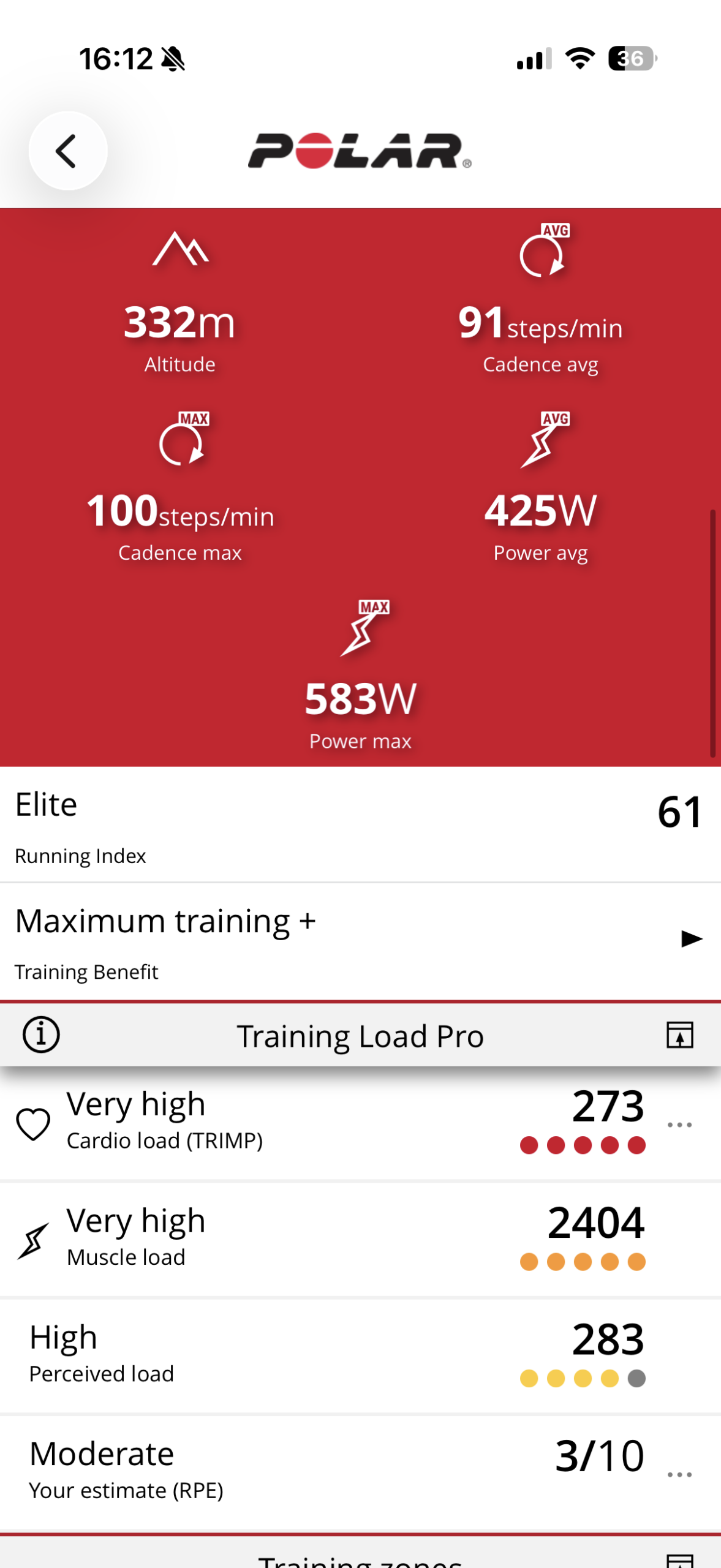
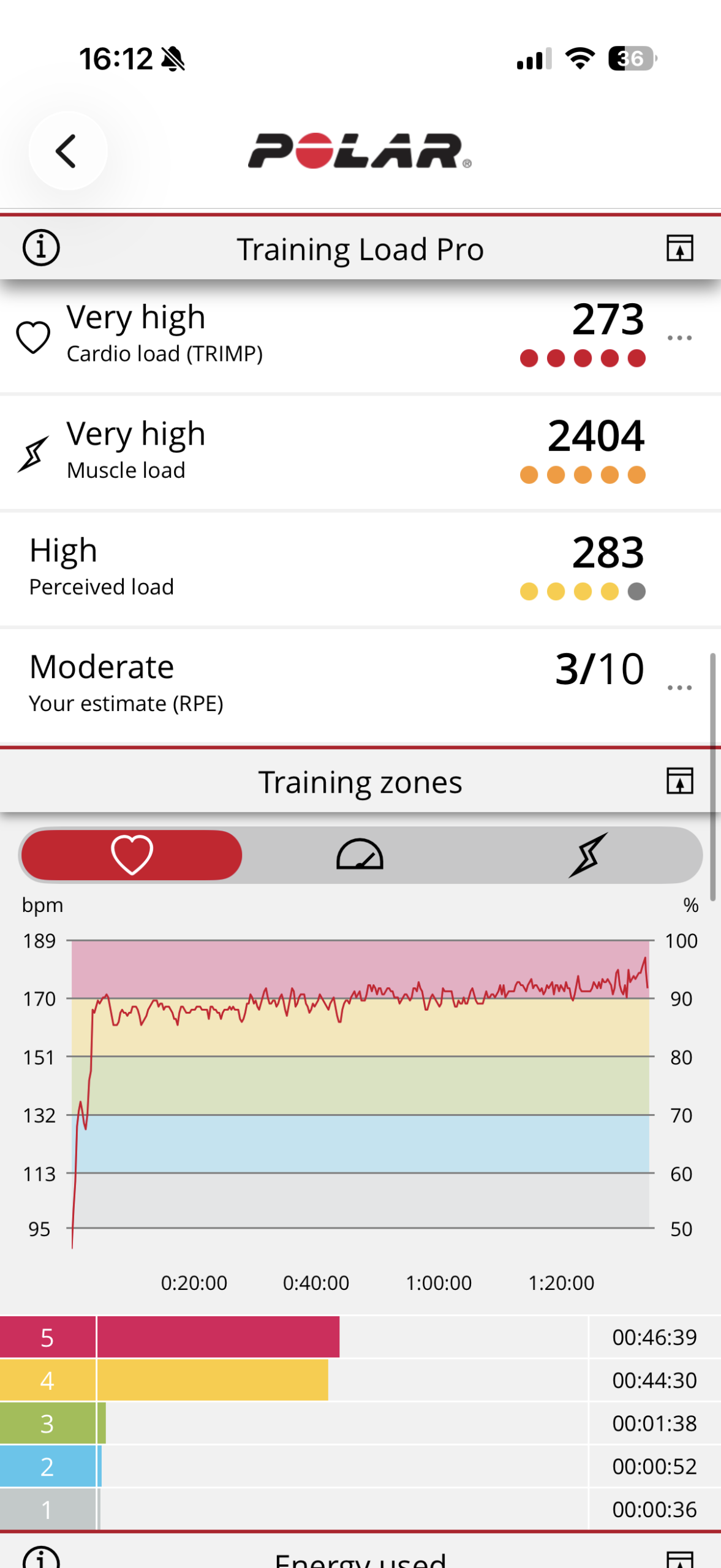
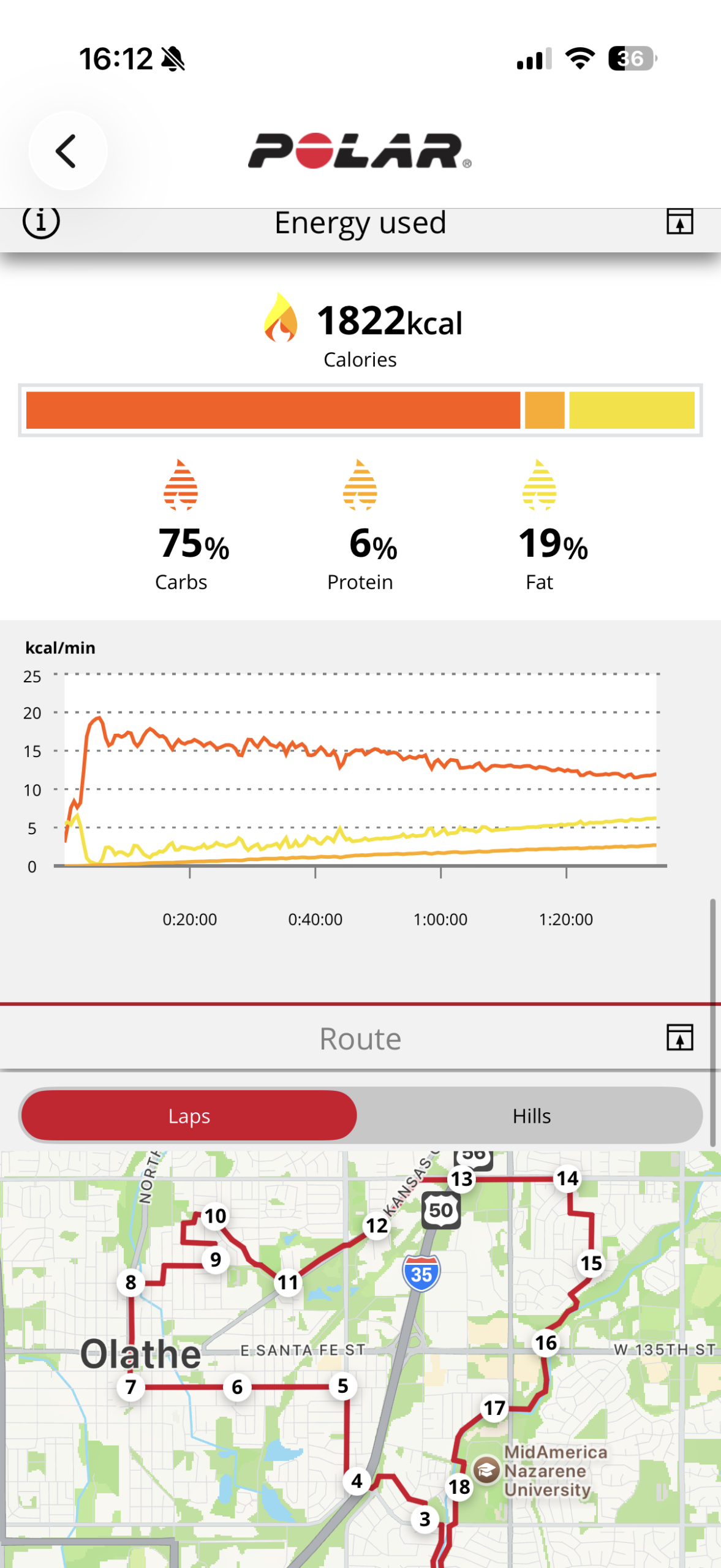
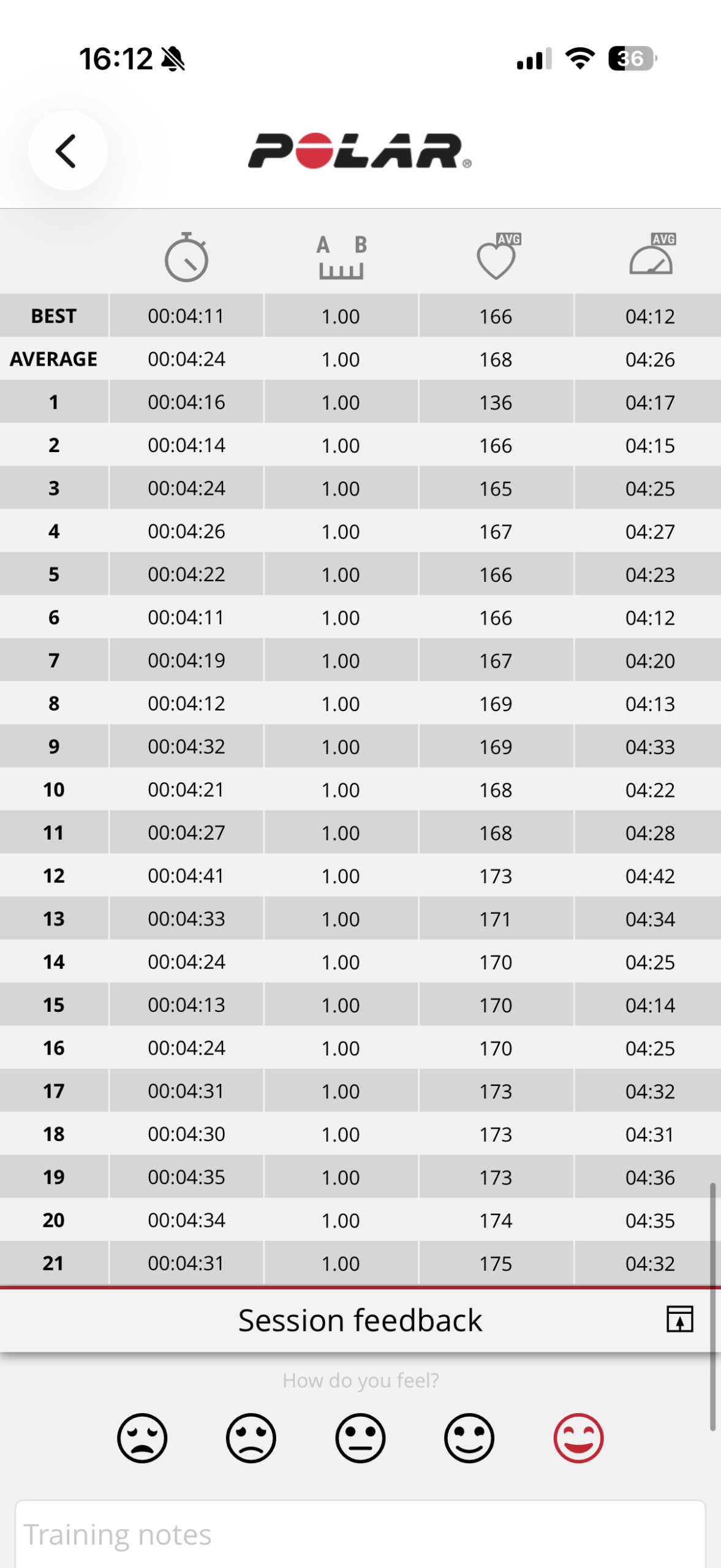
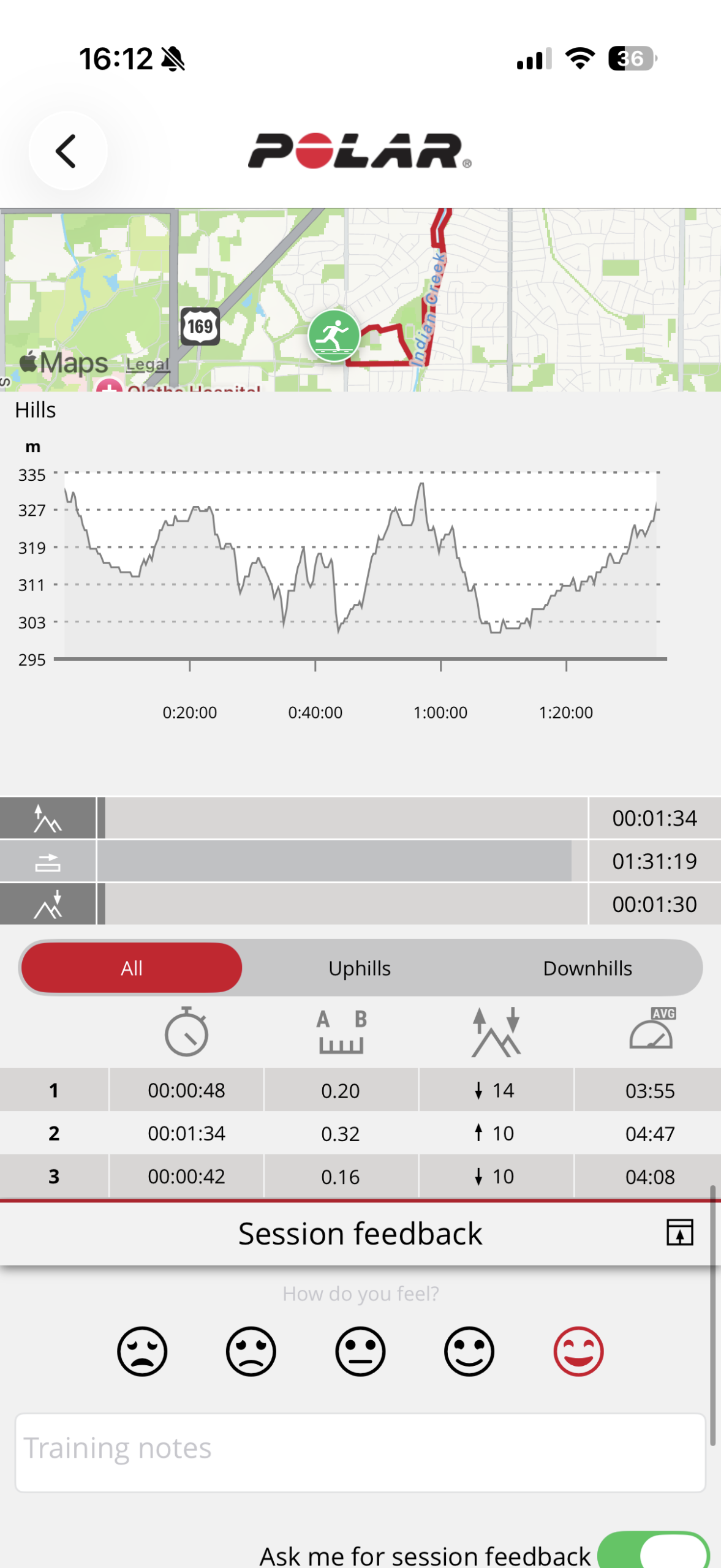
While Polar has been working to revamp its Polar Flow app over the past few months, it all still feels pretty dated.
Nonetheless, going back to some of the training tidbits for a second, the watch will show you the day’s Training Suggestions in a main widget you can easily access (roughly the same level as seeing your steps/sleep data):
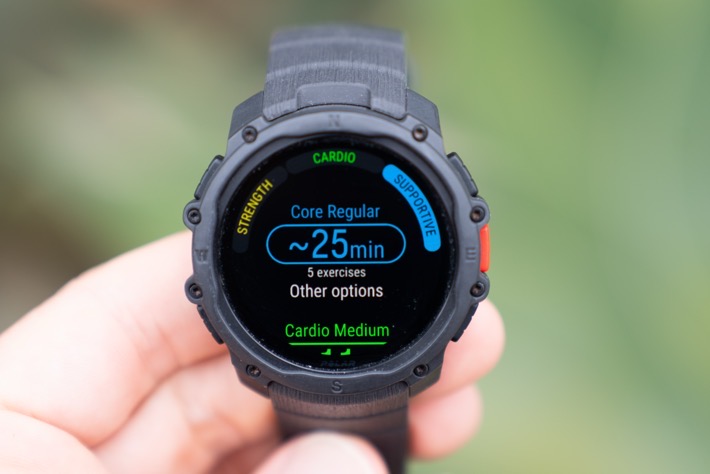
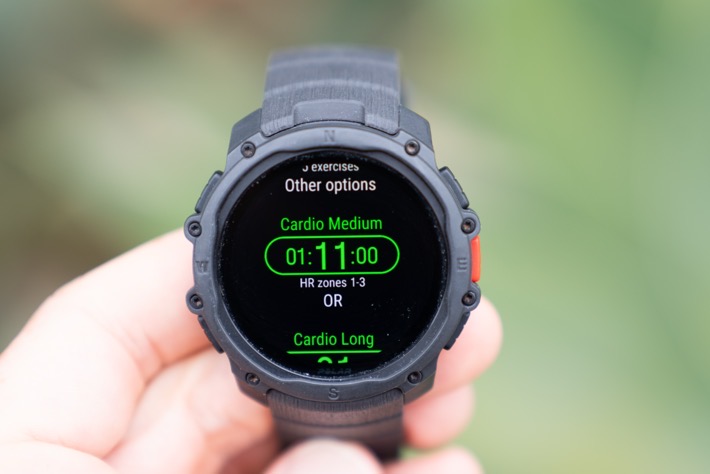
This looks at your recent training and activity (including sleep), and suggests workouts in three basic buckets: Strength, Cardio, and Supportive (e.g., stretching). These workouts change throughout the day. For example, if I just woke up with good sleep it may suggest I do a long run.
Note that it unfortunately doesn’t give exact paces, but rather just heart rate zones. This zone-specific training works in certain scenarios, but feels pretty outdated in 2026 (and has been outdated for years). Most coaches give a blend of zone-training for certain things (e.g. long runs), and pace training for others (e.g. intervals). Having purely super basic zone-based training just isn’t competitive with anything out there today.
Note that after I finish that run, it’ll then suggest I do some stretching instead (or likewise for some strength training).
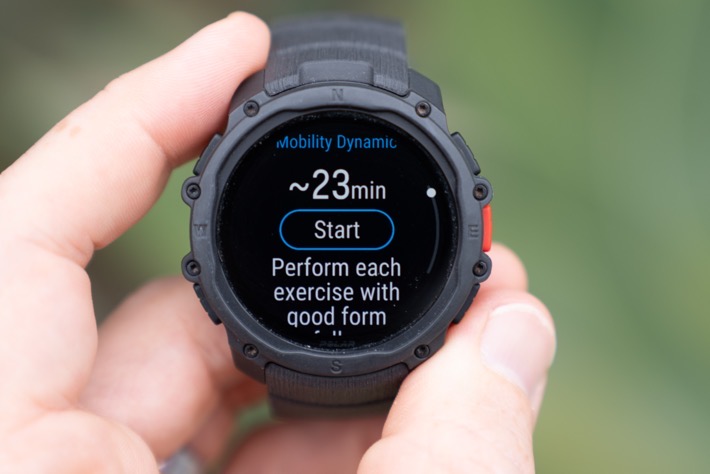
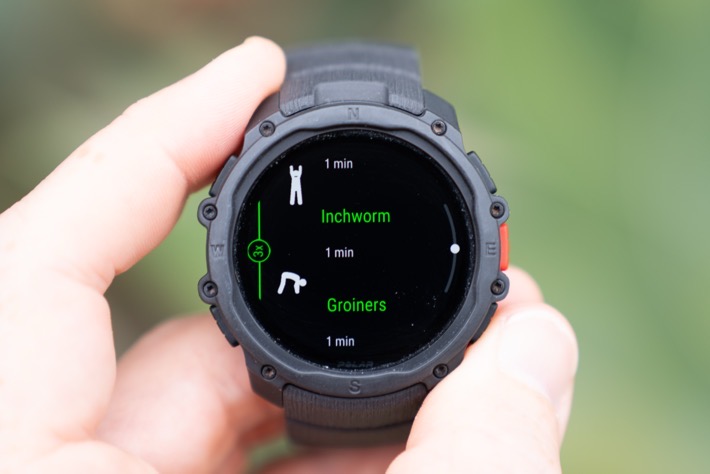
When Polar first introduced this feature 7 years ago (then called Fitspark), it was incredibly innovative at the time. But as time has moved on, especially with the flood of AI-powered apps in recent years (some of which are good, many of which suck), this all feels pretty rudimentary. It really hasn’t changed at all. Other companies are using AMOLED displays like what Polar has to show high-resolution animations of each strength movement, they’re using all your training data combined with your planned races to give you exact hyper-specific interval pacing, and they’re doing it all for free on their watches.
Meanwhile, for training that training load, Polar has its Cardio Load Status, where you can see how your total training load is trending:
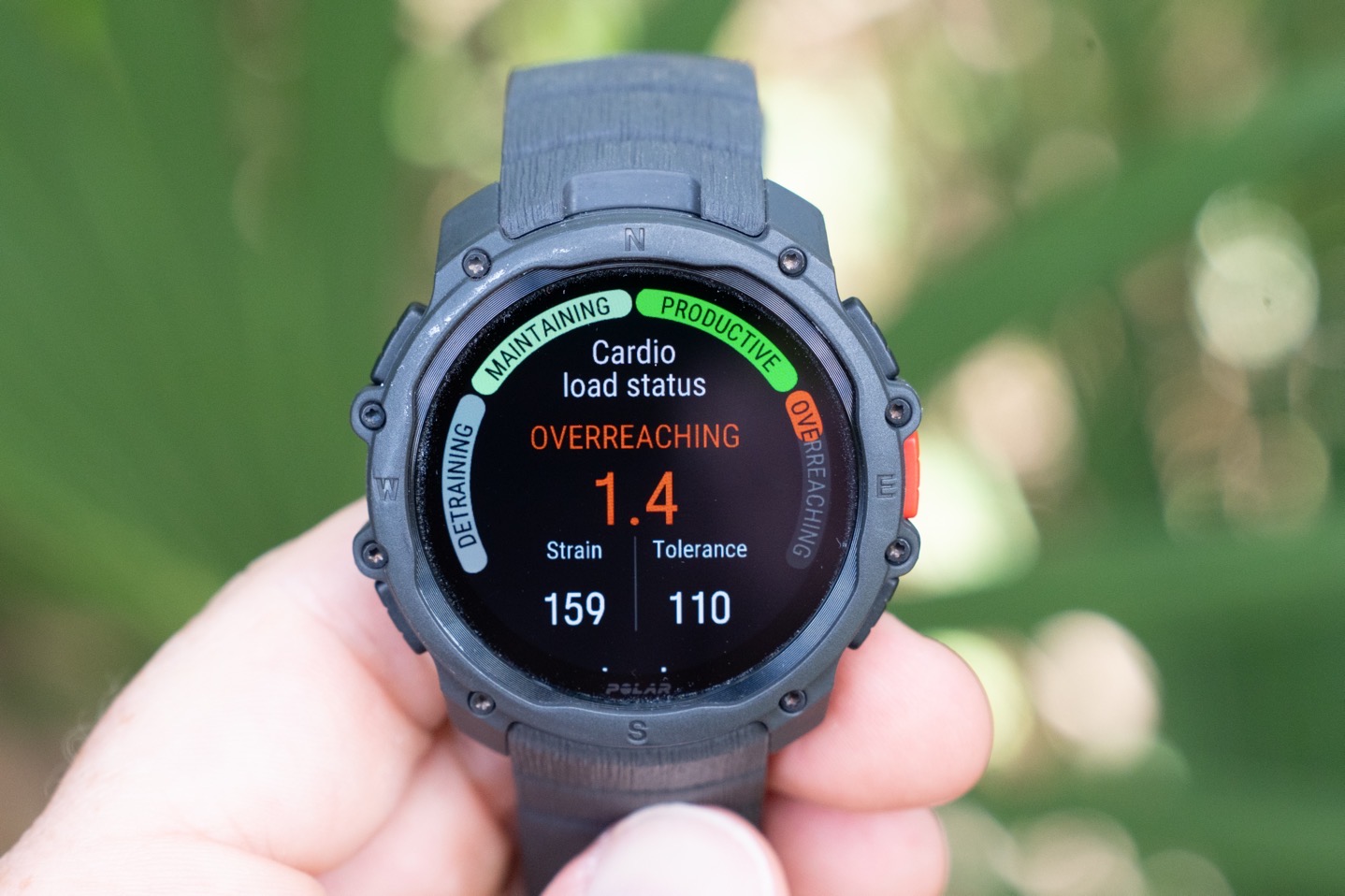
Again, when Polar introduced this back in 2018 (8 years ago), it was relatively on the leading edge of what watches were doing. But here in 2026 it’s half a decade behind what their competitors have introduced earlier this decade. Virtually all of their budget and premium competitors are showing charts that show your training load as it shifts over time, they show breakouts of the type of load, they show projections of race paces, and so on.
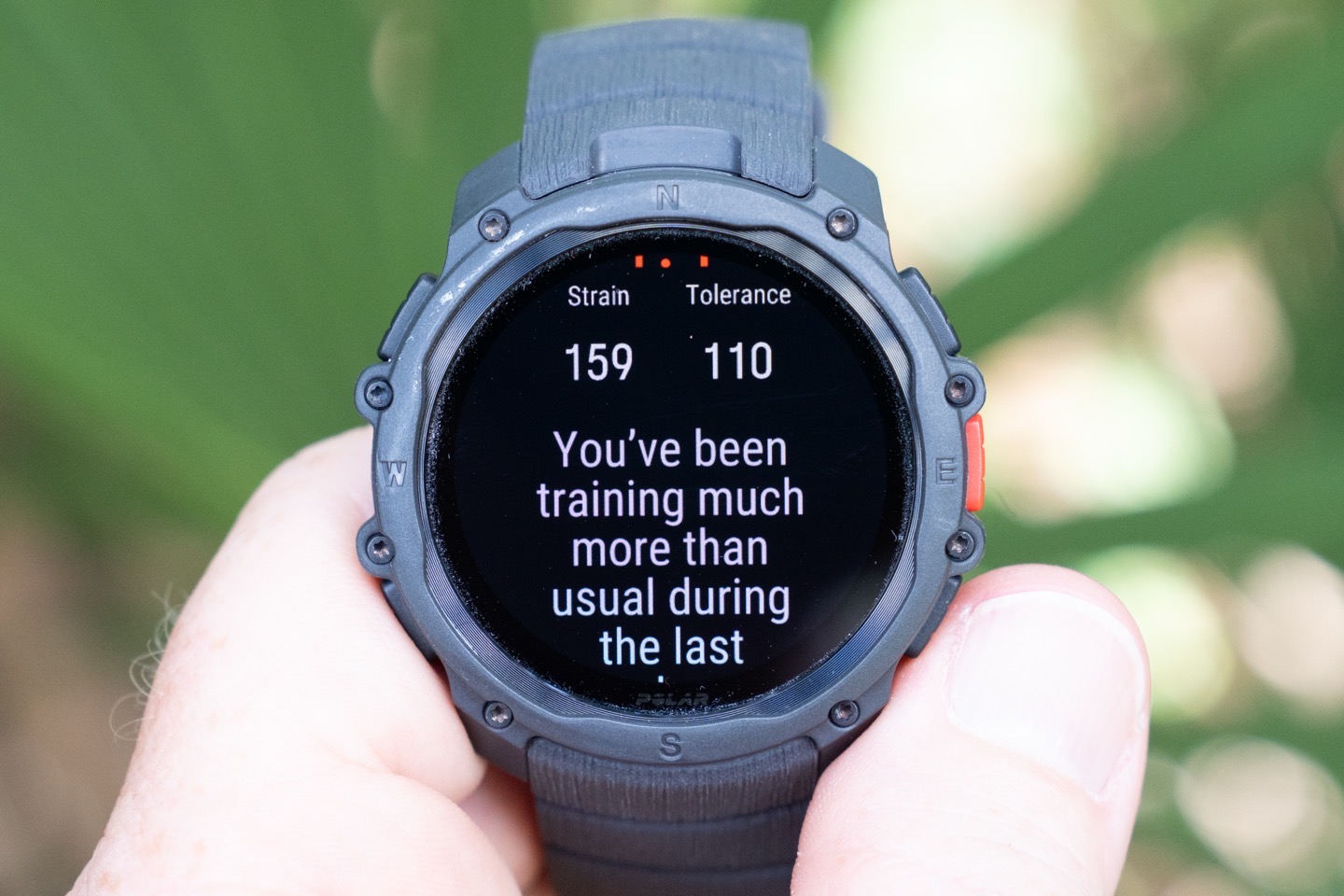
As I write this review, I think the thing that keeps sticking with me is that everything just feels forgotten these days in that Polar software realm. It’s been literal years since any significant new features have hit their watches (beyond mostly minor competitor catch-up features, like adding sleep stages or Find My Phone), especially in the sports realm. All at a time where COROS, Suunto, and Garmin are dropping boatloads of new features each quarter in firmware updates, and companies like Amazfit are doing the same via new budget watches each quarter.
And writing this section specifically, really drove home that point for me. Sure, the basics are there, but in 2026, is the basics good enough when Amazfit offers a gazillion more features that mostly work for half the price?
GPS & HR Accuracy:
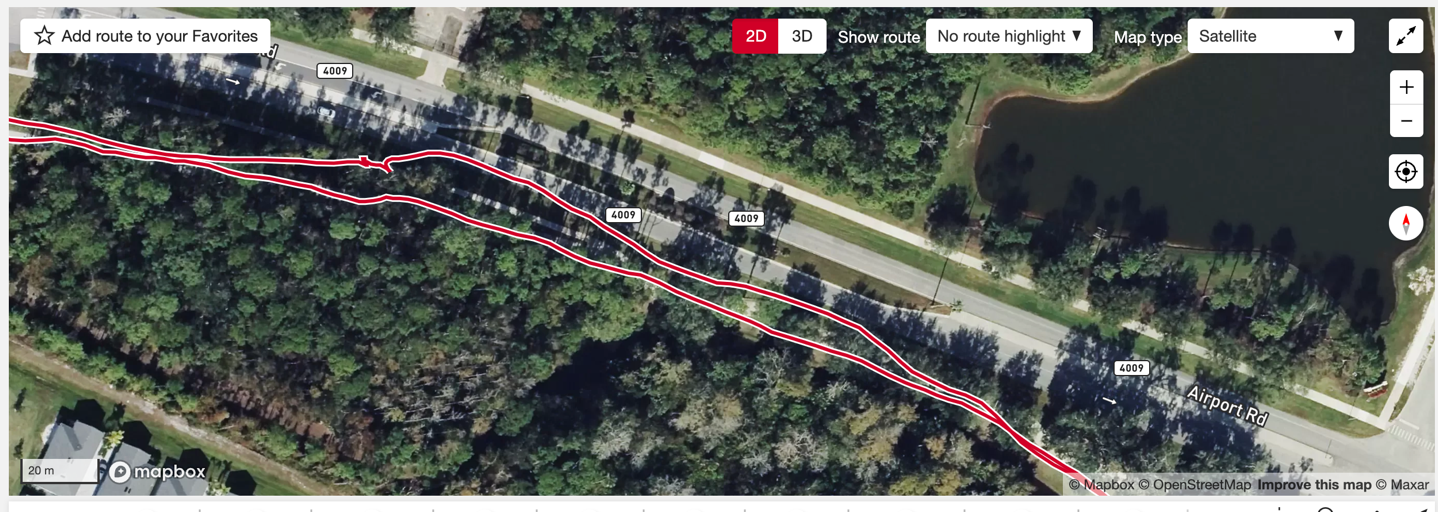
(An example of just how bad the GPS tracks can be, on a simple out-and-back sidewalk run with relatively little tree cover – the satellite shadows make it look dense)
In this section, I’ll take a look at both the GPS accuracy and the heart rate accuracy of the watch, along with a brief look at altimeter (elevation) accuracy. This is done using comparisons to other devices in both it’s category, as well as trusted devices with good accuracy (be it heart rate, GPS, or elevation).
I’ll save you some time reading charts and graphs, however, and note that things weren’t great. In the realm of GPS, I saw the unit consistently struggled on incredibly simplistic, wide-open, straight routes while running. And then for heart rate, it was a highly mixed bag of both good and bad, depending on absolutely no pattern whatsoever. None of which is a good thing for a watch designed for the challenges of GPS accuracy in cities, or variability of HIIT workouts that Polar highlighted in their marketing materials.
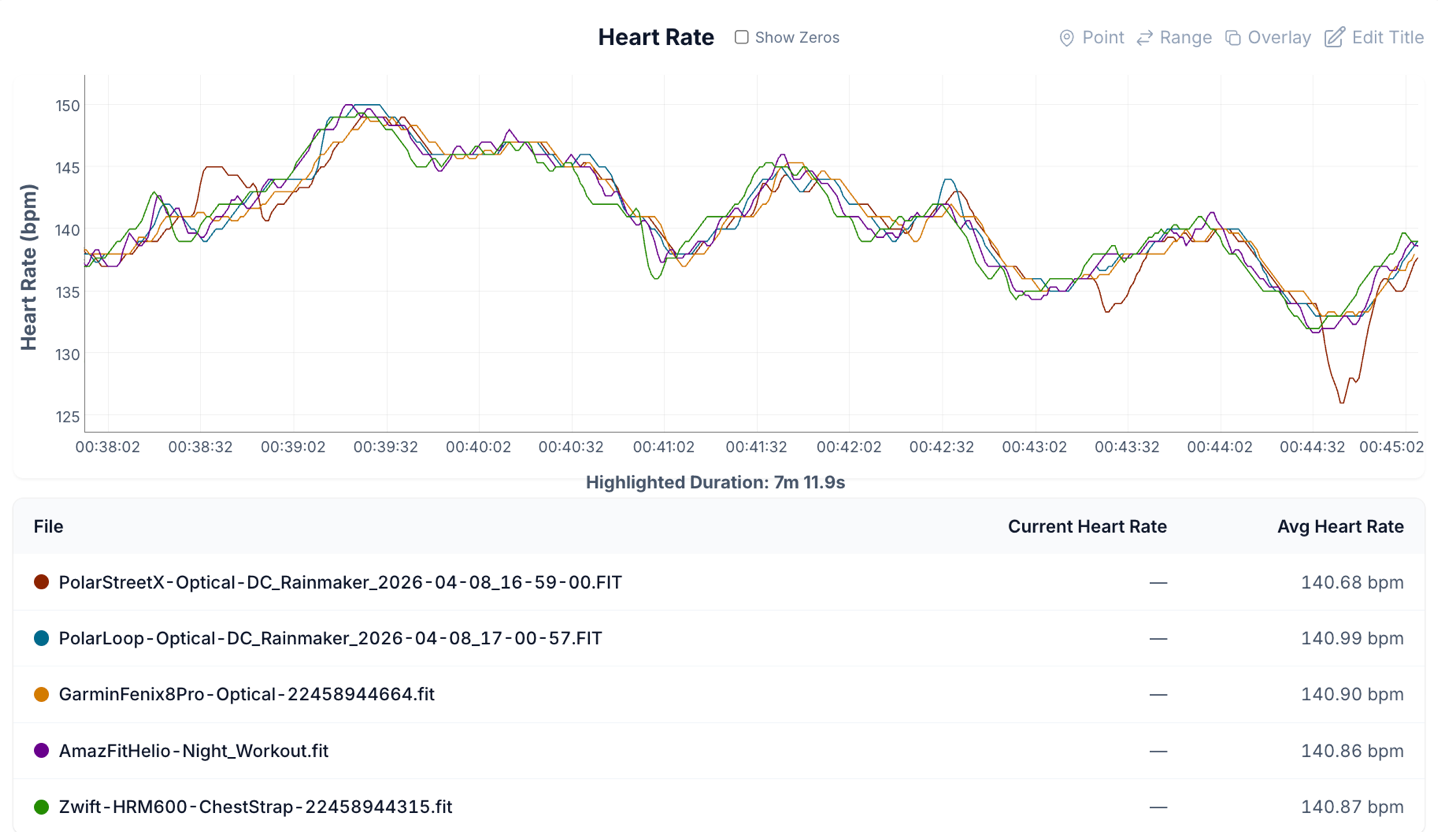
In any event, let’s dive into it. Starting off with this relatively steady-state run, you can see that it handled this mostly well. It’s compared to a chest strap, as well as a slate of other optical HR sensors on my biceps:
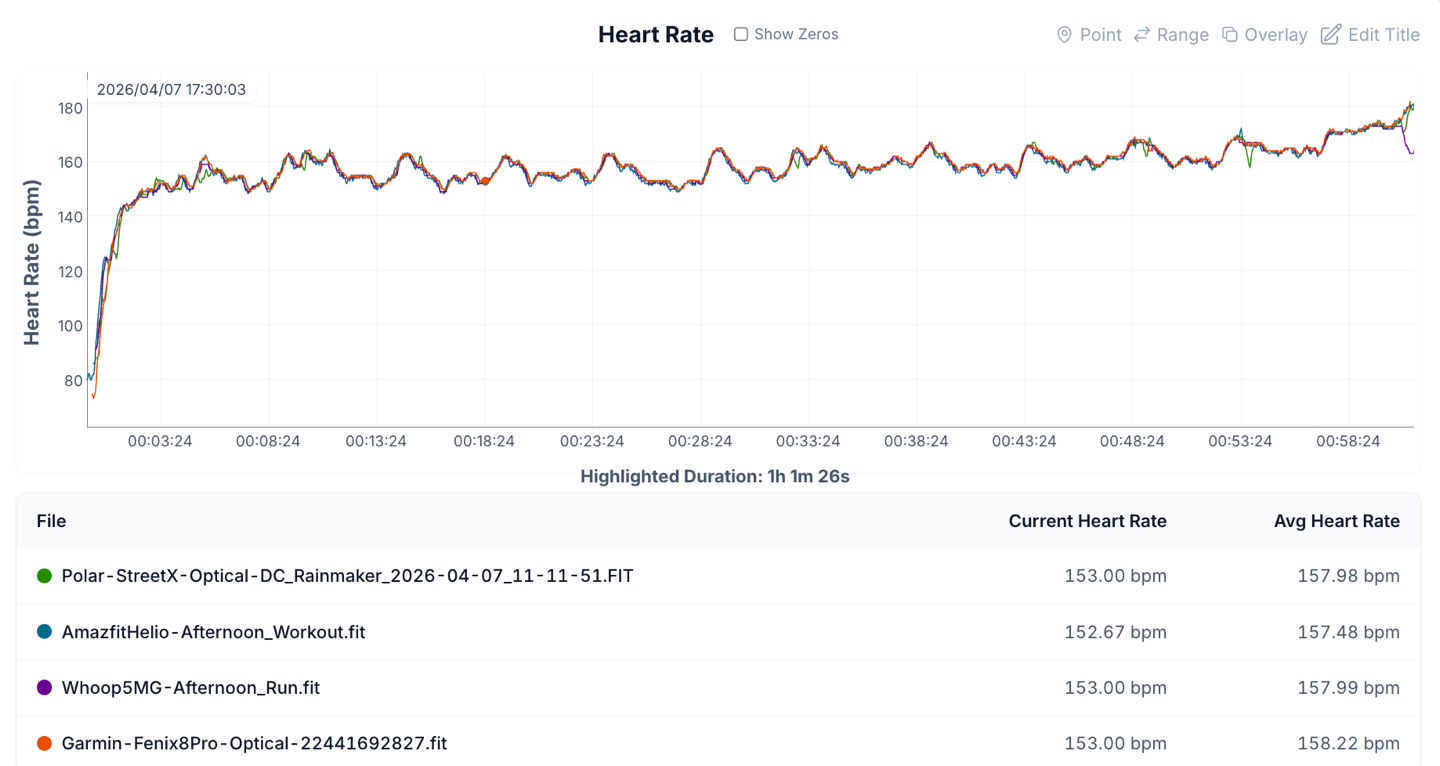
Still, there are bits of weirdness here and there where you can see that green line kinda bump along. This is something I’ve seen for a while on Polar optical HR sensors, it just doesn’t seem to stick the landing as well as others.
Next, let’s look at a more variable run, this one some 800m intervals:
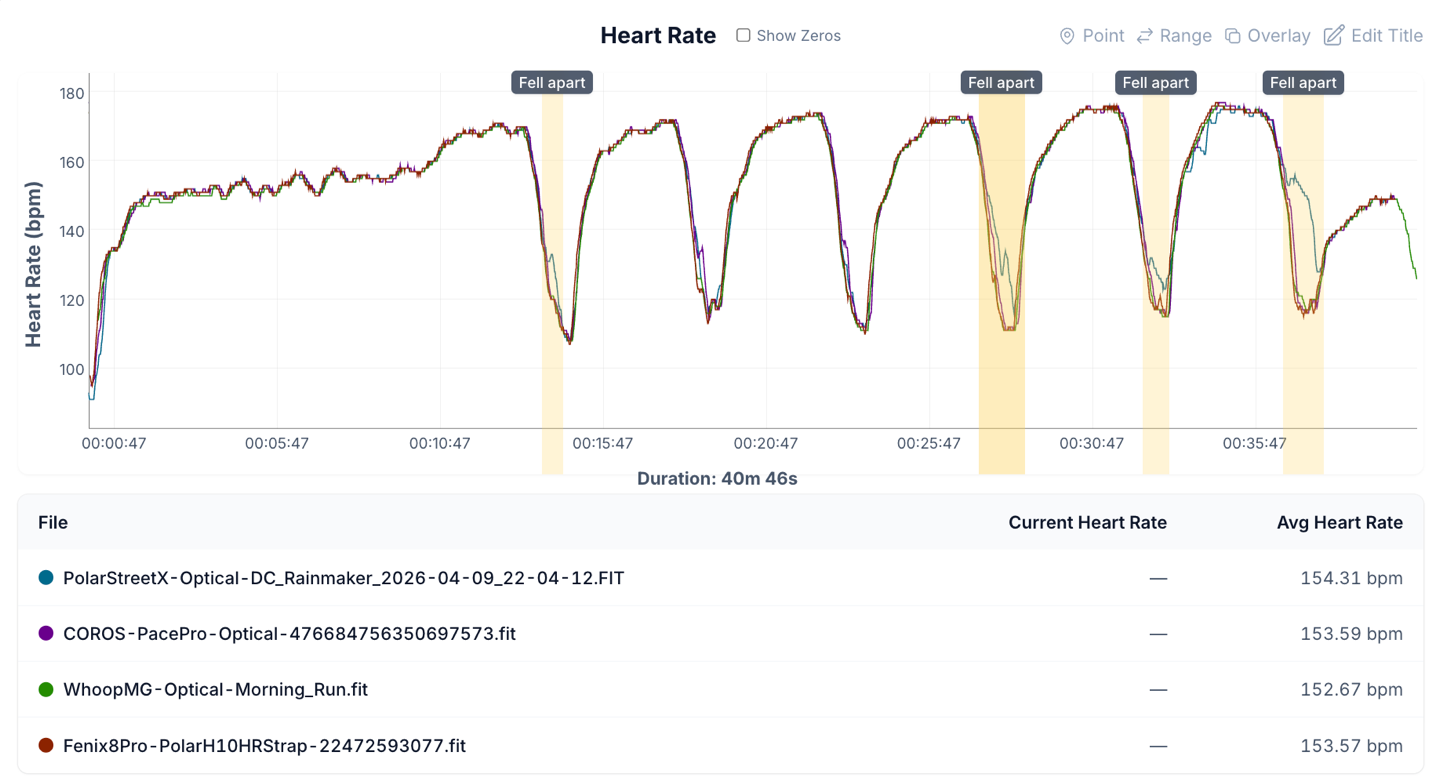
As you can see, it handled the ‘going up’ and top of the interval without issue. But each time the interval concluded it fell apart a bit. Note that my yellow highlighter means that the blue+yellow looks green. Fear not, if you click on the actual set you’ll see it’s the blue of the Street X.
Next, what about an indoor trainer ride? Here’s a ride I did with some intervals, and you can see overall it handled that quite well. Though as usual, it’s worth noting that indoor cycling is about as easy as it gets for optical HR sensors (your hands stay in one place, there’s not road vibrations or foot strike pounding, etc)… Here’s that data set:
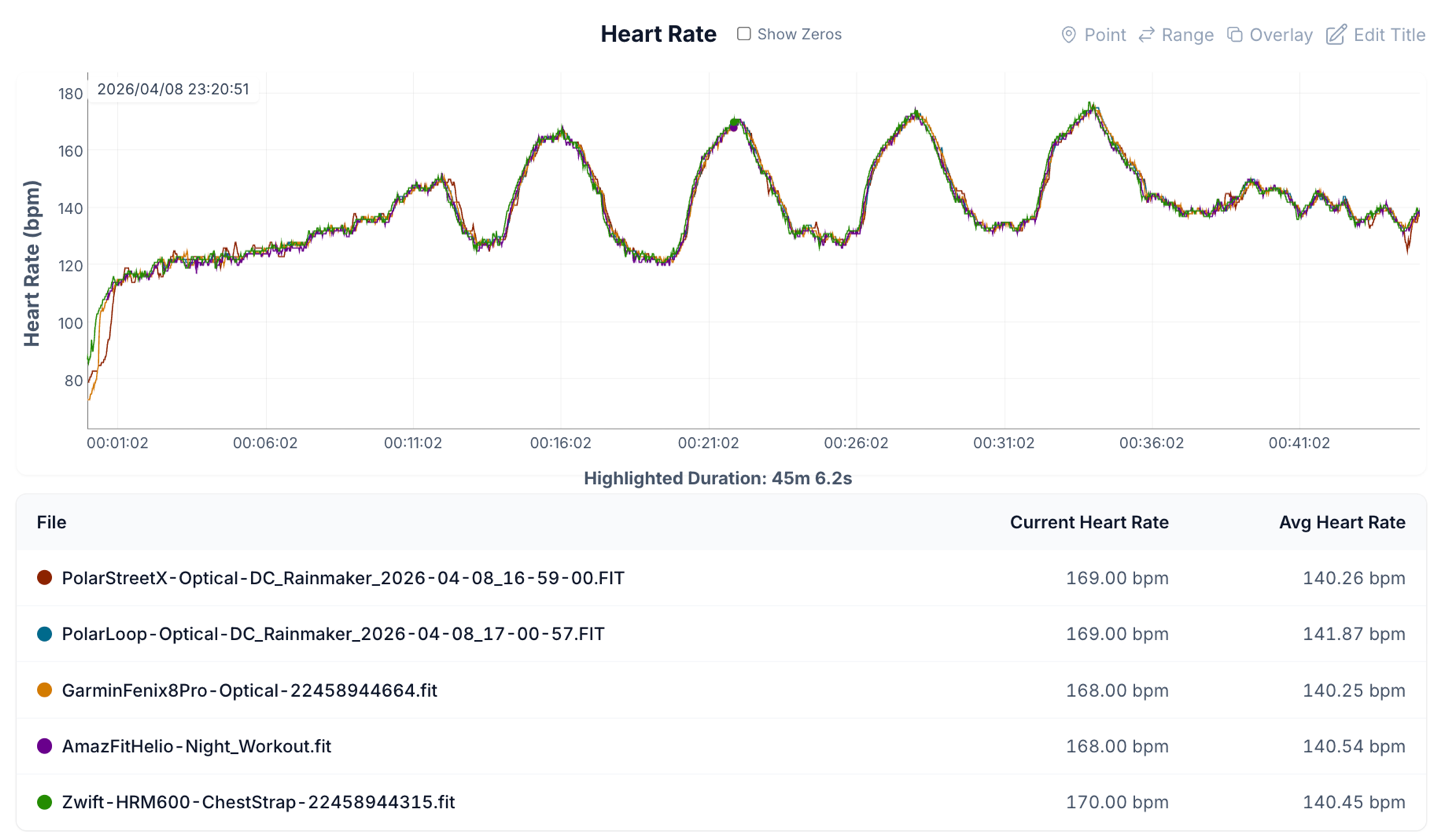
That said, it did have some wobbles that you can see above in the first half, and again towards the end, especially. Just part of the continued ‘always wobble’ aspect of the Polar Street X:
Heading outside on an outdoor ride, we’ll look at this situation. This was supposed to be a simple 2hr ride at steady-state, but then the loaner bike I was on got a flat, and when I went to change the flat, the valve stem separated into the pump. Atop that, there was no tire levers in the spare kit. All of which is to say the entire mess took a while to sort out, as you can see from that yellow section.
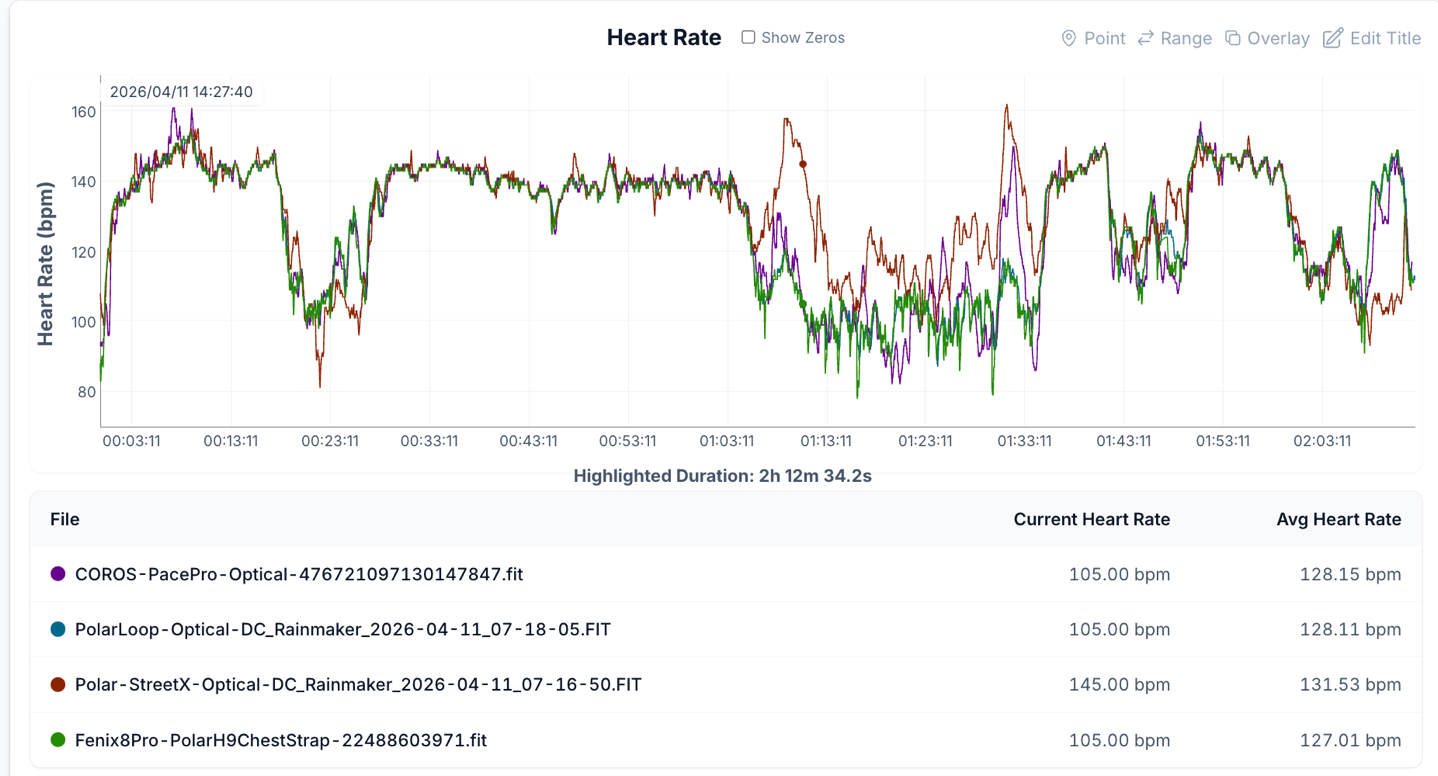
That said, up till that point, it was still pretty variable in terms of accuracy, by far the least accurate of anything there (compared to a Polar Loop optical band, a Polar H9 chest strap, and a COROS Pace Pro optical HR sensor).
But once I started dealing with the flat tire, things went crazy-pants. And look, I’m not usually going to judge an optical HR sensor for how well it handles a tire change. But still, it shouldn’t be *THAT* bad. Sigh.
Finally, one last ride I did, this one into the mountains near where I live in Spain. This includes obviously a long sustained climb section, and then a descent. Here, you can see things did not end well:
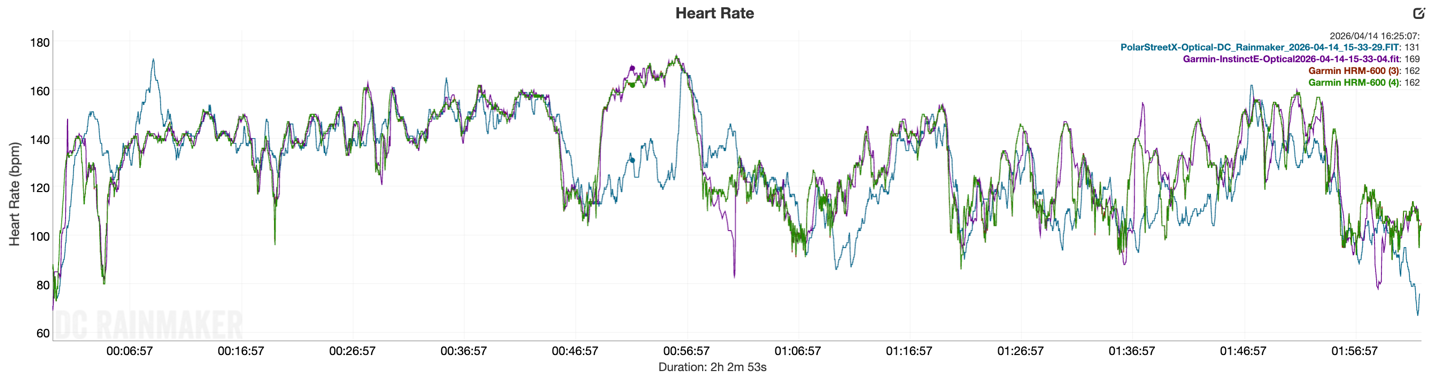
Even compared to the budget Garmin Instinct E (yes, really, the E), which is basically the direct competitor here (albeit MIPS display instead of AMOLED), except in that case the HR is largely pretty good, and the GPS is identical to that of the higher-end Fenix 8 Pro in these conditions.
I guess I just don’t know what to say here, the HR simply isn’t good on the Polar Street X.
So, let’s shift to the GPS side of things. That too is kinda like the heart rate, except arguably worse. Certainly, the unit lacks a mulitband GNSS chipset, but frankly, that’s not the issue. Some other factor is (be it antenna design, software, not paying off the GPS gods…I don’t know). There are countless single-band GPS watches out there that do far better than this (including Polar’s own from a decade ago).
In any case, a simple run on a sidewalk with virtually no meaningful tree cover in a very straight line, and the Polar Street X is…well…all over the street. First up, at a high level, it might look fine:
But, the moment you zoom in, you see the issues in that green line just meandering constantly.
Sure, the other units might be off a meter or two here and there, but Polar is consistently off by considerably more:
This should be the easiest possible run. There’s literally nothing above me except sun, yet it’s consistently wandering and wobbling its way down the path. And this has been a common theme over and over again.
For example, here’s another run, this one some intervals, not that it matters, but you can see the Polar Street X track is consistently…well…inconsistent:
Or another one here:
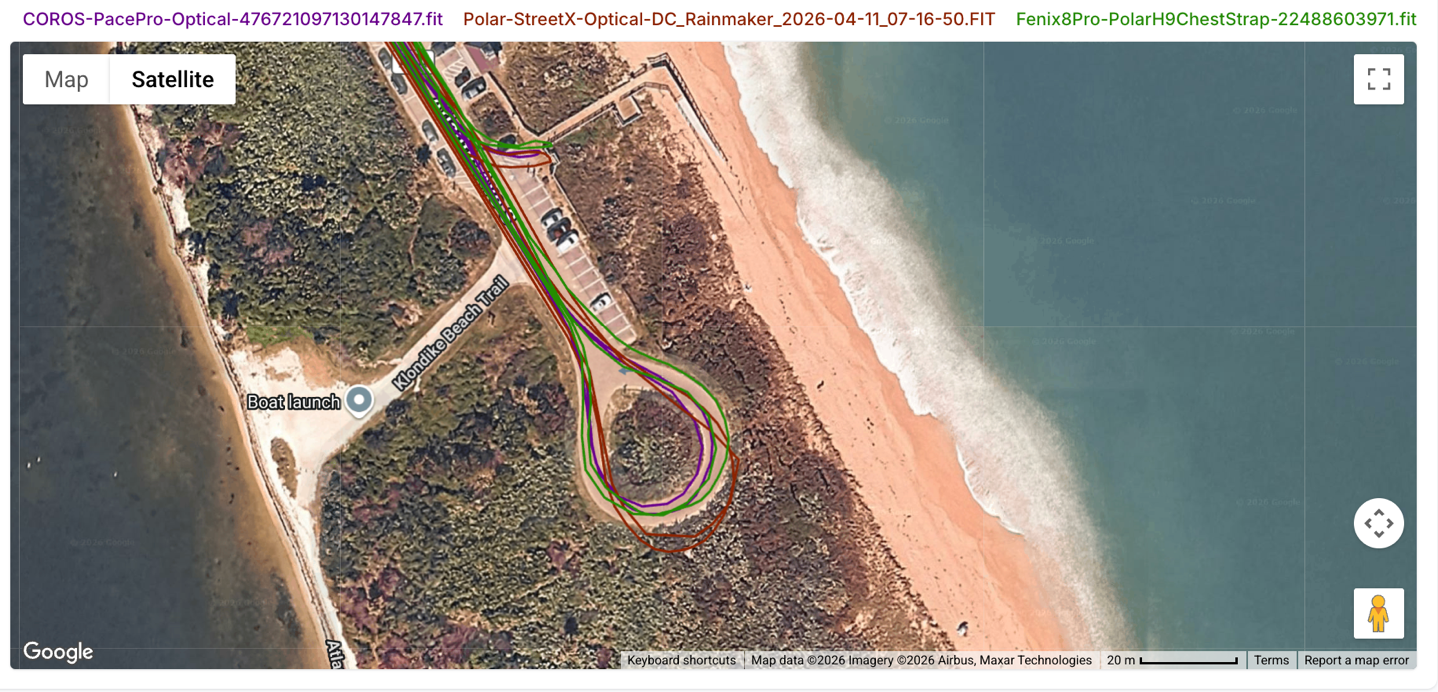
Here’s another run, this time in the jungle/trees. This is an out and back, and certainly, there’s a bit of variance between the out/back tracks on both the Garmin Fenix 8 Pro & COROS Pace Pro. But if you look at the Fenix for example, the out/back track is almost identical to itself. The COROS does vary a bit more around one of the turns. That said, the Polar Street X takes the cake when it comes to wobble-factor and each direction being totally different. Here’s the non-satellite view:
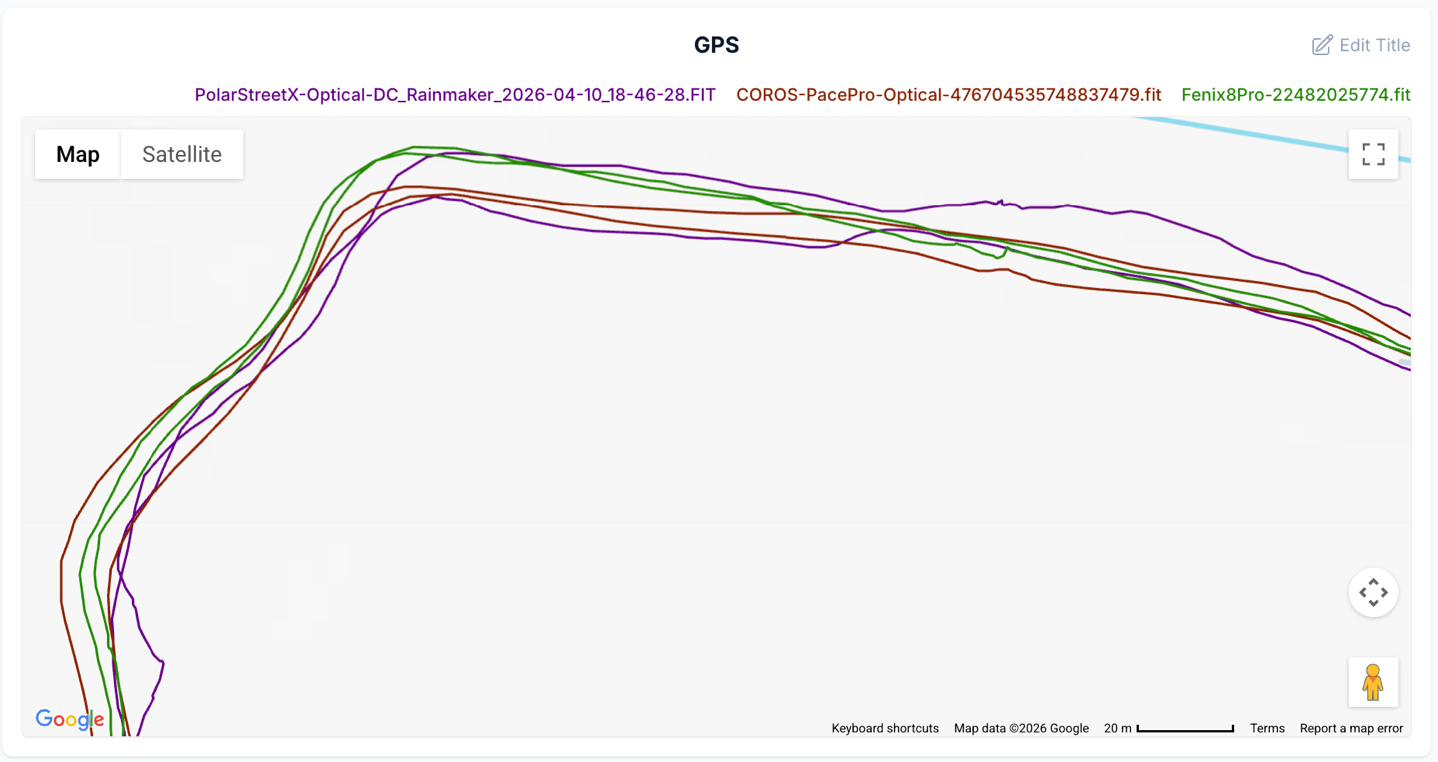
And then here’s the satellite view:
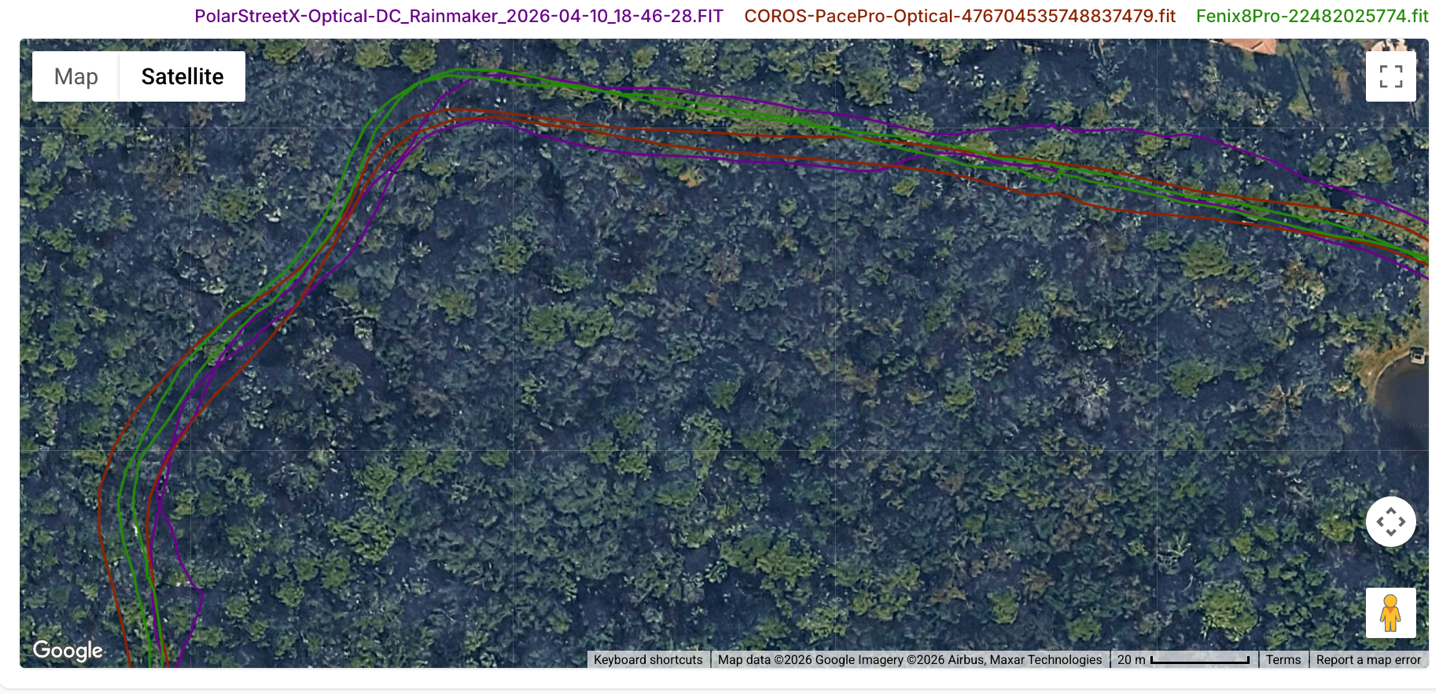
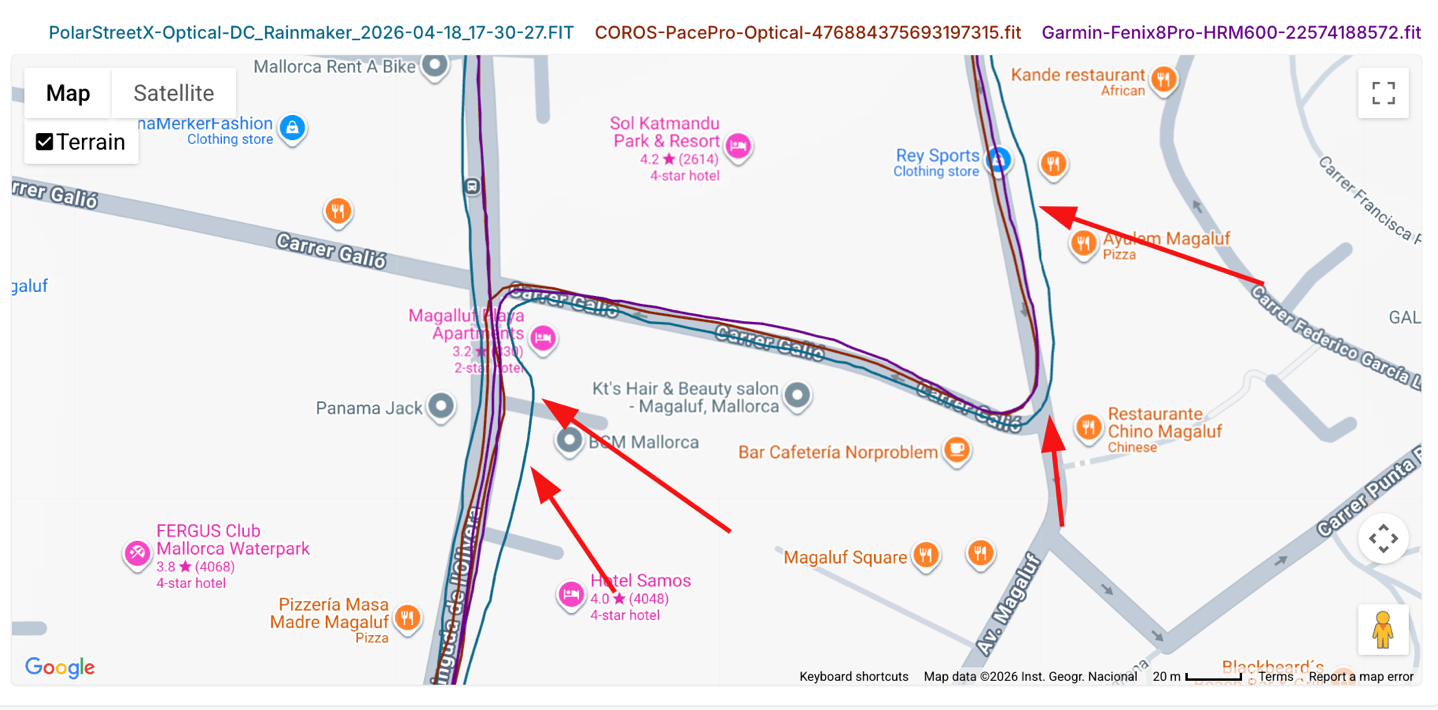
The same applied to a recent half-marathon I did back in Spain, where in light city coverage, it was just everywhere. These were typically 3-5 story buildings, with a few taller ones. For a watch marketed at the ‘urban athlete’, it’s really not good there (and this just shows a few random street corners, out of many missed streets/corners):
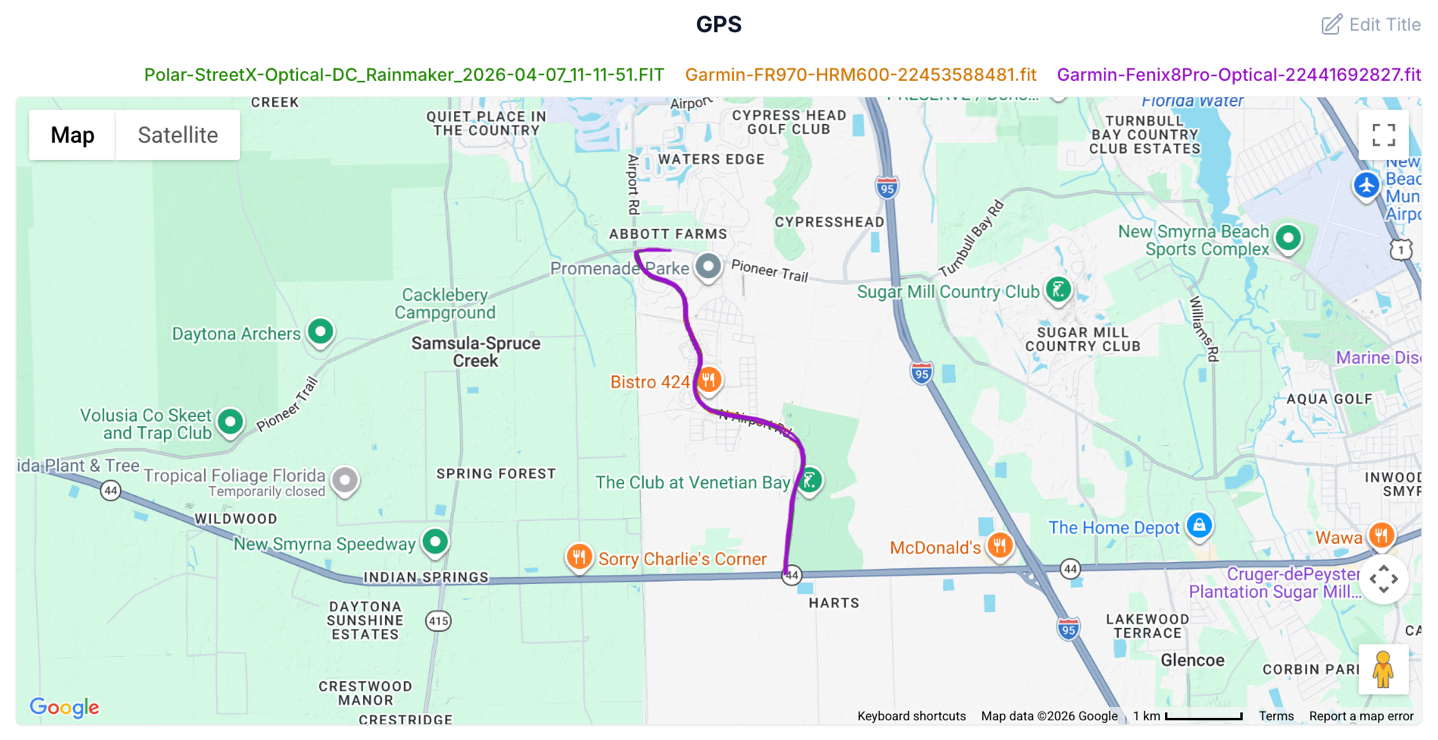
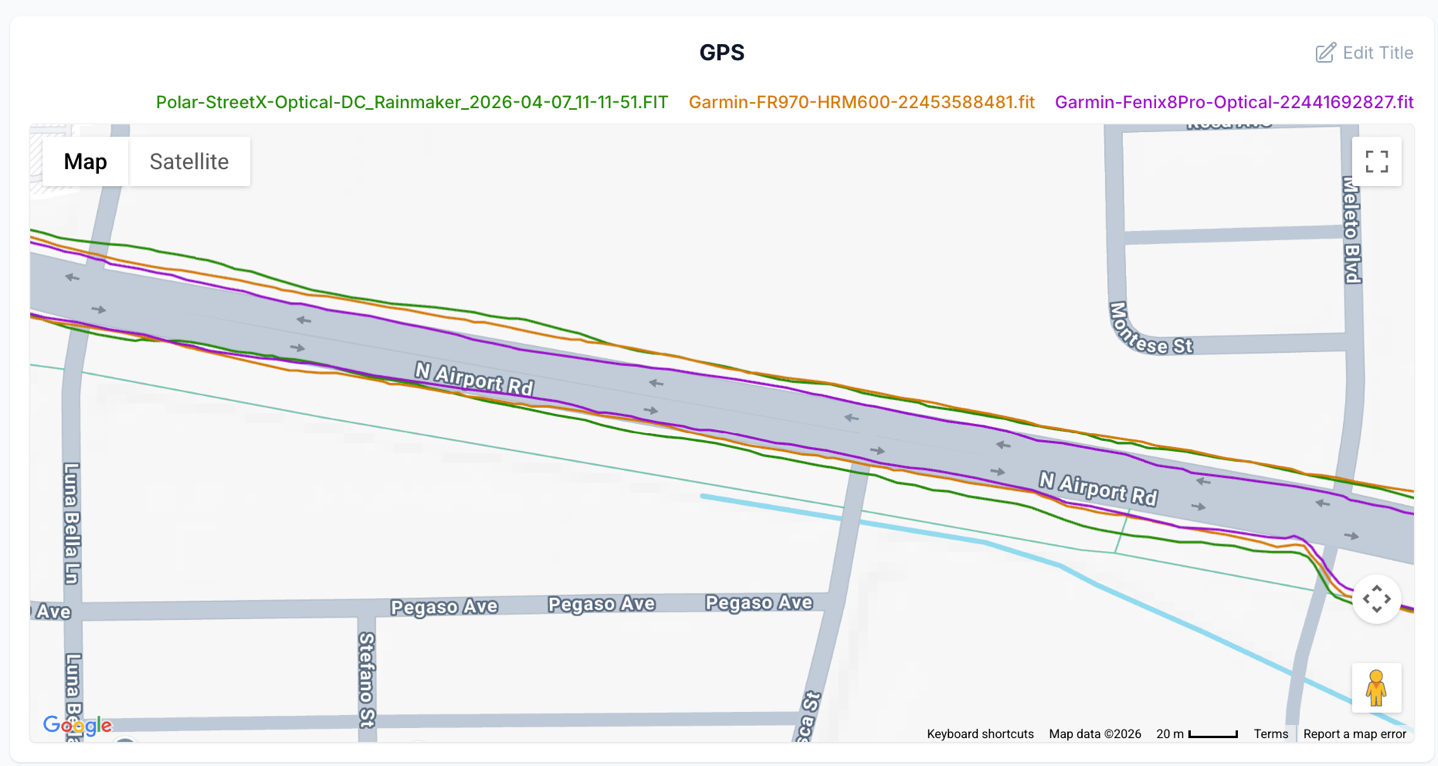
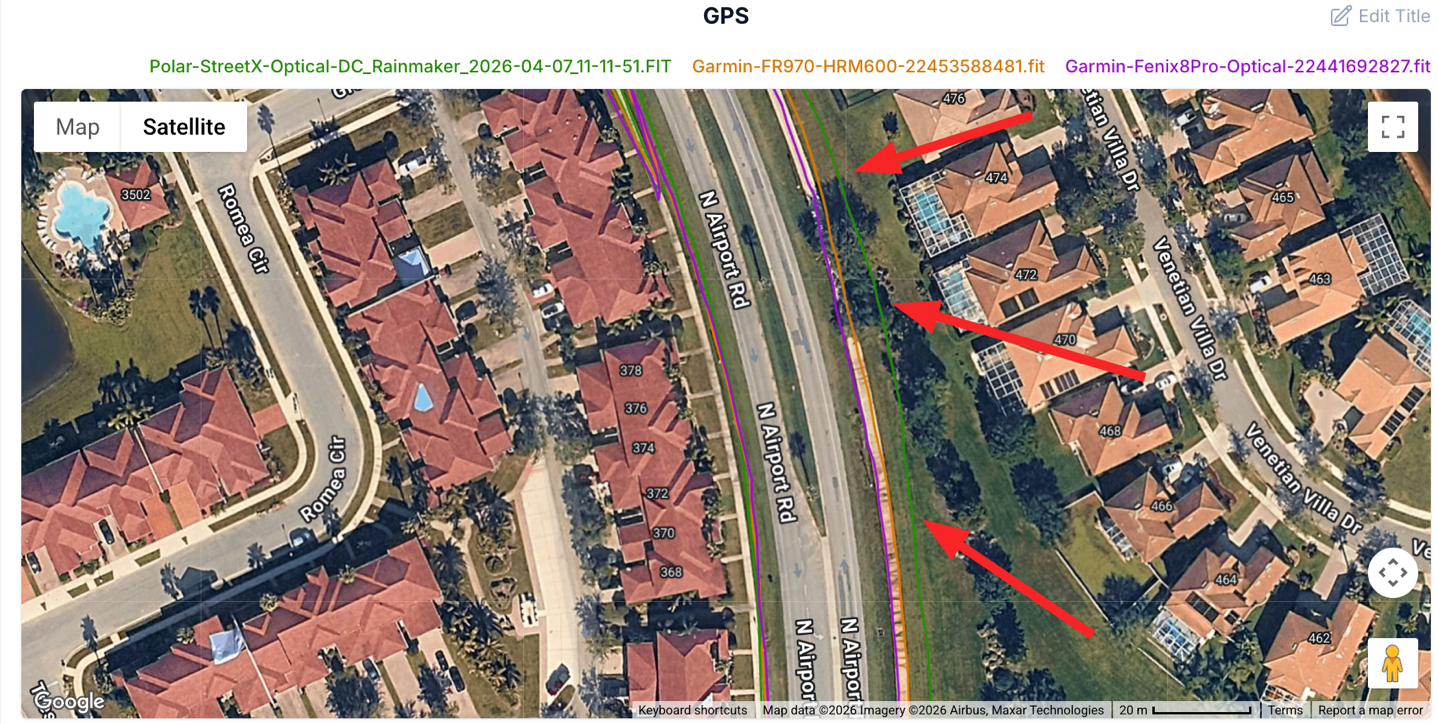
Meanwhile, over on cycling, this first route is as straight as they get, and at a high level, it looks OK:
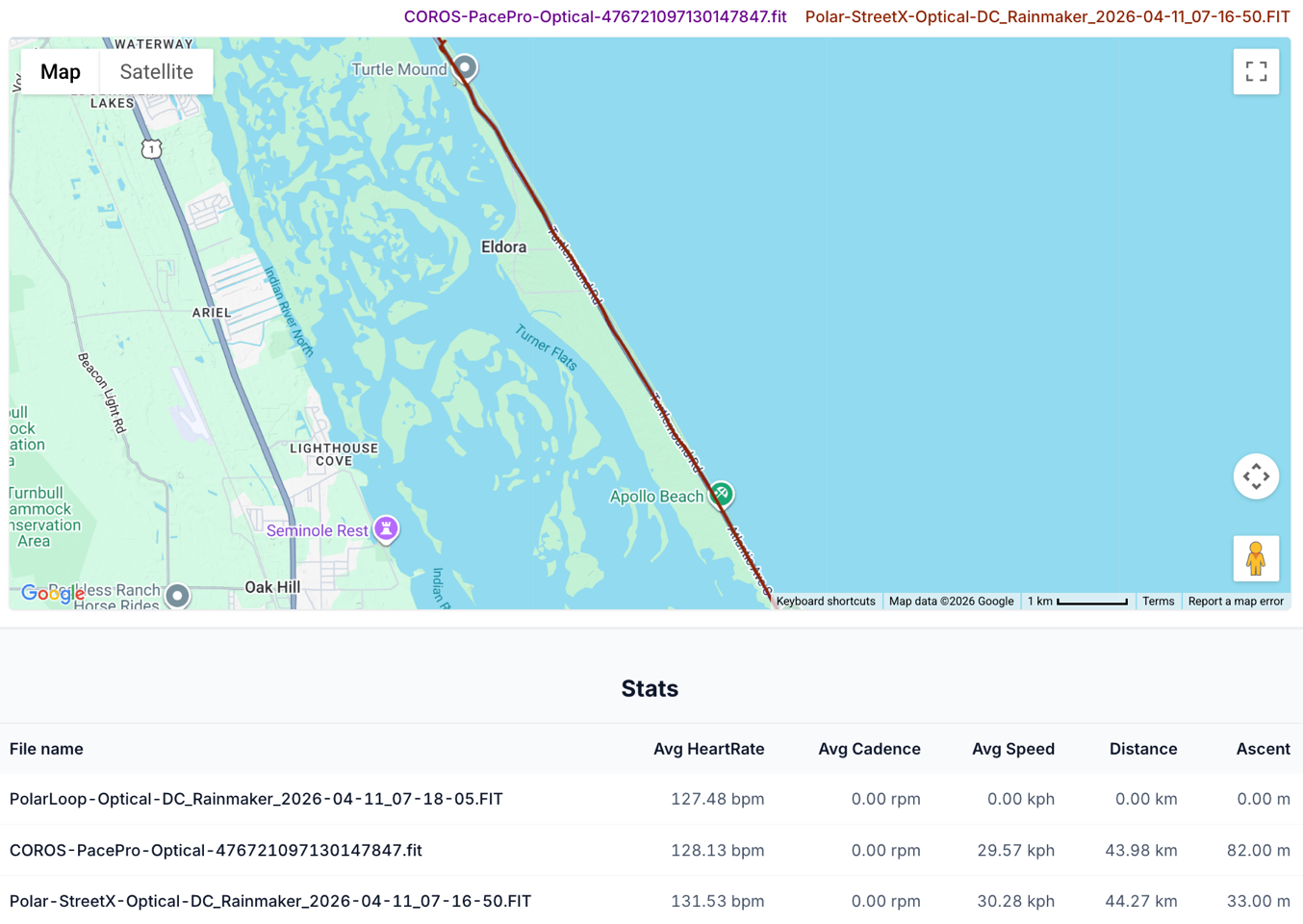
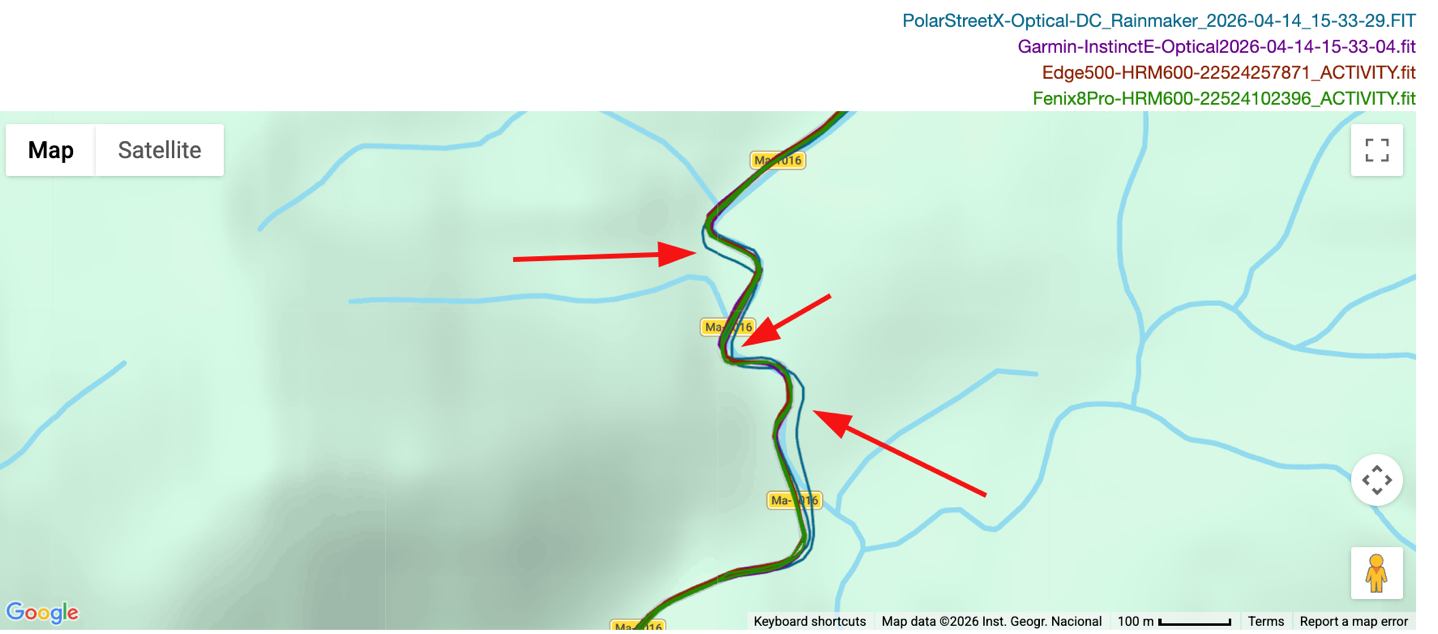
And for the most part, when zoomed in, it is OK. It’s a perfectly straight road at moderate cycling speed. But the moment I had a single turn (the only turn)? It went into the bushes:
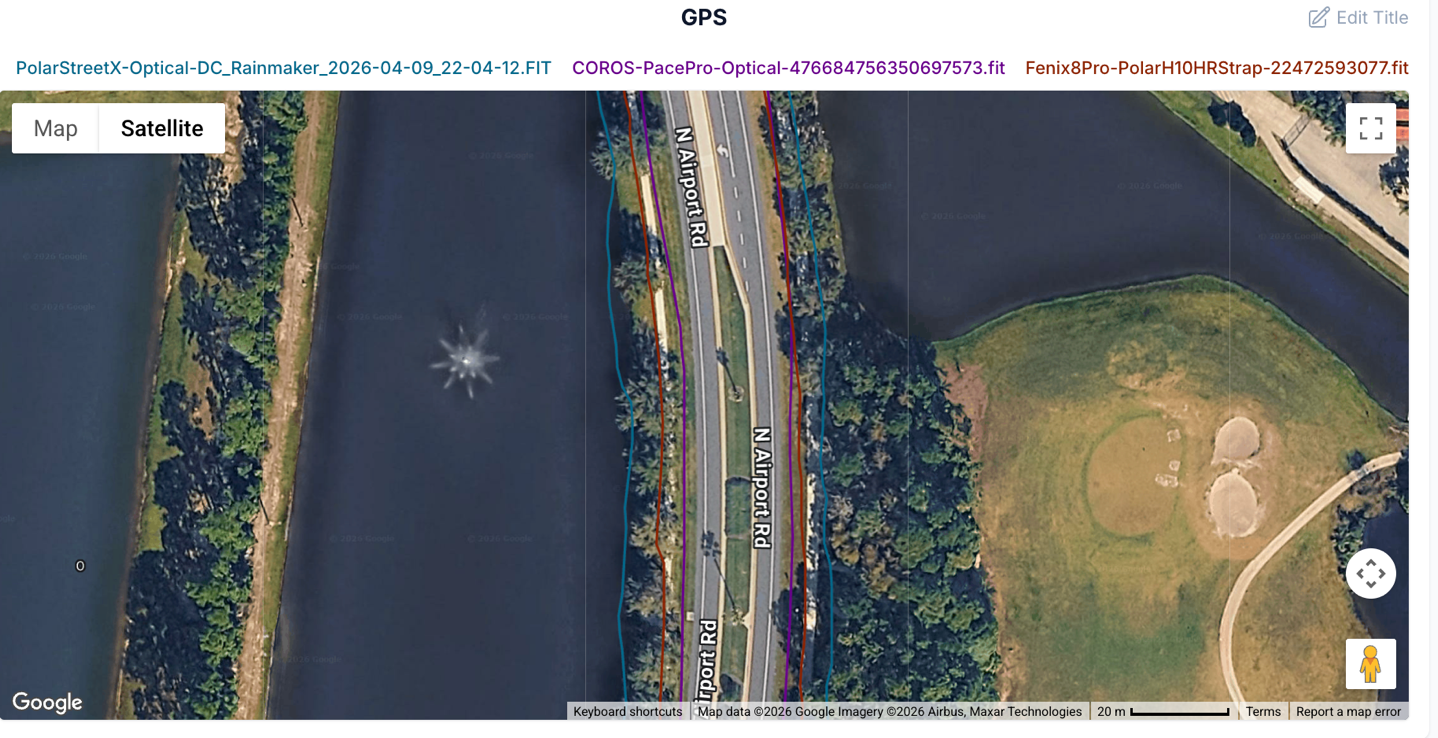
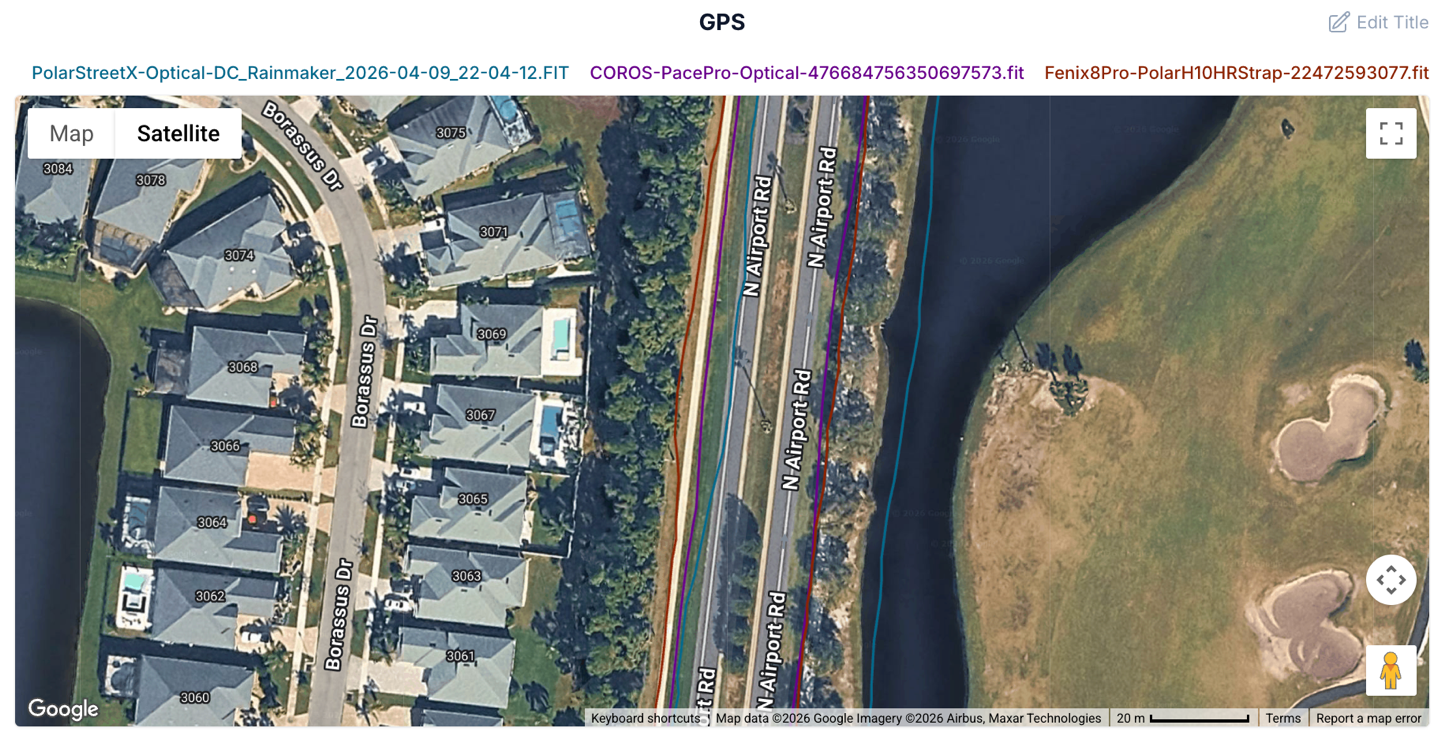
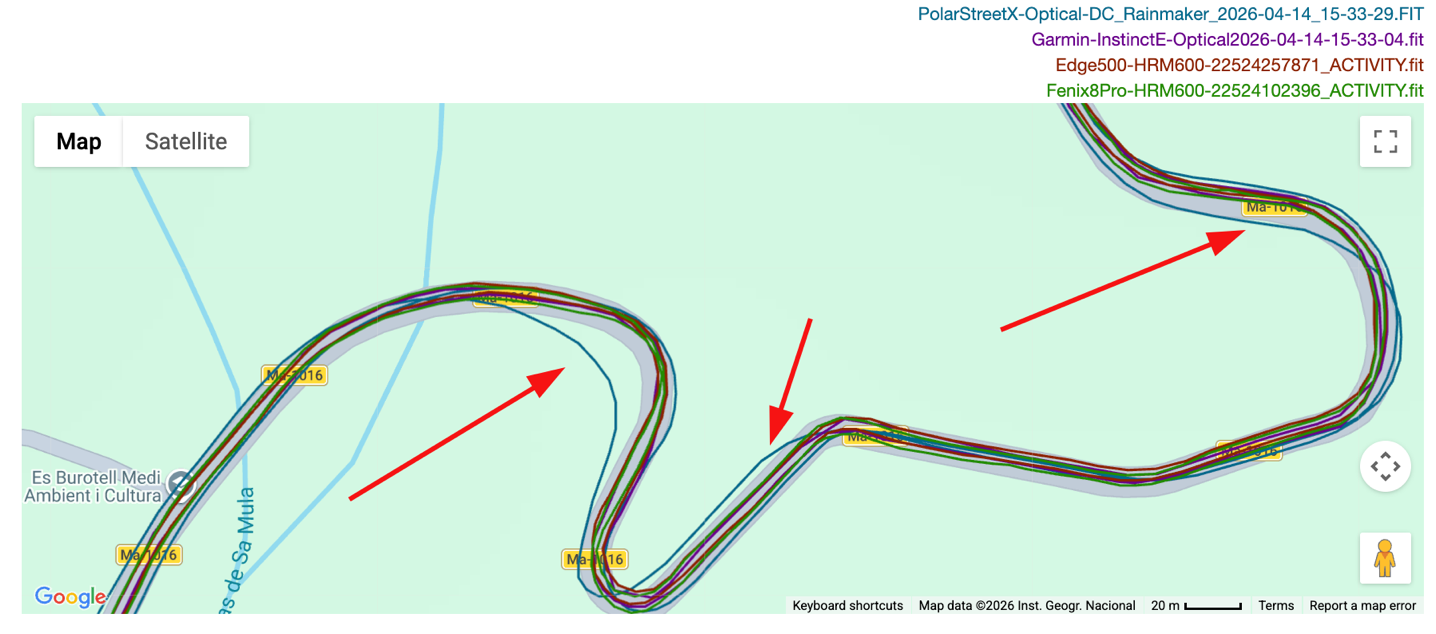
Next, up in the mountains (road-riding), it was similar. When you were going straight it was fine, but the moment a turn was involved, it basically went off the road. And again here, it was beaten by the older budget Garmin Instinct E.
Beaten by the Instinct E is a special kind of honor. That’s a watch that (probably entirely unfairly) is the least liked watch in the entire lineup…and yet here we are.
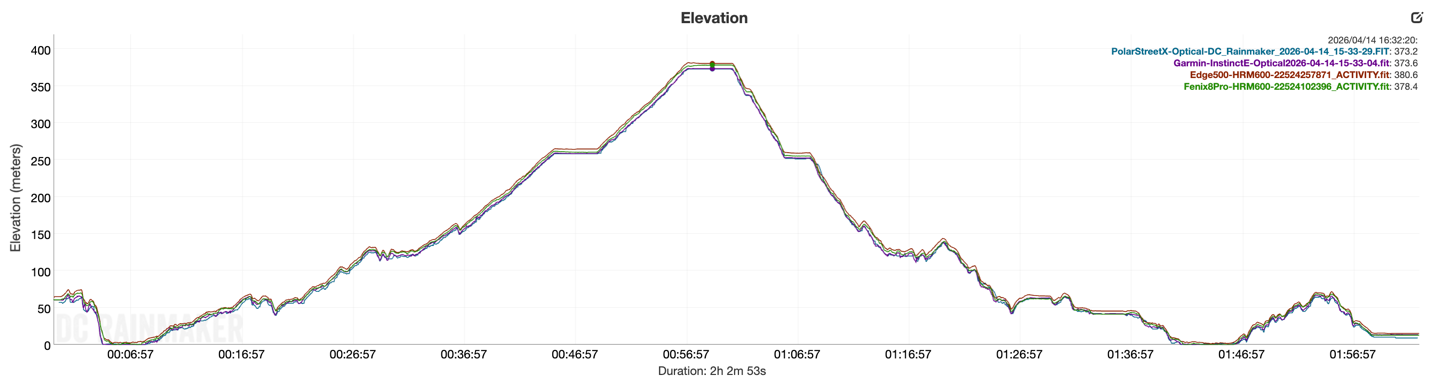
If there’s any bright side, the elevation profiles for all my runs and rides have been perfectly fine. So at least the altimeter is working fine. Here’s an example from that road cycling into the mountains:
Ultimately, though, the GPS & heart rate accuracy on this unit are not good. The GPS is one of the least accurate models I’ve tested in the last year, and certainly the least accurate Polar model I’ve tested in a long time. And likewise, the HR while not horrendous running, is pretty bad cycling. Ultimately, it’s just too bad Polar is really struggling in this area, for a watch aimed at athletes.
(Note: All of the charts in these accuracy portions were created using the DCR Analyzer tool. It allows you to compare power meters/trainers, heart rate, cadence, speed/pace, running power, GPS tracks, and plenty more. You can use it as well for your own gadget comparisons, more details here.)
Wrap-Up:
The Polar Street X represents an interesting choice for the company. On one hand, Polar finally seems to be understanding that pricing is everything when you aren’t the market leader. This unit is priced incredibly well, both generally speaking, as well as compared to their competitors with Casio-like styling/designs. Likewise, the inclusion of a flashlight in the watch is very much appreciated. Kudos on getting that done. Same goes for making something that doesn’t look like the rest of their watches, as others have shown – variability in looks/design can be key to attracting different/new buyers.
On paper, I was very excited for this watch. But once I started using it, I’m kinda mixed/lukewarm. The subpar and struggling GPS accuracy in the real world makes it super challenging to recommend generally, let alone for the ‘cities’ that Polar envisions. While one might initially blame this on using a single-band GPS chipset, the reality is plenty of companies easily use single-band GPS chipset with far greater accuracy than Polar does here with the Street X. Multiband vs single isn’t the issue here. Meanwhile, when it comes to heart rate accuracy, the unit just randomly struggles with no obvious correlation to complexity. Again, this makes it really challenging to recommend to more difficult heart rate scenarios like HIIT, etc…all of which Polar highlights as being targets for this watch.
But the biggest challenge I have is simply Polar’s non-existent track record the last few years on new features via firmware updates. In a time where COROS, Suunto, and Garmin (and even Amazfit to a recent degree) have really ramped up with major sets of quarterly updates, Polar is mostly adding in table-stakes features that were common years ago. Yes, they are appreciated for existing Polar users, but none of them are new to the industry, and virtually all of them are already on their competitors’ watches.
However, even more challenging is that there seems no real urgency on Polar’s behalf for either getting their app revamped/finished, or shifting to a faster release cadence for firmware features. There doesn’t seem to be an awareness at how far behind they’re falling in relation to those two things. One can argue whether or not they like the style of a given brand’s app, but you can’t argue that Polar is leading in features and functionality. The depth offered by Amazfit, Garmin, Suunto, Fitbit/Google, and others far exceeds that of Polar now.
Which, I suppose, is an entirely different post worth exploring on a different day. In the meantime, for the Polar Street X, there may be a specific crossover of the market that doesn’t care about new features, battery life, accuracy, or app functionality. And for that portion of the market, this is priced super well.
With that, thanks for reading!
Found This Post Useful? Support The Site!
Hopefully you found this review/post useful. At the end of the day, I’m an athlete just like you looking for the most detail possible on a new purchase – so my review is written from the standpoint of how I used the device. The reviews generally take a lot of hours to put together, so it’s a fair bit of work (and labor of love). As you probably noticed by looking below, I also take time to answer all the questions posted in the comments – and there’s quite a bit of detail in there as well.
If you're shopping for the Polar Street X or any other accessory items, please consider using the affiliate links below! As an Amazon Associate I earn from qualifying purchases. It doesn’t cost you anything extra, but your purchases help support this website a lot.
And of course – you can always sign-up to be a DCR Supporter! That gets you an ad-free DCR, access to the DCR Shed Talkin' video series packed with behind the scenes tidbits...and it also makes you awesome. And being awesome is what it’s all about!
Thanks for reading! And as always, feel free to post comments or questions in the comments section below, I’ll be happy to try and answer them as quickly as possible. And lastly, if you felt this review was useful – I always appreciate feedback in the comments below. Thanks!


0 Commentaires