Garmin has just launched the new Forerunner 70, which brings a massive slate of new features to the successor of the Forerunner 55. In fact, if you have an existing Forerunner 55 watch (Fun fact: It’s the most popular Forerunner watch ever sold), then the Forerunner 70 will feel like you’ve upgraded to a Fenix-series device. Nearly 5 years later, the Forerunner 70 takes advantage of not just major hardware improvements, but a vast new software platform as well.
What makes this interesting is that this is *by far* the most new features Garmin has ever packed into a lower priced device, and atop that, even included some new training features as well. The pricing here is big shift from what we’ve seen over the past few 12-18 months, and I suspect it’ll undercut a lot of their competitors.
Now, I’ll be dropping my full in-depth review here in a few days (just got one or two more test activities I want to get in), but I’ve got a pretty good feel for things across running, cycling, hike, strength, and more (such as swimming over on the Forerunner 170). So frankly, very little is likely going to change between now and then, short of it catching fire on my wrist. Nonetheless, let’s get into all the differences.
Lastly, this is a media loaner from Garmin. I’ve already ordered my own unit at regular price, for long-term usage purposes. As always, I don’t accept advertising from any company I review, and no company sees my reviews before you do. So, if you found this review useful, consider becoming a DCR Supporter, which gets you an ad-free site, plus the behind-the-scenes video series between both myself (and my wife) on everything that happens in the DCR Sports Tech Cave/universe.
What’s New:
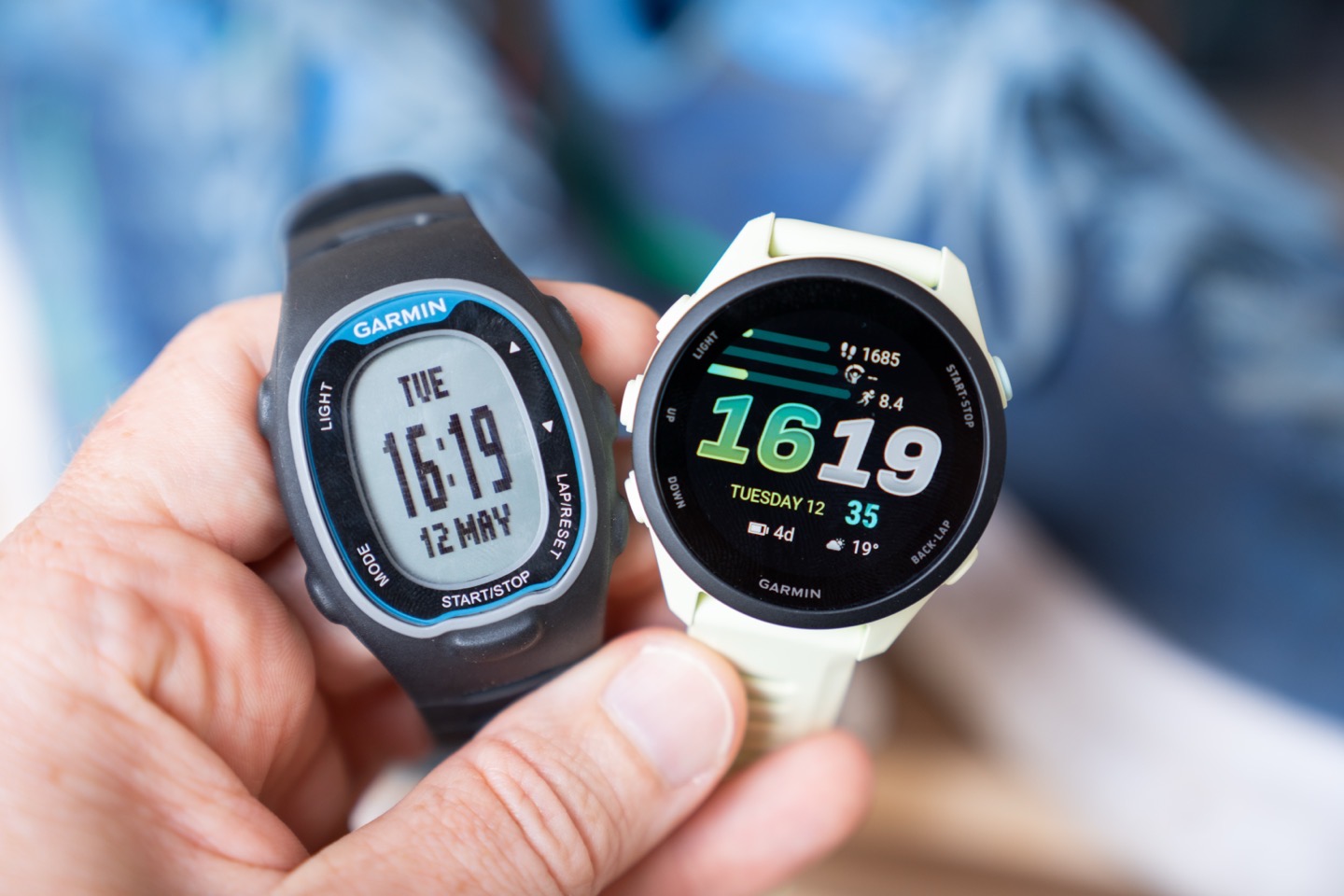
Now, I’d be remiss if I didn’t mention that this is not Garmin’s first Forerunner 70 watch. In fact, the first one came 15 years ago, all the way back in 2011. You can read my review about it here. Obviously though, things have changed a lot. That one had a coin-cell battery in it, and lacked GPS and most other features. It was basically designed to work with an ANT+ footpod. So, I’ll save you 12 reams of digital paper trying to compare that.
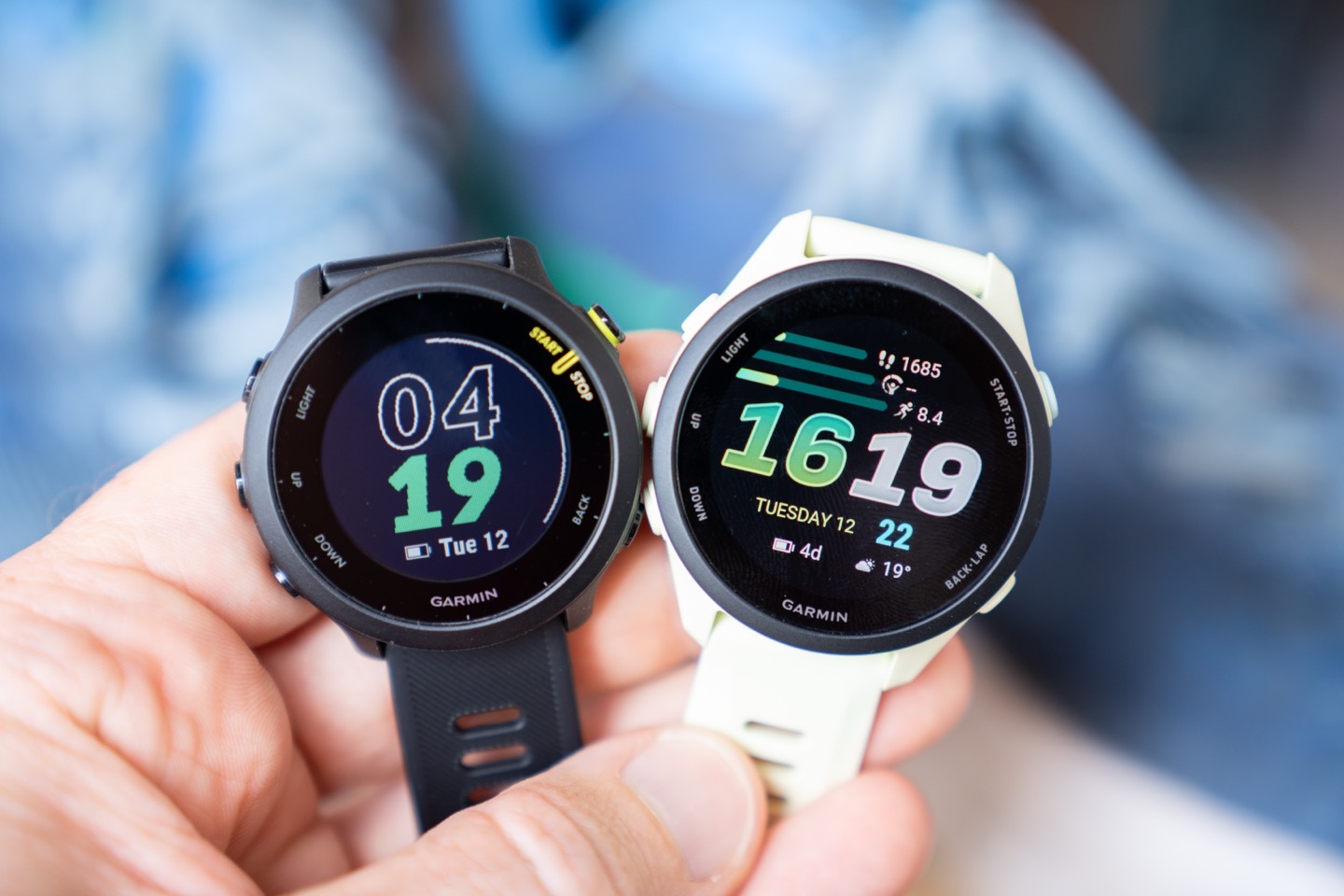
Instead, we’re going to compare it against it’s actual predecessor – the Forerunner 55 (the Forerunner 60 was from 2010, and basically the same watch as the Forerunner 70 except with a new band).
With that, all the differences compared to the Garmin Forerunner 55:
– Switched from 1” MIP display to 1.2” AMOLED Display
– Switched to a 43mm case size (was previously 42mm)
– Added Touchscreen (previously was buttons only)
– Upgraded from Garmin ELEVATE V3 HR sensor to ELEVATE V4 HR sensor (but V5 is latest)
– Completely revamped/changed user interface
– Added Watch Focus Modes (e.g. sleep, theater, activity, etc…)
– Added HRV Status/tracking support (at night)
– Added Smart Wake Alarm
– Added Sleep Coach feature, including sleep recommendation factors
– Added Nap detection support (new to Garmin, finally!)
– Added Morning Report feature
– Added Evening Report Feature
– Added Daily Summary report feature
– Added Daily Health Snapshot Feature
– Added Health Status tracking
– Added Lifestyle Logging (journaling, on-device & Garmin Connect)
– Added the ability to switch between small fonts and larger fonts for text
– Added quick-access Flashlight feature (using screen, not dedicated LED flashlight)
– Added photos in text messages (Android only)– Added ‘Shortcuts’ feature (configuring buttons for quick access to features)
– Added Alternate/Secondary Time Zone Widget/Option
– Added the ability to create Widget/Glance Folders
– Added Battery Widget (shows what’s driving battery usage)
– Added Countdowns
– Added Calculator Widget
– Added Garmin Messenger integration
– Added Moon Phase Widget
– Added Pulse Ox Tracking
– Added Sleep Score
– Added Sports Score Widget
– Added Stocks Widget
– Added Sunrise & Sunset Widget
– Added Weight Tracking Widget
– Added Timers/Alarms/Stopwatch/etc Widget
– Added Connect IQ Store (on-device)
– Added Low Battery Alert (e.g. 1 day left)
– Added Color filter option (for color blindness accessibility)
– Added Hourly Alert/Chime
– Added Battery Saver Feature (and now battery life estimates)– Added ~60+ new sport profiles/apps (see list below)
– Added the ability to configure watch activity profiles and data fields from your phone
– Added Training Readiness (and all underlying metrics)
– Added Training Status (and all underlying metrics)
– Added Acute Load (including historical load trends/tunnel)
– Added VO2Max Trending
– Added Load Focus, Load Ratio
– Added Recovery Time (live widget/etc…)
– Added Running Dynamics support (Ground Contact Time, Vertical Oscillation, Vertical Ratio, Stride Length)
– Added Native Running Power (wrist-based, and native data fields)
– Added Running-power specific training zones
– Added Automatic Run/Walk/Stand detection within a workout
– Daily suggested workouts can now be seen into the future, configuration of long-workout days, more settings, etc…
– Daily suggested workouts can now be tied to future calendar race events, automatically creating workouts for that distance/course
– Added equipment tracking on-device (e.g. shoes, bikes, etc…)
– Added Primary Race Widget
– Added New Race Calendar & Race Details/Countdown Widgets
– Added Race Time prediction (within Race widget)
– Added Workout Benefit feature (tells you what the benefit of a given workout was)
– Added ability to create lap alerts on proximity (e.g. passing the same pace)
– Added Course/Route following
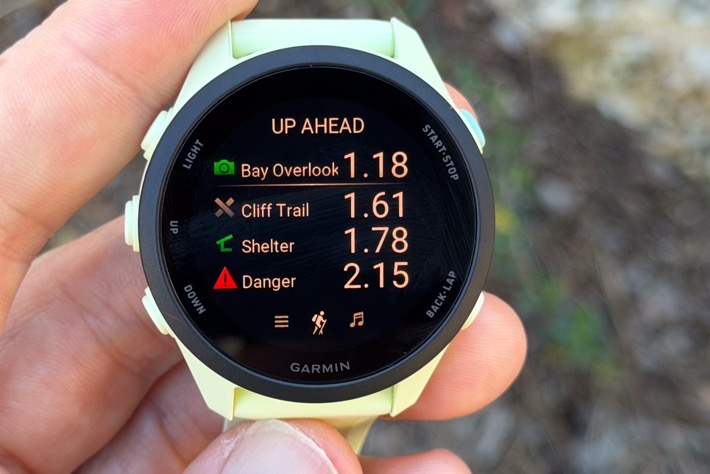
– Added ‘Up Ahead’ feature for distances to predefined markers like aide stations, climbs, etc…
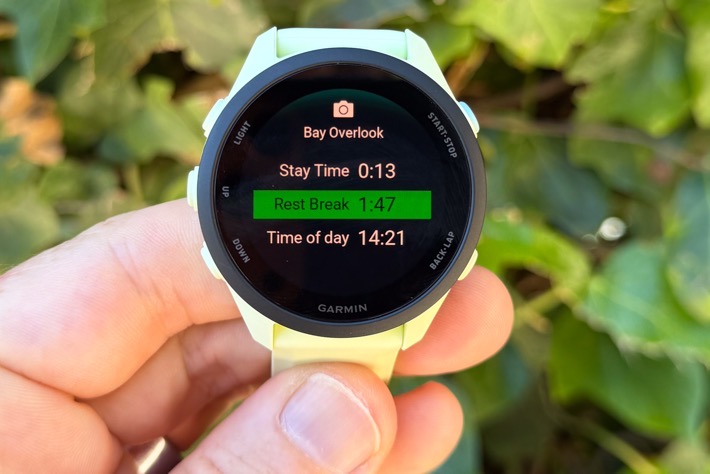
– Added Aid Station/Rest Break Timer/Counter in Courses (e.g. Trail Runs)
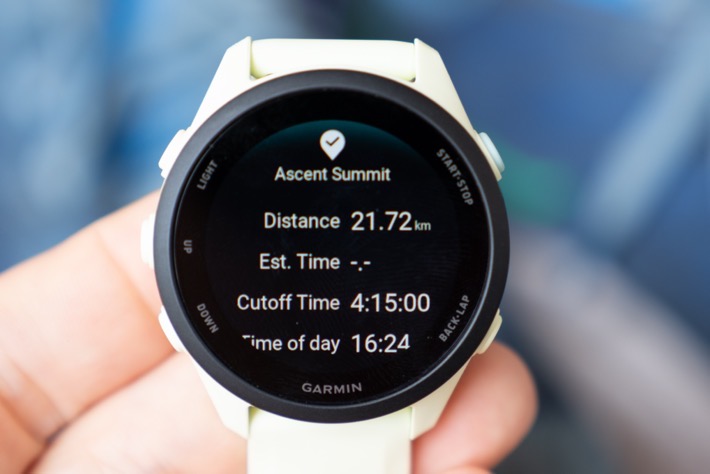
– Added Time Cutoff Feature in Courses (e.g. Trail Runs)
– Added Garmin Share (to quickly share workouts/courses/etc…)
– Added ‘Workouts’ app/quick access menu
– Added Pack Weight Support (in Running/Hiking activities)
– Increased data fields per page from 4 to 8
– Increased number of custom data pages allowed
– Adds support for up to 4 CIQ data fields concurrently (versus 2 previously)
– Added muscle map feature in strength workouts
– Added Secure/Encrypted Bluetooth sensor pairing feature/option
– Added Cycling Lights, Cycling Radar, RD Pod, Tempe sensor support (ANT+ & Bluetooth Smart, see full list below)
– Increased GPS/GNSS types: Added Beidou & QZSS to multi-band list (but not dual frequency)
– Smartwatch battery life is 13 days (5-days always-on)
– GPS battery life per the chart below up to 23 hours
– Weight is 40g
– Waterproof rating is 5ATM/50-meters
Holy moly, that took a long time to put together/figure out (and yes, I literally manually go through every single item to come up with the above list – Garmin doesn’t provide any such list to me). Of course, the reality is there’s still tons more features buried in sub-menus and such, but I think the above covers most of it.
When it comes to the full list of sport modes, it’s sprawling, and essentially lines up with most of Garmin’s other watches made in 2025/2026. For the most part, the only differences to a higher-end Fenix series watch is that those watches also have both high-speed watersports (e.g. surfing) due to increased water resistance designs, and low-speed underwater sports (e.g. diving) due to other increased water resistance as well. In any case, here’s the full list:
Forerunner 70: Run, Track Run, Treadmill, Road Bike, Walk, Cardio, Strength, Pool Swim, Trail Run, Bike (Outdoor), Bike Indoor, Virtual Run, Indoor Track, Obstacle Racing, Ultra Run, MTB, eBike, eMTB, Cyclocross, Gravel Bike, Bike Commute, Bike Tour, Mobility, HIIT, Yoga, Pilates, Elliptical, Stair Stepper, Row Indoor, Walk Indoor, Boxing, Mixed Martial Arts, Jump Rope, Hike, Rucking, Mountaineering, Disc Golf, Horseback, Archery, Inline Skating, Ski, Snowboard, XC Classic Ski, XC Classic Skate, Snowshoe, Ice Skating, Snowmobile, SUP, Kayak, Row, Snorkel, Soccer/Football, American Football, Basketball, Baseball, Softball, Volleyball, Cricket, Lacrosse, Rugby, Field Hockey, Ice Hockey, Ultimate Disc, Tennis, Pickleball, Padel, Racquetball, Squash, Badminton, Table Tennis, Platform Tennis, ATV, Snowmobile, Overland, Motocross, Motorcycle, Horseback, Breathwork
In case you’re wondering how it differs from the also-announced Forerunner 170, that watch has Floor Climb (because it has an altimeter), Openwater Swimming, and Meditation (guided). It does not have multisport/triathlon modes.
Lastly, when it comes to supported sensor types, it supports the following:
Sensor Supported: External HR (ANT+/Bluetooth), Footpod (ANT+/Bluetooth), Lights (ANT+), Cycling Radar (ANT+/Bluetooth), RD Pod (ANT+), Speed/Cadence Sensor (ANT+/Bluetooth), Tempe (ANT+/Bluetooth)
Finally, for battery life, here’s where things stand:
Smartwatch mode: Up to 13 days (5-days always-on display)
Battery Saver Smartwatch mode: Up to 28 days
GPS Only GNSS Mode: Up to 23 hours
All-Systems GNSS Mode: Up to 16 hours
Got all that? Good, let’s get into some of the bigger ticket items.
A Revamped Watch
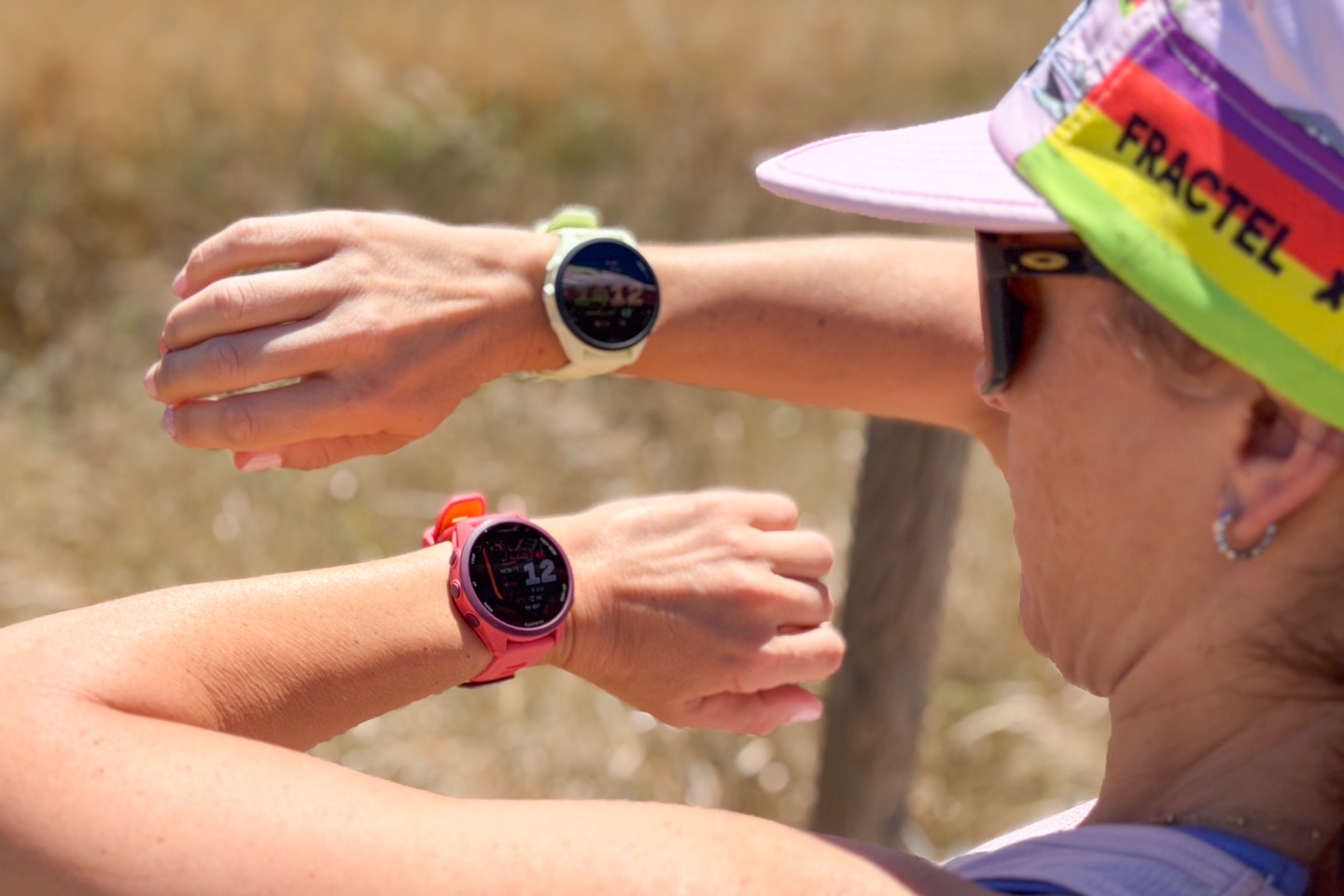
In many ways, it’s hard to know where to start with the Forerunner 70, since there are so many new features, and it’s really an entirely different watch than the existing Forerunner 55. So instead, let’s just hit up some of the core aspects first that are most notable to existing Forerunner 55-era folks, and then my full in-depth review in the next couple of days will dive into everything more thoroughly. Also note, that I’ve got a separate post coming on the Forerunner 170 (seen above in red), though frankly, it’s virtually identical.
Now, before we go forward, I do want to note that *everything* you see in this and my review is on an account without Garmin Connect+. Meaning, there’s no extra subscription fee for anything you see here, both at the watch and app/platform level. It’s all included. Garmin Connect+ does offer a few features on the app, such as the nutrition tracking feature, but by and large, I don’t find much value in anything there.
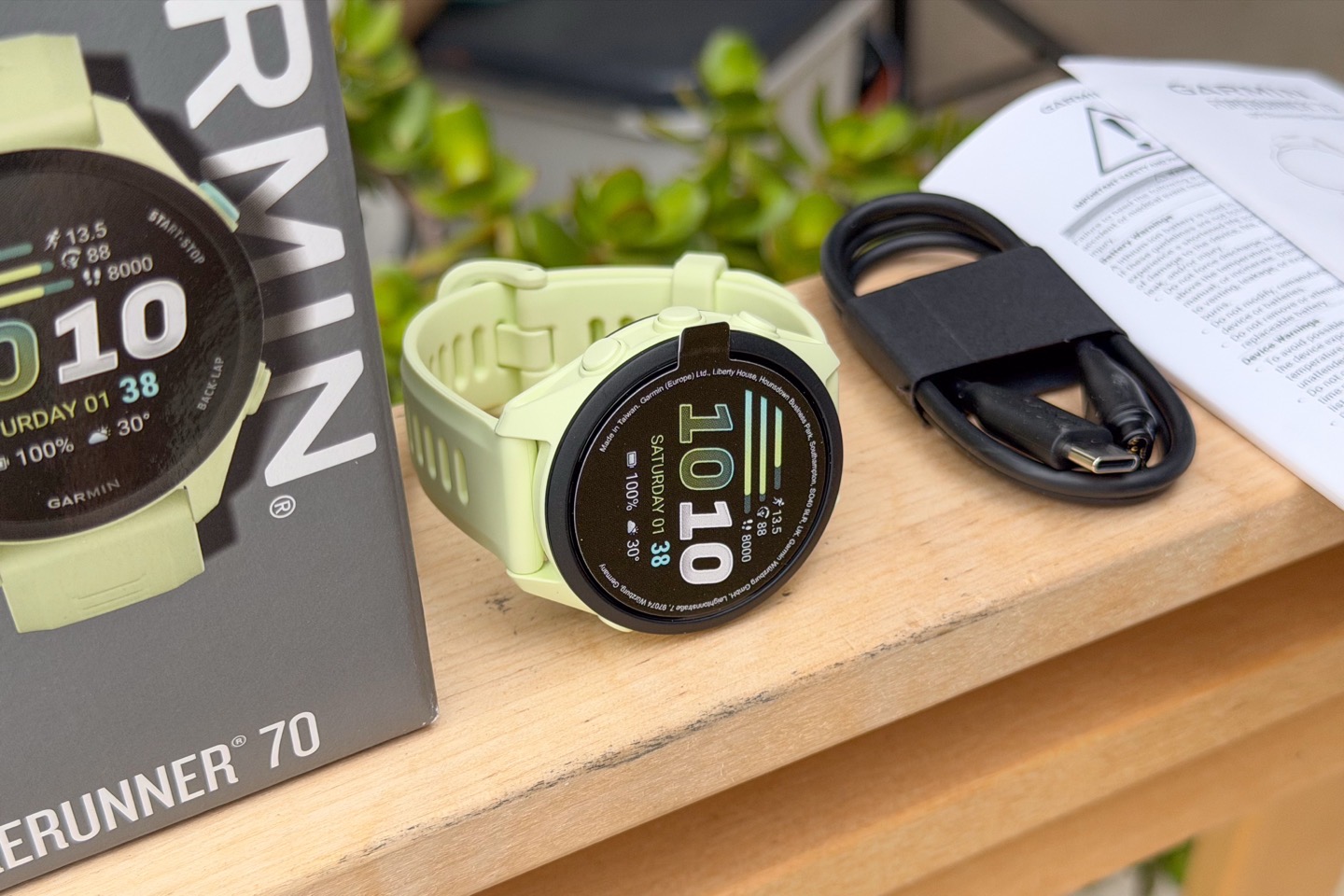
With that, looking at the watch itself, it’s got the usual Forerunner 5-button layout, except now with an AMOLED display:
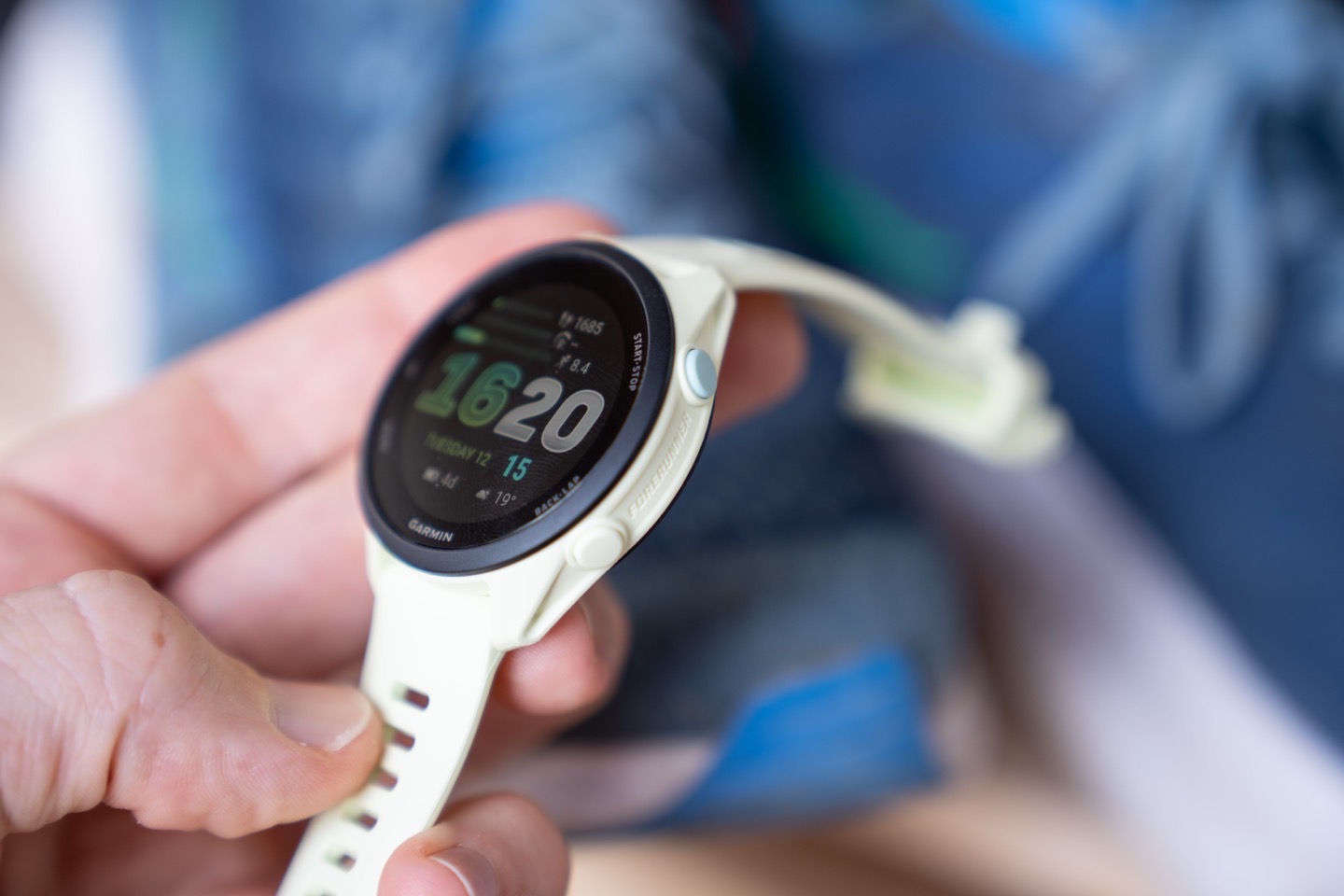
The display is the same as that found on the Vivoactive 6, which means it’s likely about 1,500 nits in brightness (Garmin doesn’t disclose these values for some odd reason), and so isn’t as bright as the Forerunner 570/970/Fenix 8 Pro, but is plenty bright (and brighter than past generation displays).
From the customizable watch face, you’ll scroll down into the widgets glances (and widgets), which is a huge upgrade from the Forerunner 55 of years past.
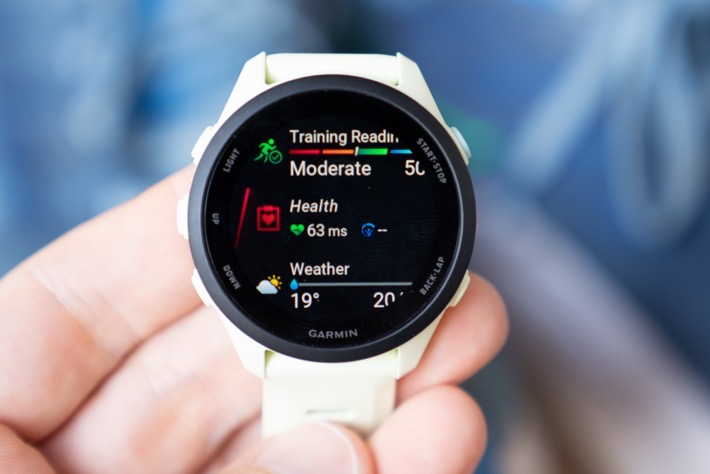
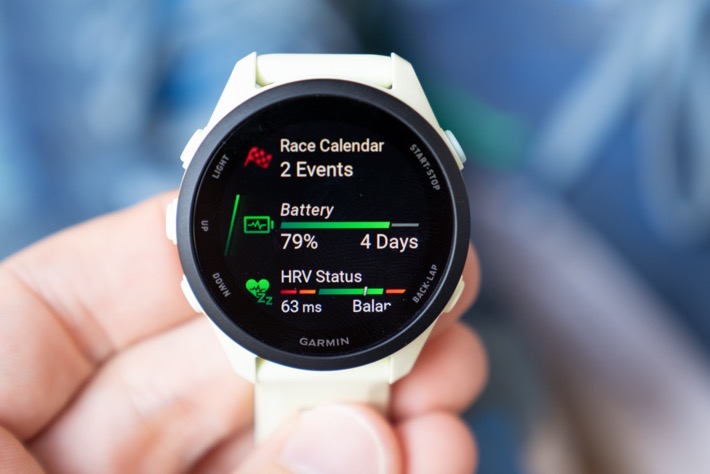
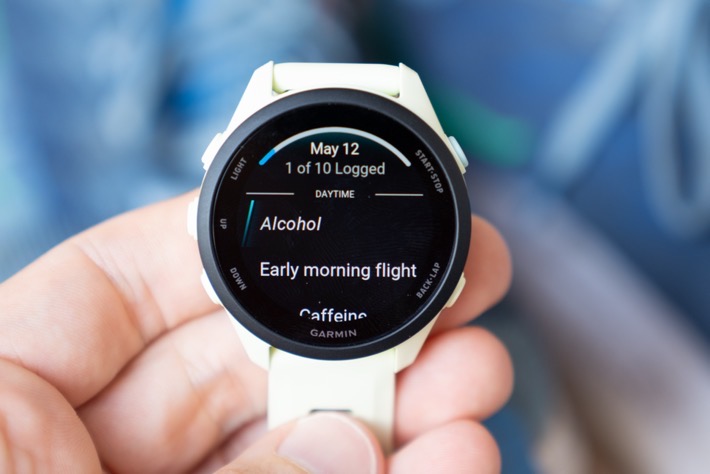
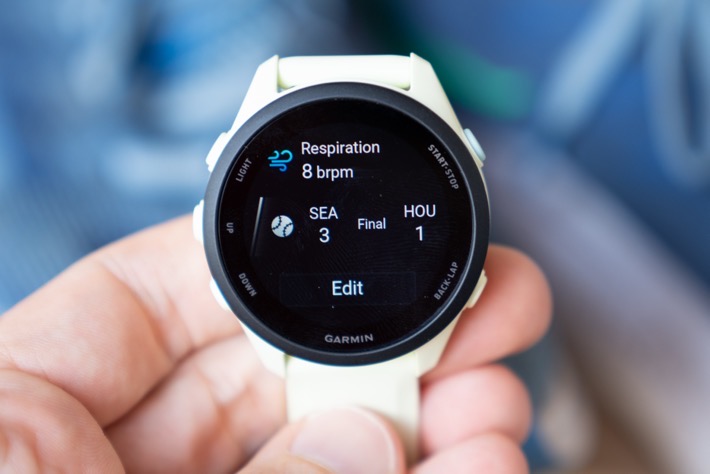
With the widgets, you’re going to find all the new widgets that have been released on the Forerunner 570/970 watches over the past year, such as the sports widget, calculator, Garmin Share, and many more. As you can see above, it’s got the new battery burn widget seen on the recent Fenix & Forerunner lineup as well.
Of course, for most people doing workouts, it’s the massive slate of new sports modes that you’ll be interested in. Those are listed up above, but one of the things you’ll notice is the same general sports UI as the Forerunner 570/970 and Fenix 8 Series.
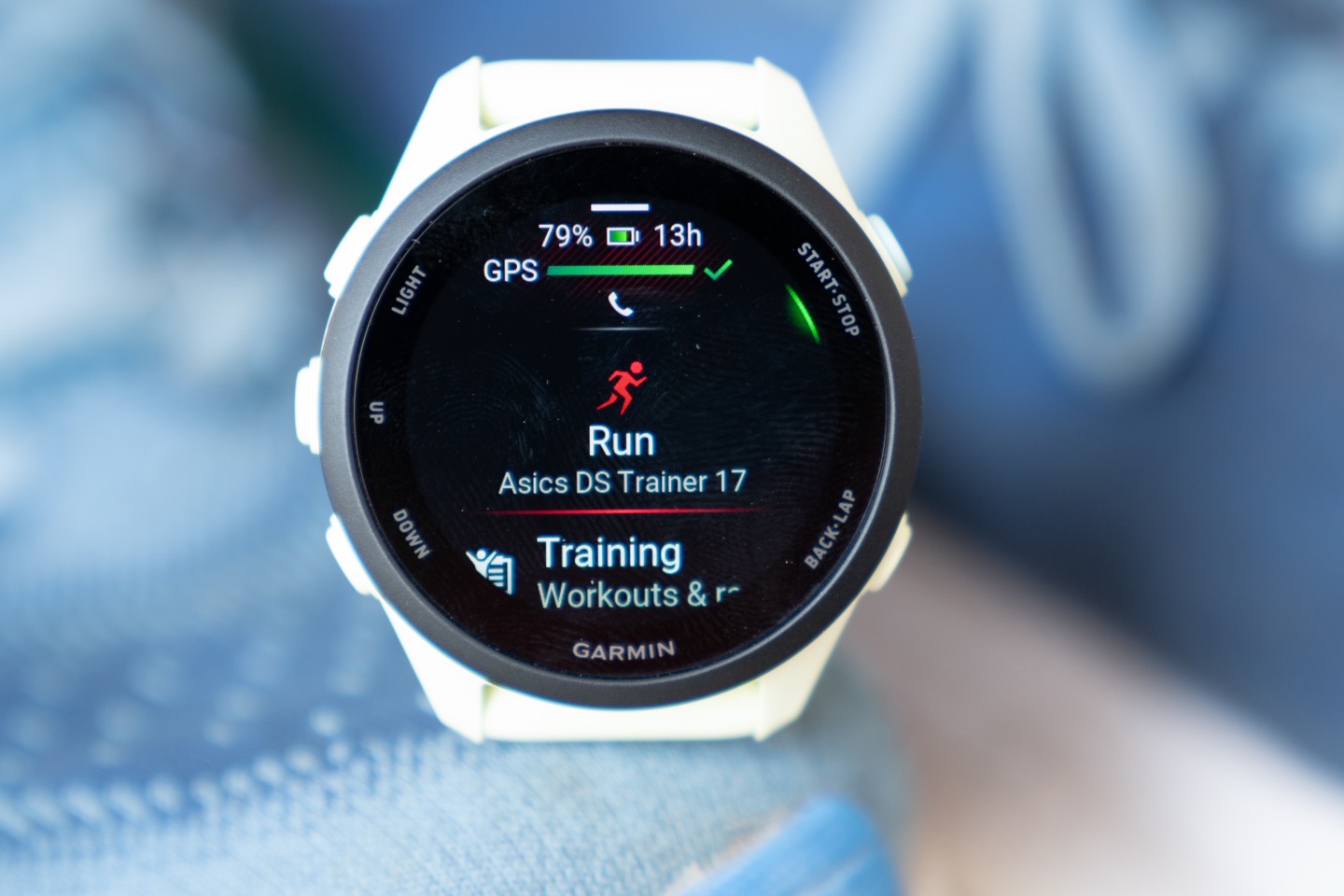
This includes new features like the recently added equipment tracking, for which eventually I’ll add in my correct shoes. In the meantime, those Asics have some 17,000km on them…according to Garmin Connect.
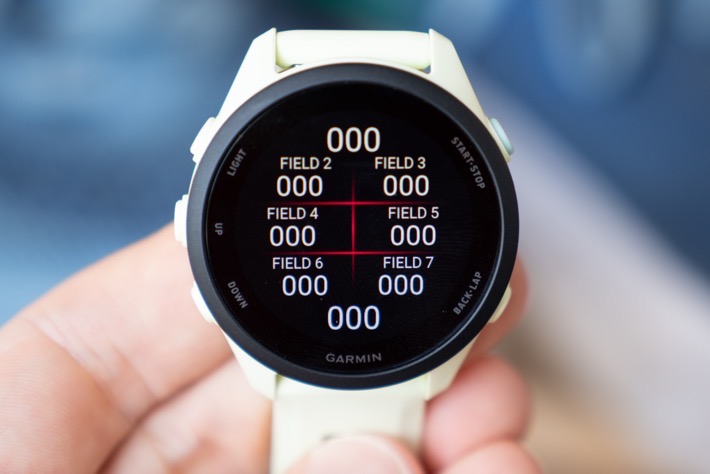
And with that, comes the ability to configure a gazillion custom data pages, and up to 8 data fields per page. As well as a slate of new graphical data pages.
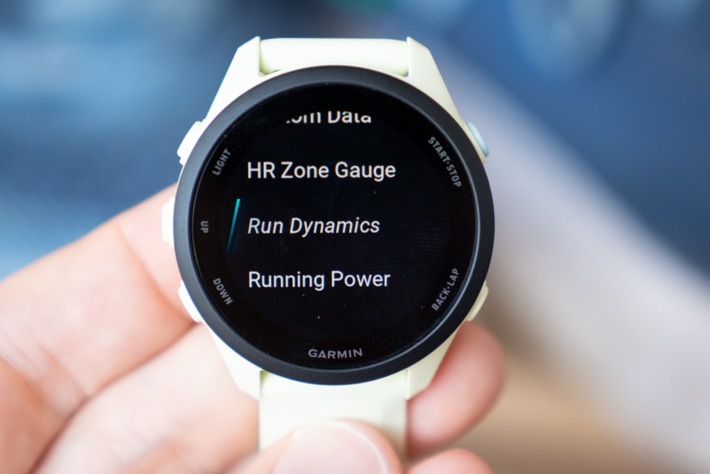
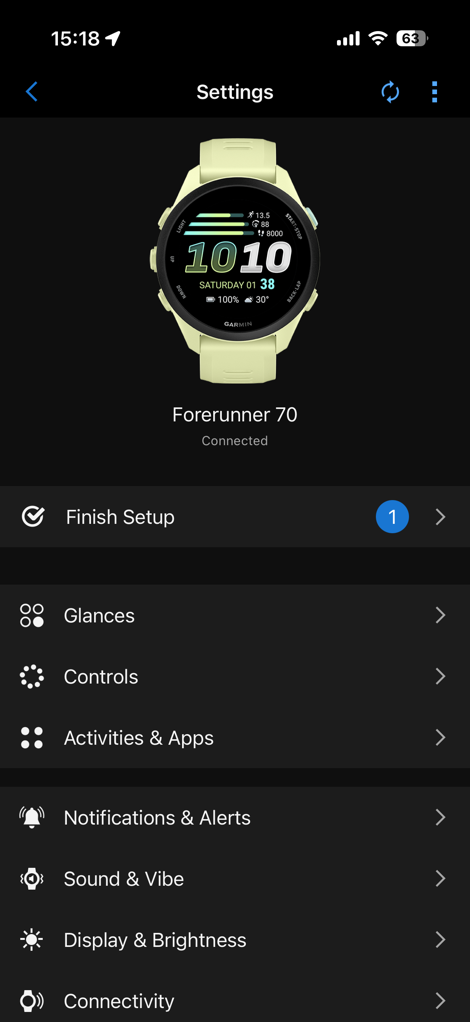
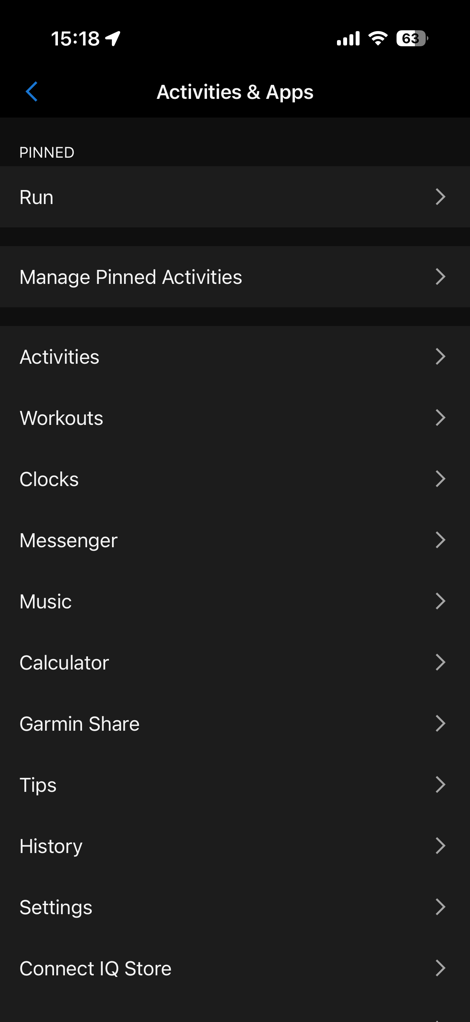
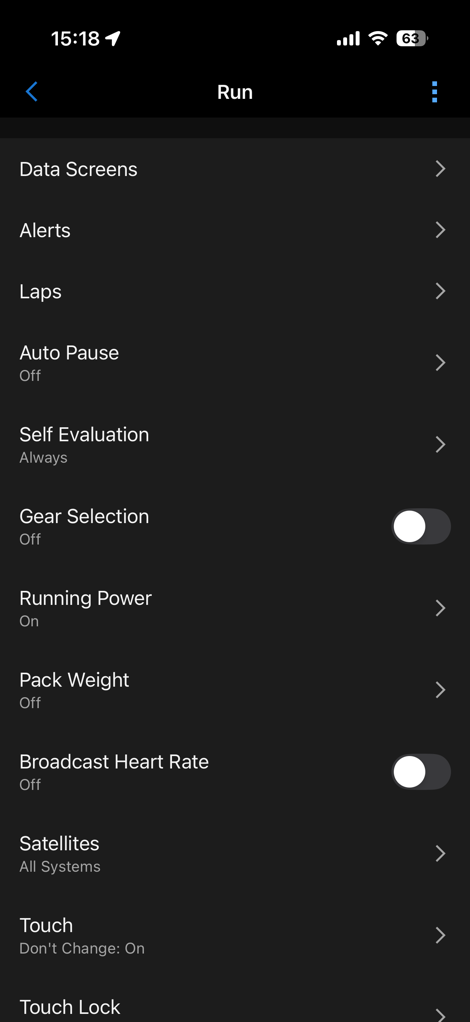
As well as the ability to do all your customization from your phone. This includes basic settings, but also more advanced settings like data fields and the things that take forever to do on the watch itself, you can do from either watch or phone.
Of course, the biggest non-sport-mode ticket addition to the Forerunner 70 series is undoubtedly the addition of Training Readiness. This looks at your current training history, as well as daily life data (sleep, stress, etc…), and gives you a number for how ready you are to train at any given moment.
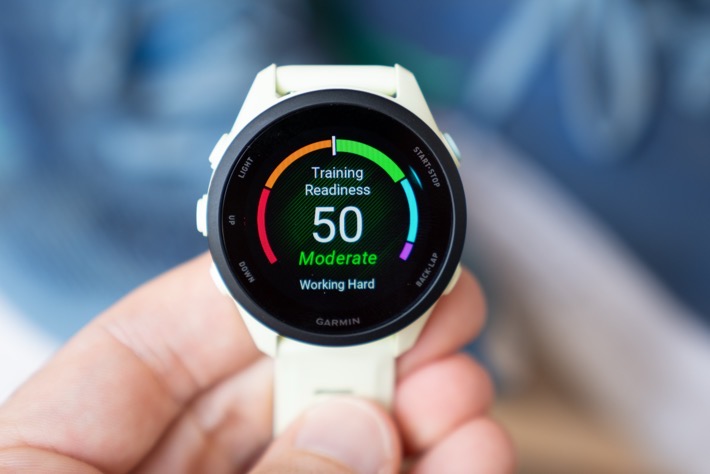
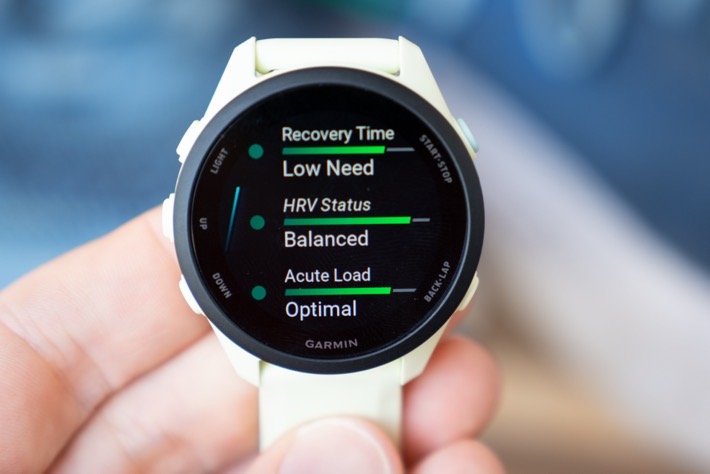
This will change throughout the day (both up and down). Go out for a hard run? It’s going to drop. Sit on the couch and watch TV? It’s likely to go up. It’s one of the best executed pieces of Garmin software there’s been in the last few years. I’ll dive into more of it within my longer in-depth review.
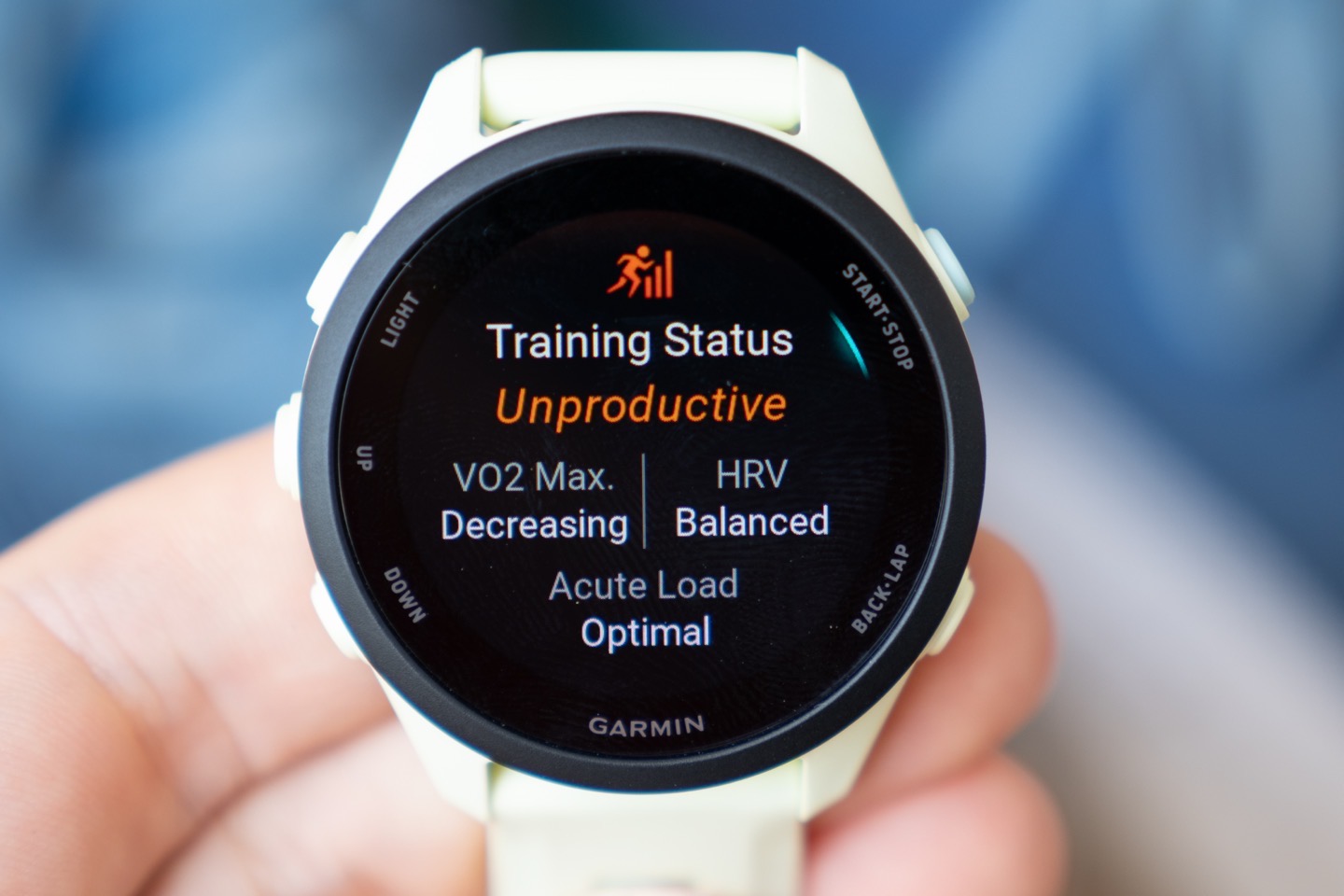
But with that, comes Training Status. This instead looks at more of the coaching aspect, than the readiness aspect. It looks at your recent training load, factors like HRV status, and decides whether or not your current volume (and type of training).
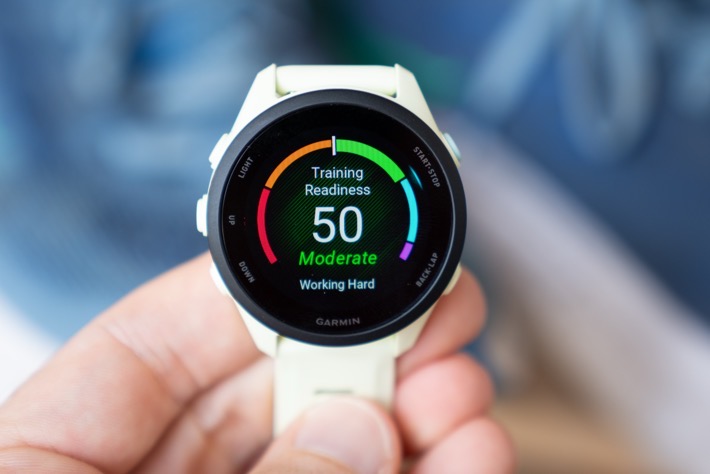
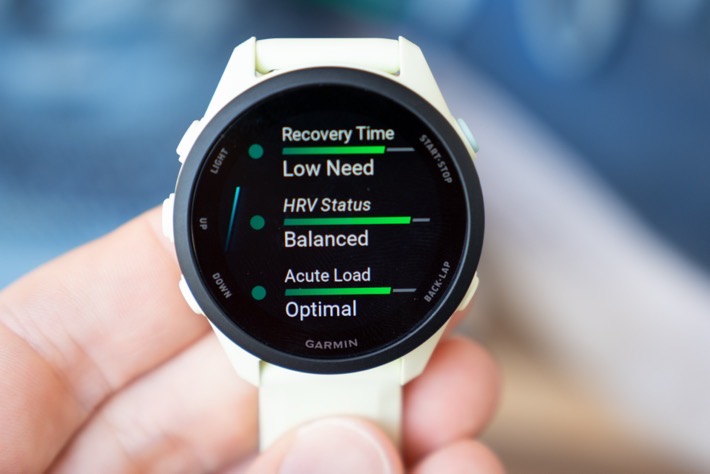
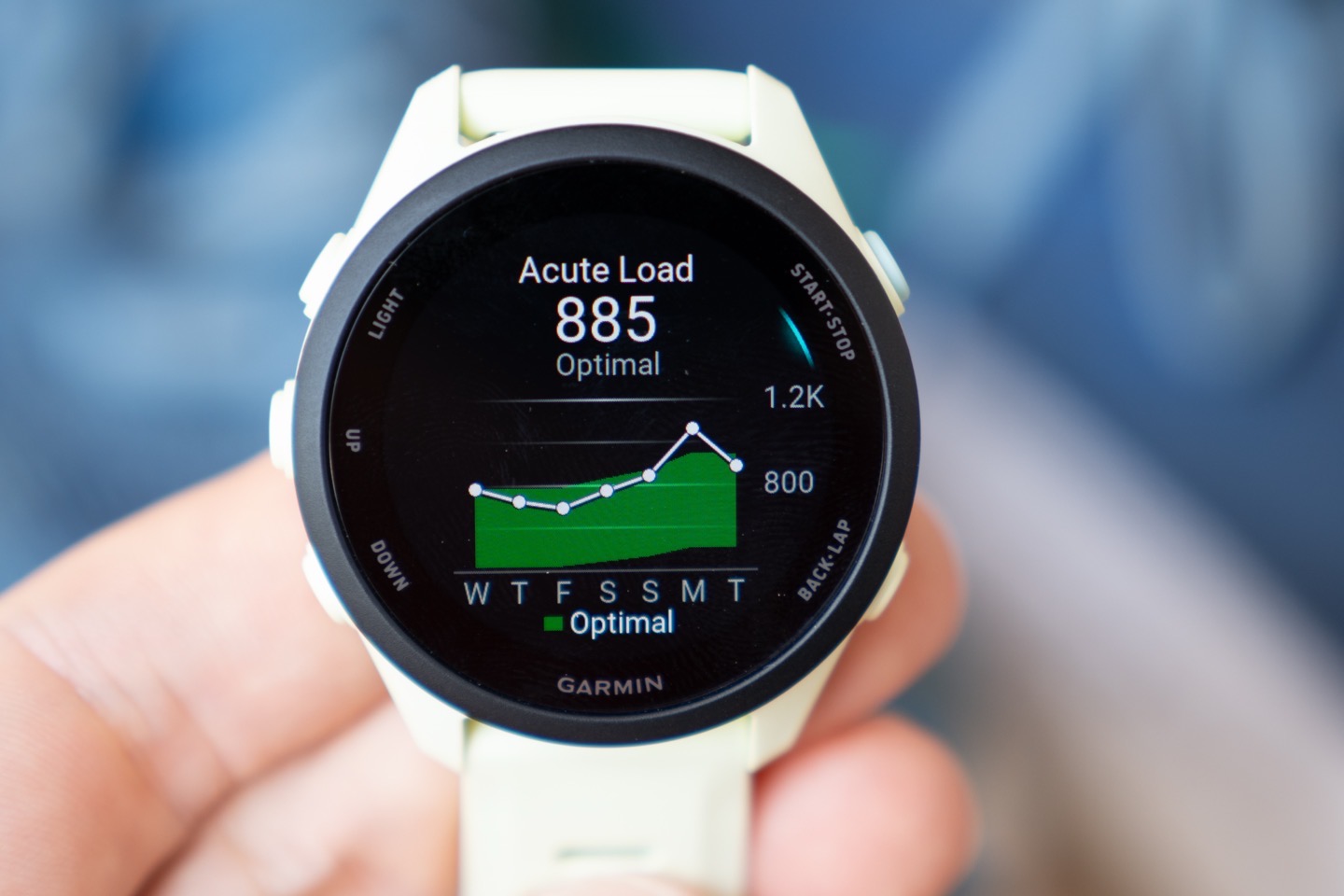
This includes Acute Load, one of the key metrics to use for looking at training load trending over time.
It also includes complimentary access to the ‘Unproductive’ training status, for which Garmin is well known (it’s actually really hard to get yourself into that pickle these days, but fear not, I found a way). Again, more in my full written review.
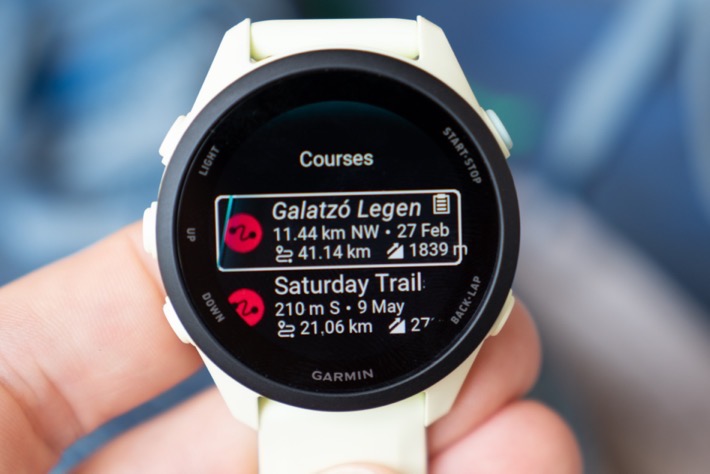
Meanwhile, the unit includes the ability to load up a course/route, which the Forerunner 55 lacked:
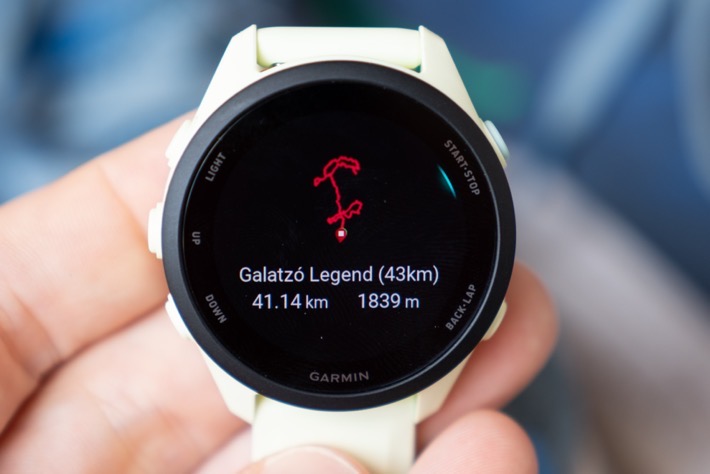
However, honestly, more interesting than that is that Garmin included a bunch of waypoint-related features, for example, the Up Ahead function that you can show icons/details about upcoming points on your route:
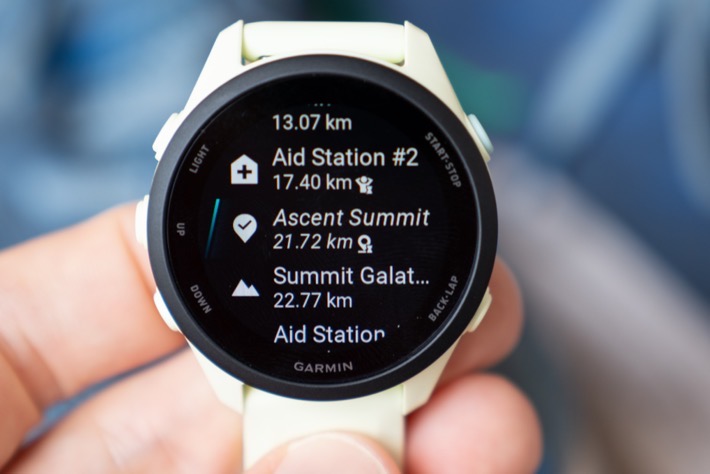
And even more surprising is all the new Ultra-Trail running-focused Time Cut-off Checkpoints and Rest Timer features have been added. This allows you to configure a time time-off for certain points on the course, as well as configure how long you’ll linger eating Haribo in the aide stations (and it’ll count that down for you).
Though inversely, it was surprising to not see either the Timing Gates feature, or the Estimated Finish line feature (which will trim off the end of a race to the defined course finish line, if you forget to stop your watch).
There is no offline maps here of course, that requires a higher-end unit from Garmin, but for most people having the breadcrumb trail will do the trick, especially while road running.
Again, I’ll dive into more of the general running features in my full written review later this week.
New Quick Workout Creator:
Garmin has always reigned supreme when it came to ways you could do structured workouts. Garmin’s had manual interval creator (on-device), the ability to import workouts from Garmin Connect (yours or training plans), workouts from 3rd parties and coaches (e.g. TrainingPeaks, etc…), pace/heart rate/etc targets, dynamic Daily Suggested Workouts, and many more options.
However, one thing it lacked was the ability to just request an on-demand workout of a given duration (time) and pain level, and then boom, give you a few options and off you go. All on-device, without any AI-driven app or such behind the scenes. Now, it does.
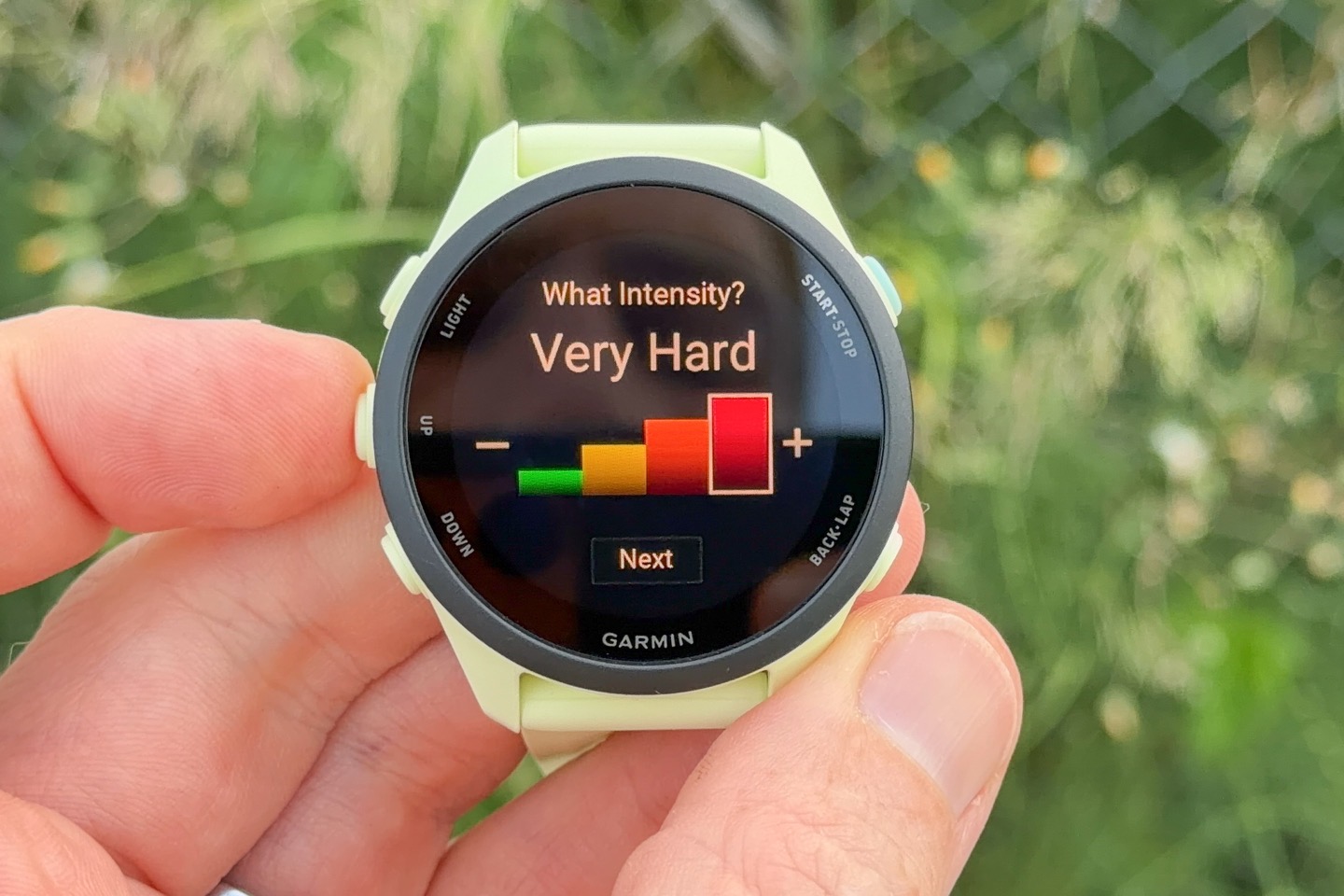
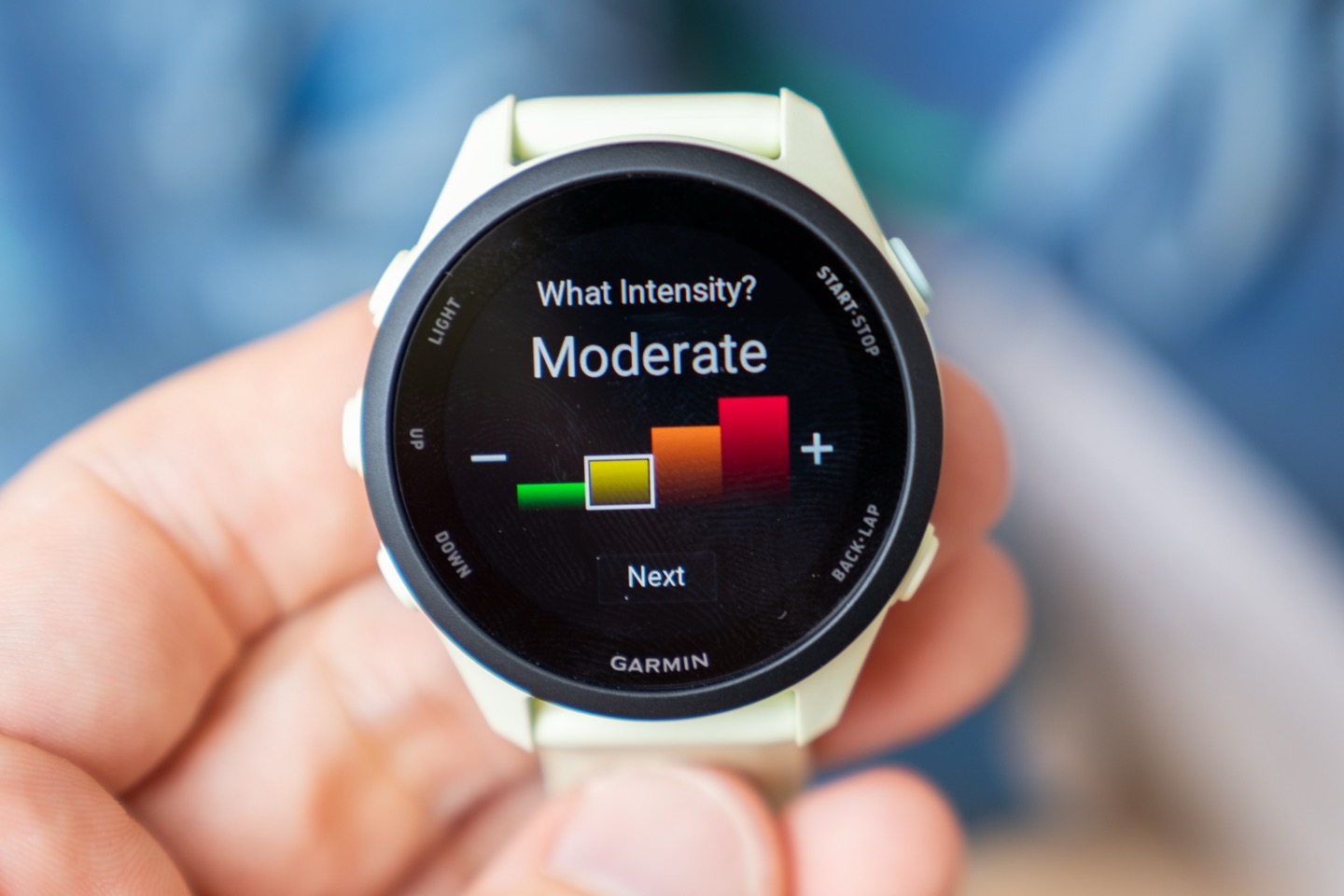
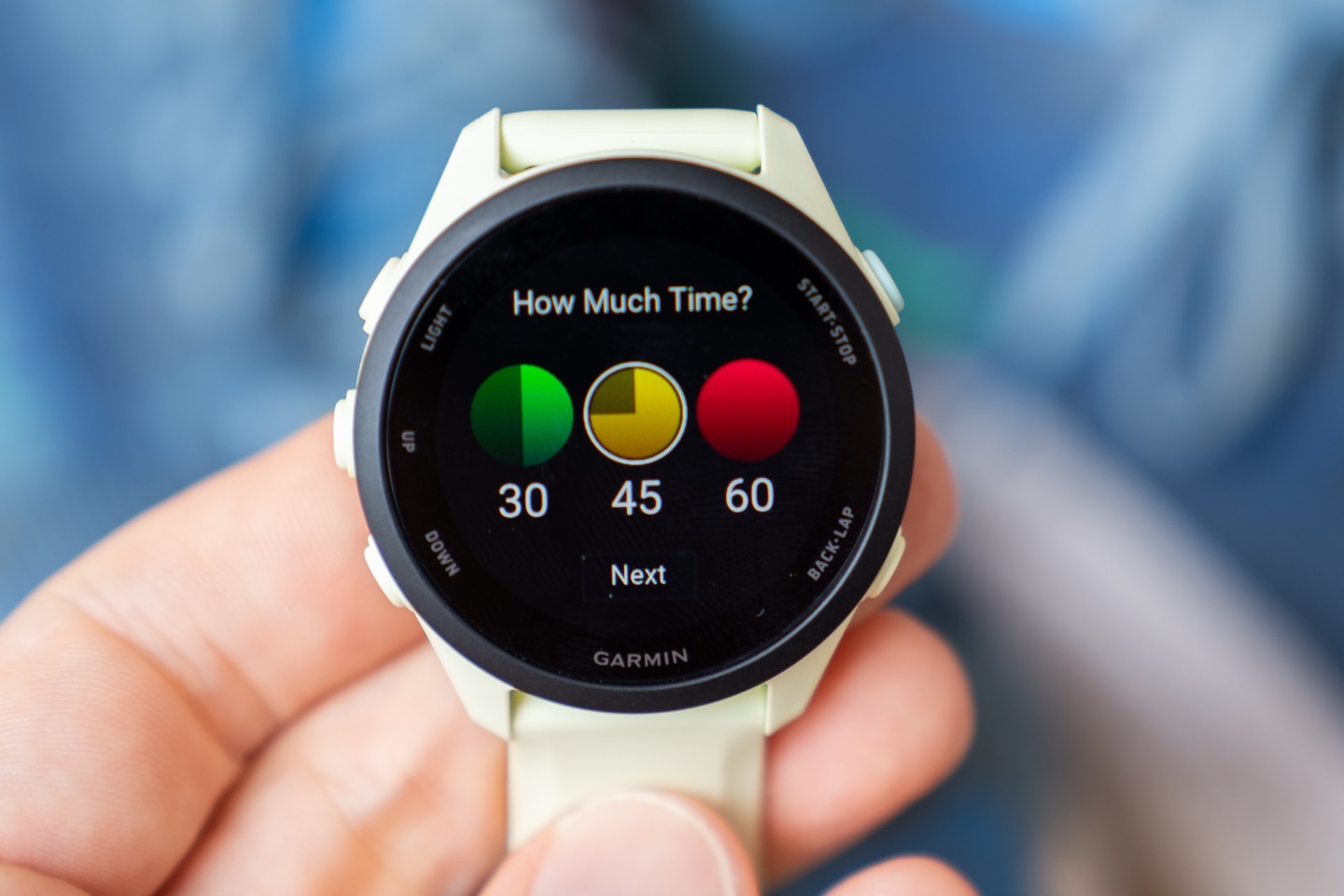
Quick workouts is both simplistic, and frankly, awesome. You simply choose how hard you want to hurt (four different levels), then choose duration levels (30 mins, 45 mins, 60 mins). From there it’ll spit out 1-4 structured workouts instantly that you can choose from.
As one who often decides what type of workout I’m going to do as I walk out the door, this is perfect.
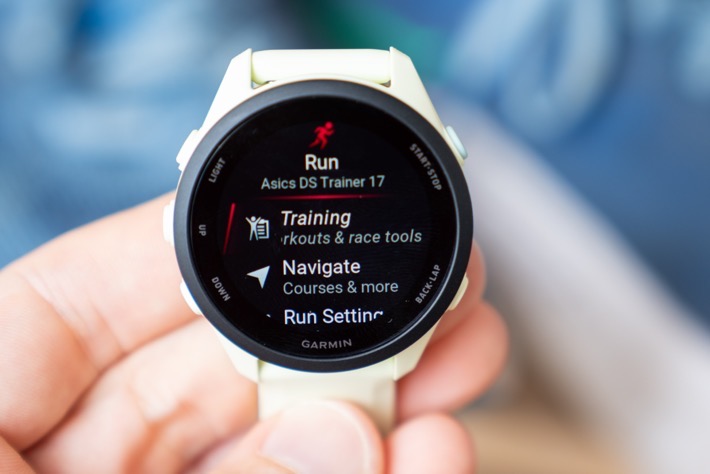
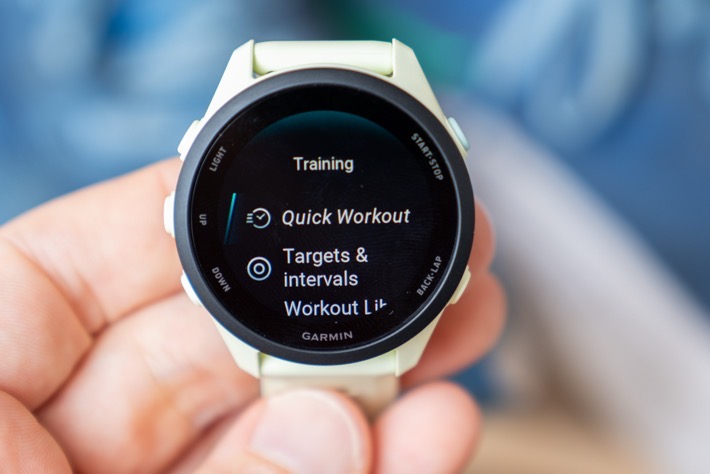
Here, let’s take a quick look at how it works. First, you choose Run, then choose Training, then Quick Workout:
From there, you’ll choose the level of suffering. Again, super simplistic (if perhaps a touch bit stylistically dated):
Next, you’ll choose the duration. This doesn’t change, no matter how advanced you are. After all, any coach can make even the most elite athlete in the world hurt at any of these given levels.
Instead, the workouts it’s creating for you will vary based on your ability, driven by your workouts. As with most things on the Garmin watch, the more data (runs) you give it, the better this gets. I find for most Garmin features, that you’ll reach that optimal level of data about 4 weeks in, though this totally works straight out of the box too.
In any case, if you select the easiest level, these are almost always basically just blocks at an easy intensity. Whereas once you start increasing intensity, they start getting more creative, and you get more options:
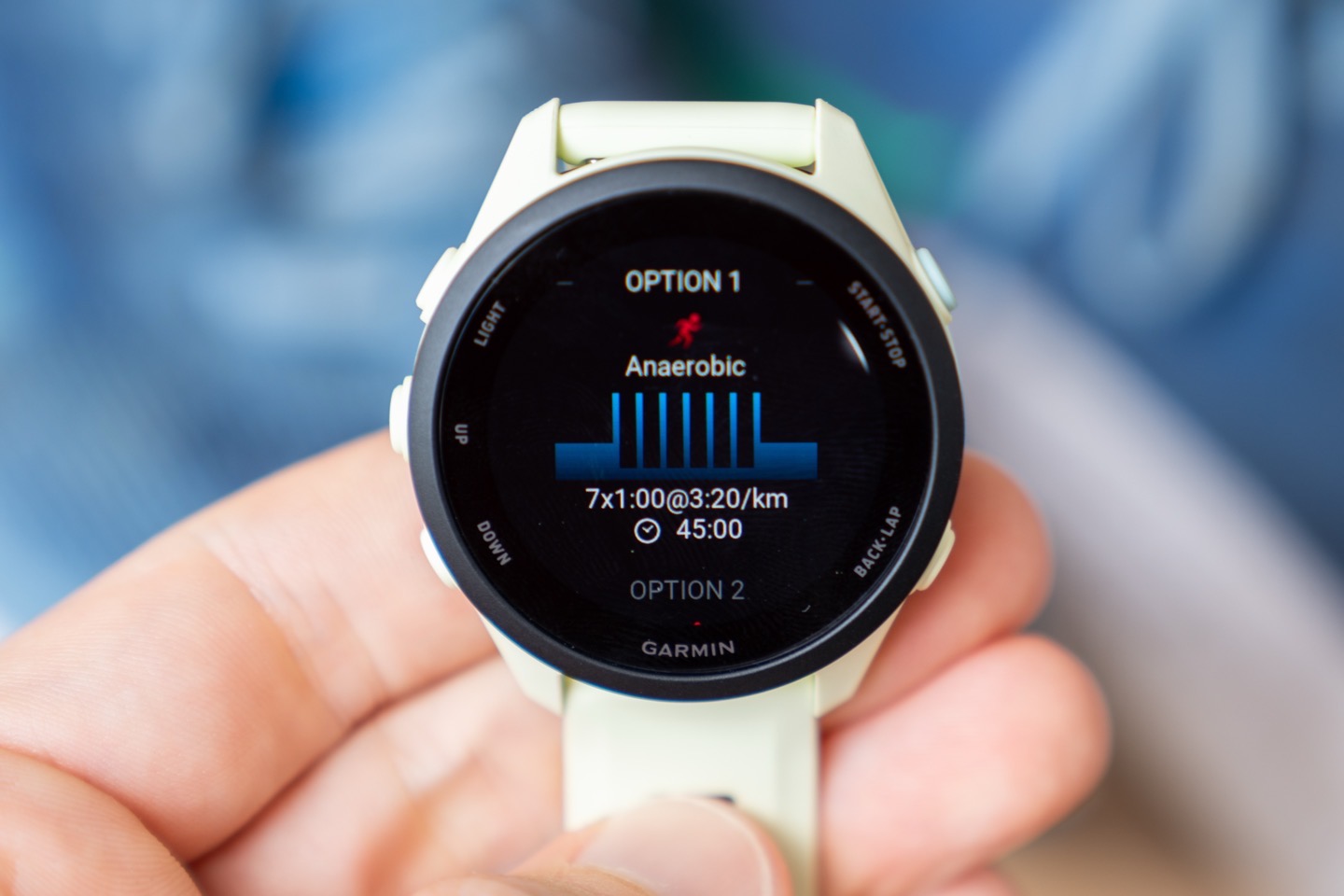
Again, these are taking into account your existing training and ability levels:
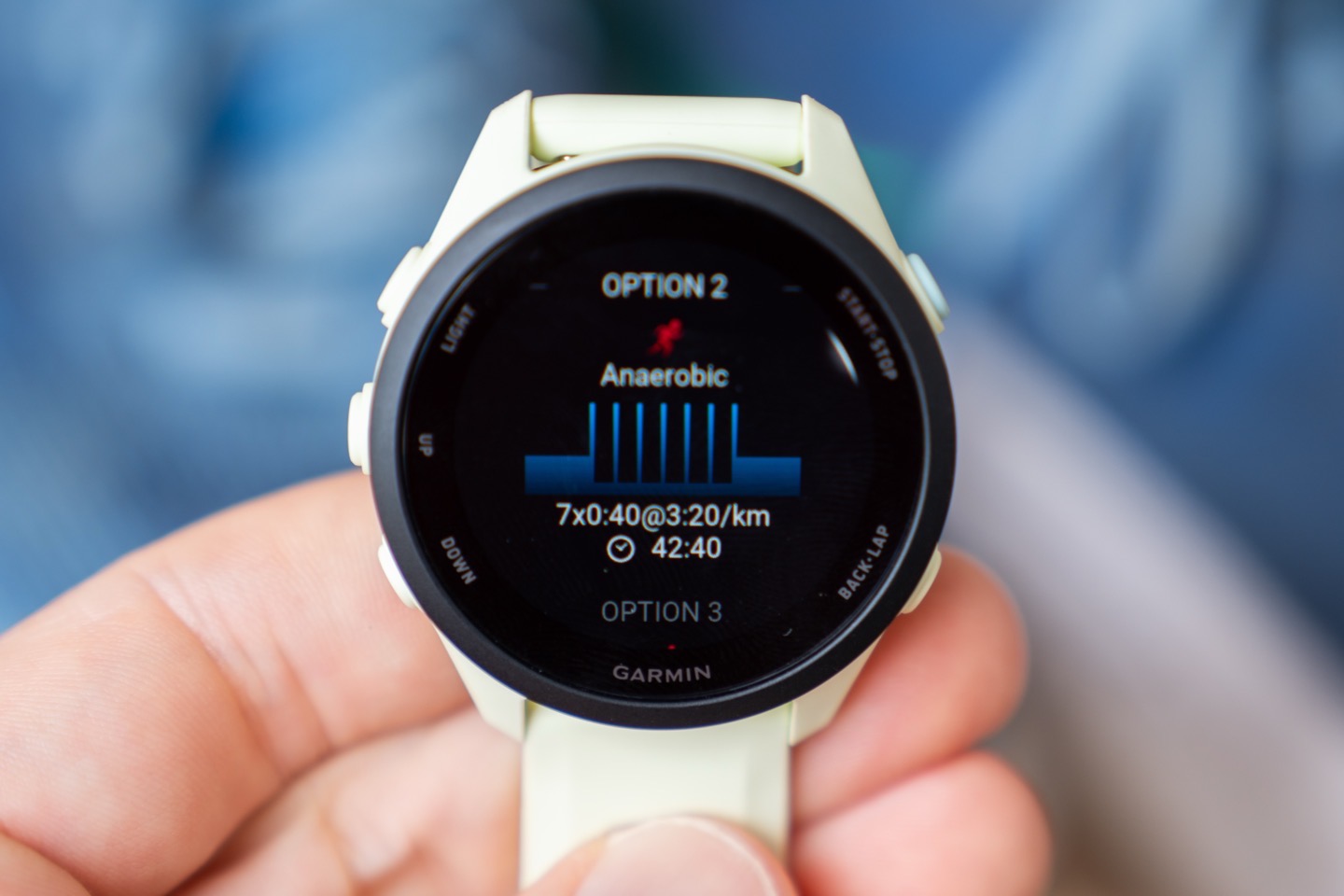
The ‘cool’ part is that, unlike Daily Suggested Workouts, which will refuse to give you really tough workouts if it thinks you’re likely to get injured, the Quick Workout Creator has zero effs to give. Like asking for “native-level-spicy” at a Chinese restaurant, it’s gonna deliver probably beyond what you want to accept.
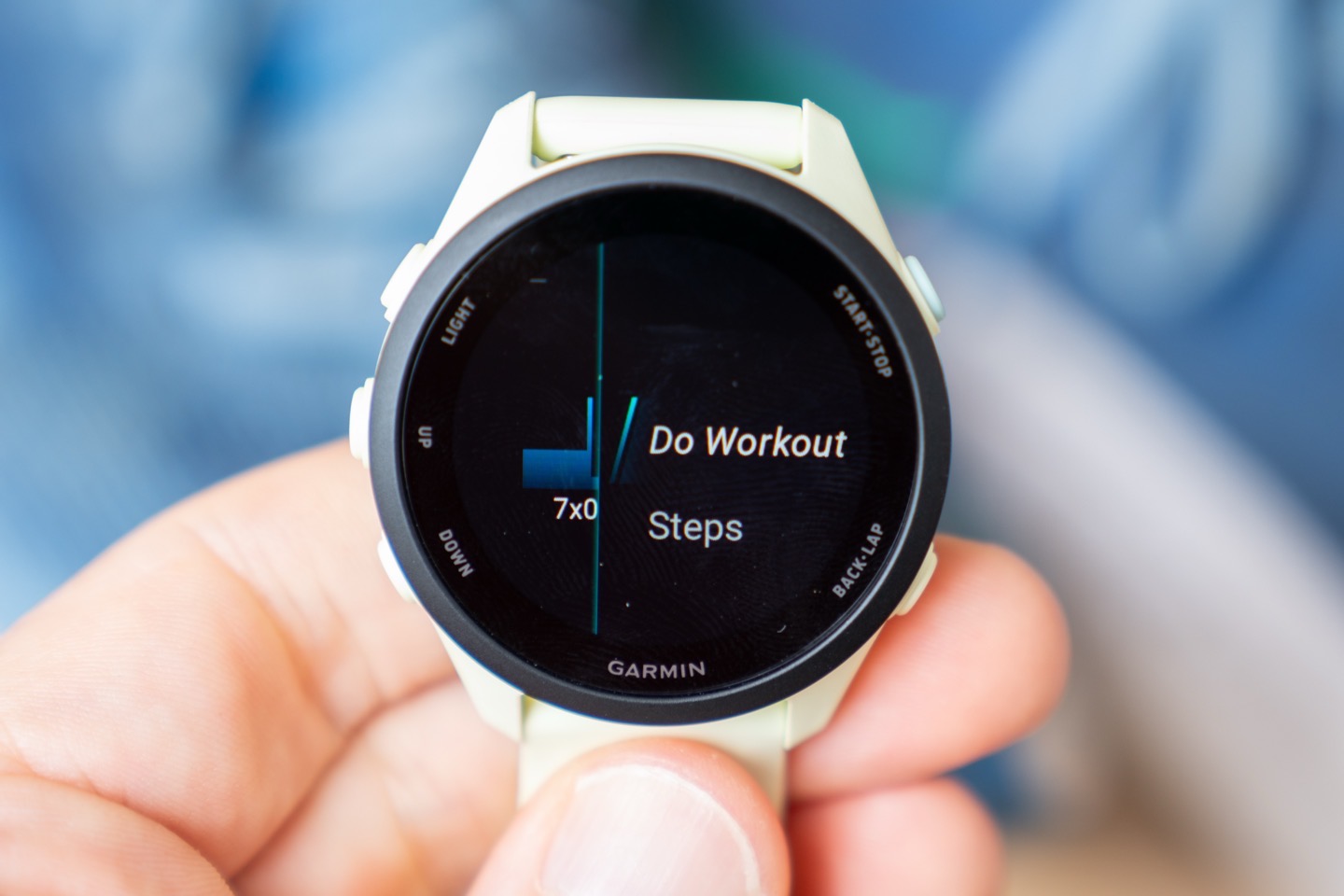
In any case, once you’ve picked your suffering, it’ll load up just like any other Garmin structured workout. So you’ll get prompts and countdowns as you iterate through:
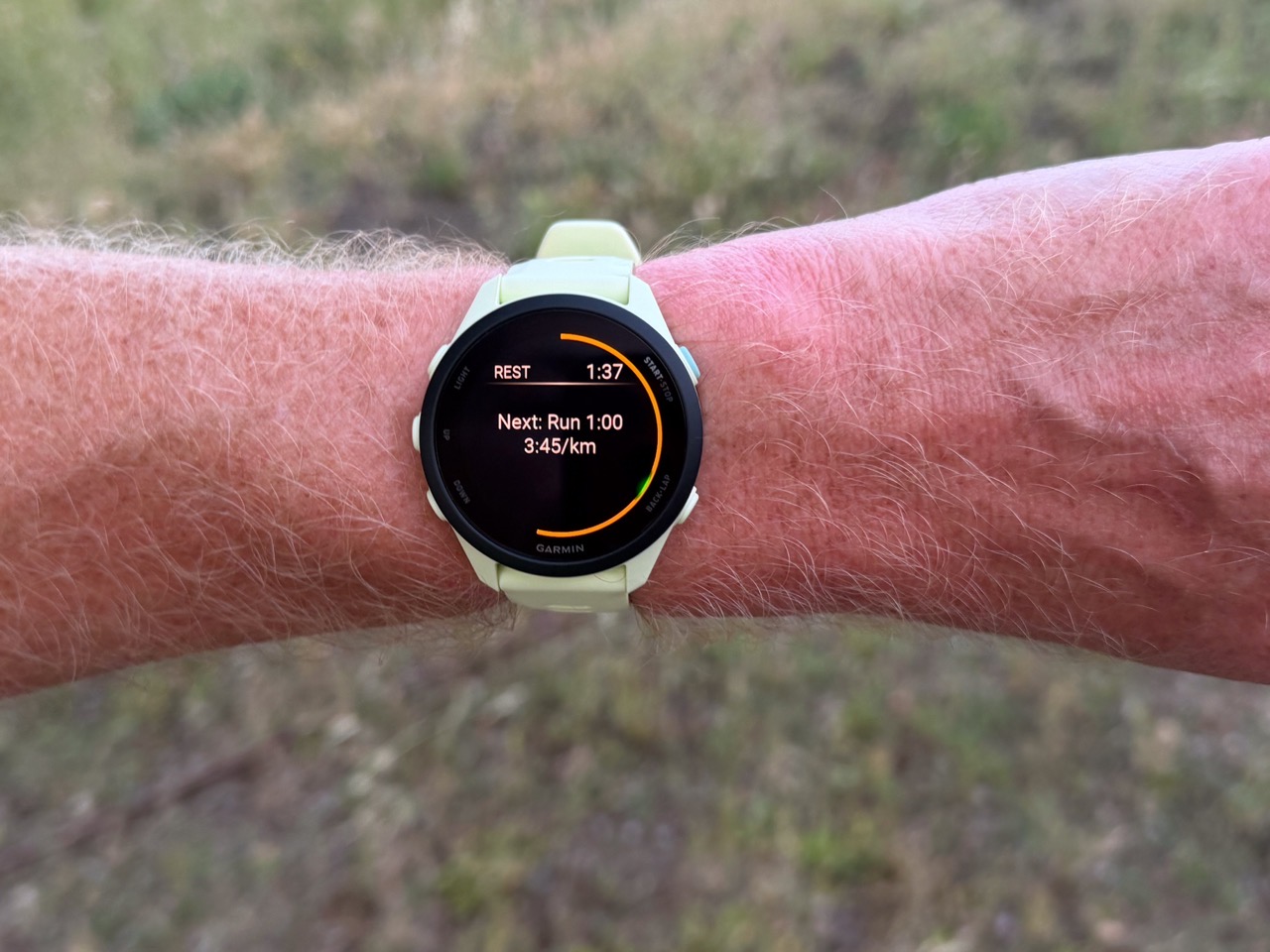
Meaning it’ll tell you the target pace and time left for each section automatically, chirping as it goes along. Then, at the end it’ll give you an execution score:
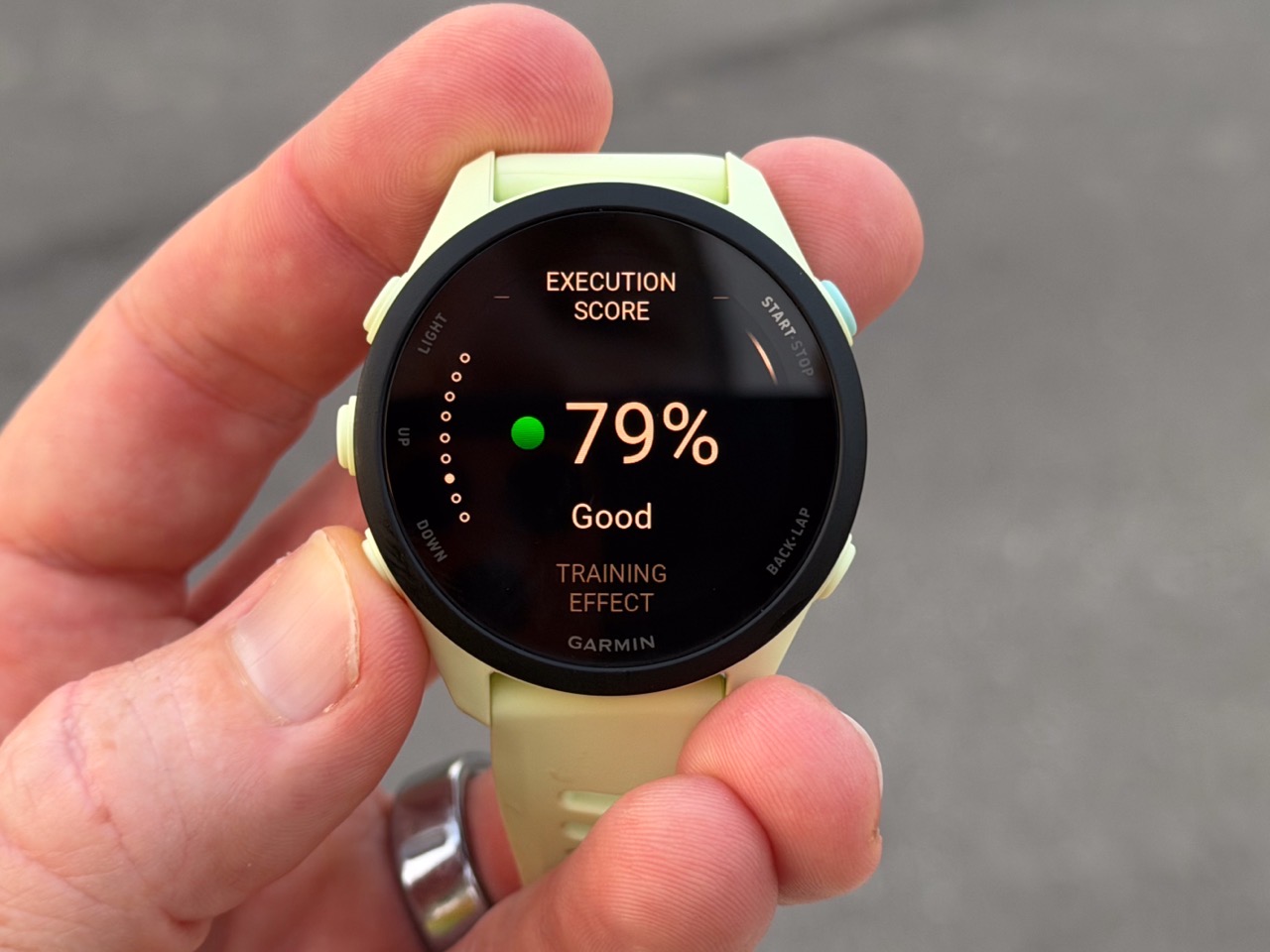
Ya know what I like best about this? It just works.
No faffing about with some app on your phone driven by wonky AI that can’t put together a coherent workout. Instead, this is driven by the coaching principles that we’ve seen the rest of the Garmin platform leverage on workouts for years. Generally speaking, most people agree that the running workouts it generates once it has enough data are pretty solid (albeit usually a bit conservative to avoid injury).
The point is, what I appreciate about this is that I can just decide how much I want to suffer as I walk out the door, without pulling out my phone, and then get right to business. Simple and effective.
Accuracy (Heart Rate & GPS):
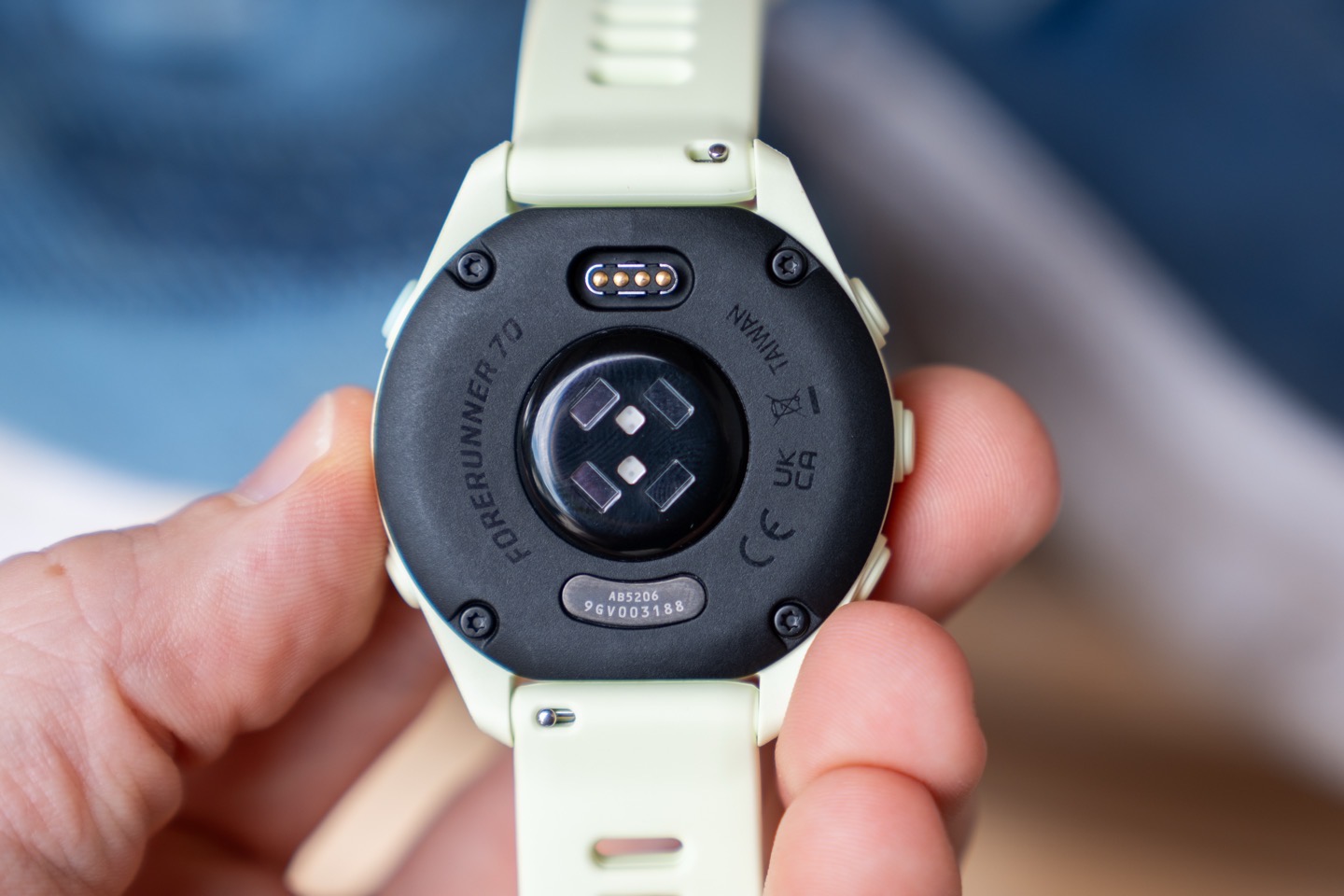
I’ll dive into accuracy within my full in-depth review, though I did want to briefly touch on it here, if for no other reason to say ‘no issues’. Both the heart rate sensor and GPS chipset are tried in true in numerous other watches over the last few years.
The heart rate sensor is a Garmin Elevate Gen4 optical HR sensor, which isn’t their latest generation (that’s Gen 5), but is generally good in the vast majority of situations. The Gen5 typically has an advantage in certain cases (like intervals on a cool but not super cold fall day), though the Gen4 beats almost all of Garmin’s competitors anyway.
First, a quick look at an interval workout from yesterday (the one I selected above in the Quick Workout generator, in fact). Here are both the Forerunner 70 & Forerunner 170, on separate wrists, compared to a chest strap and other devices.
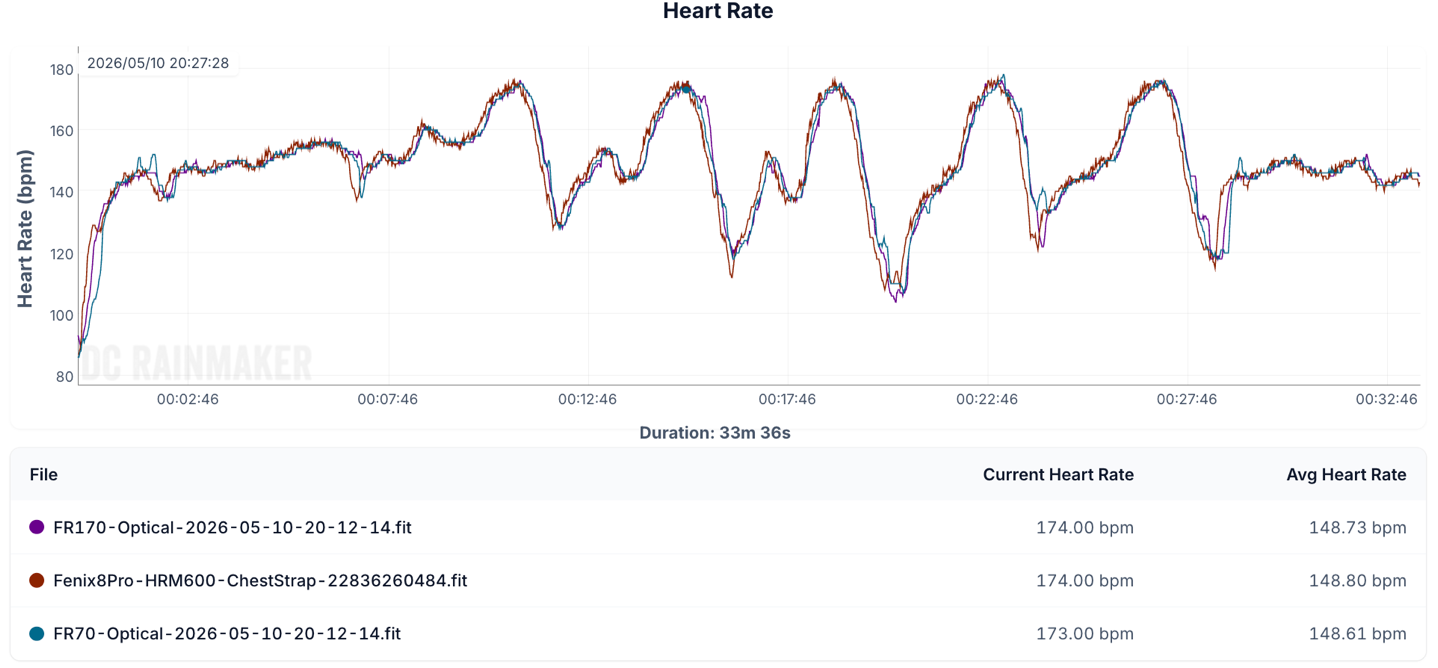
You can see some slight variations here and there, interestingly more on the FR70 than the FR170, though that’s likely just simply luck of the wrist than anything.
Meanwhile, here’s a trail run I did. Well, it started off as a trail run for the first 45 minutes, then I did some intervals for the last 45 minutes. You’ll see where I held up my camera to get a quick snippet of b-roll (while starting the interval going downhill), which caused the cadence lock you see. That’s a good example of an edge-case scenario that the Gen5 optical HR sensor can typically handle.
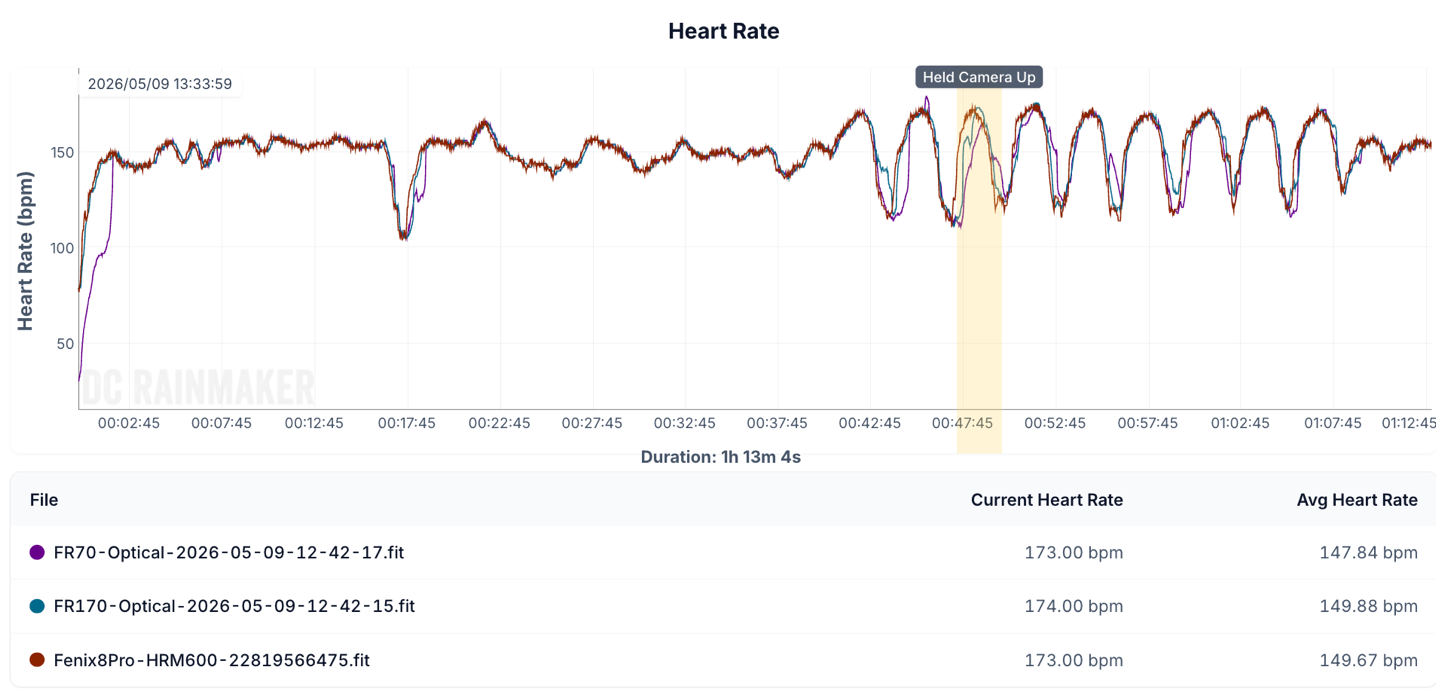
Still, there are other times where the FR70/170 varies a bit on the recovery, especially (which is semi-common for optical HR sensors that tend to delay catching up after dropping down).
Meanwhile, here’s a run my wife did yesterday, and you can see it’s virtually identical to the Garmin HRM-FIT chest strap she was wearing:
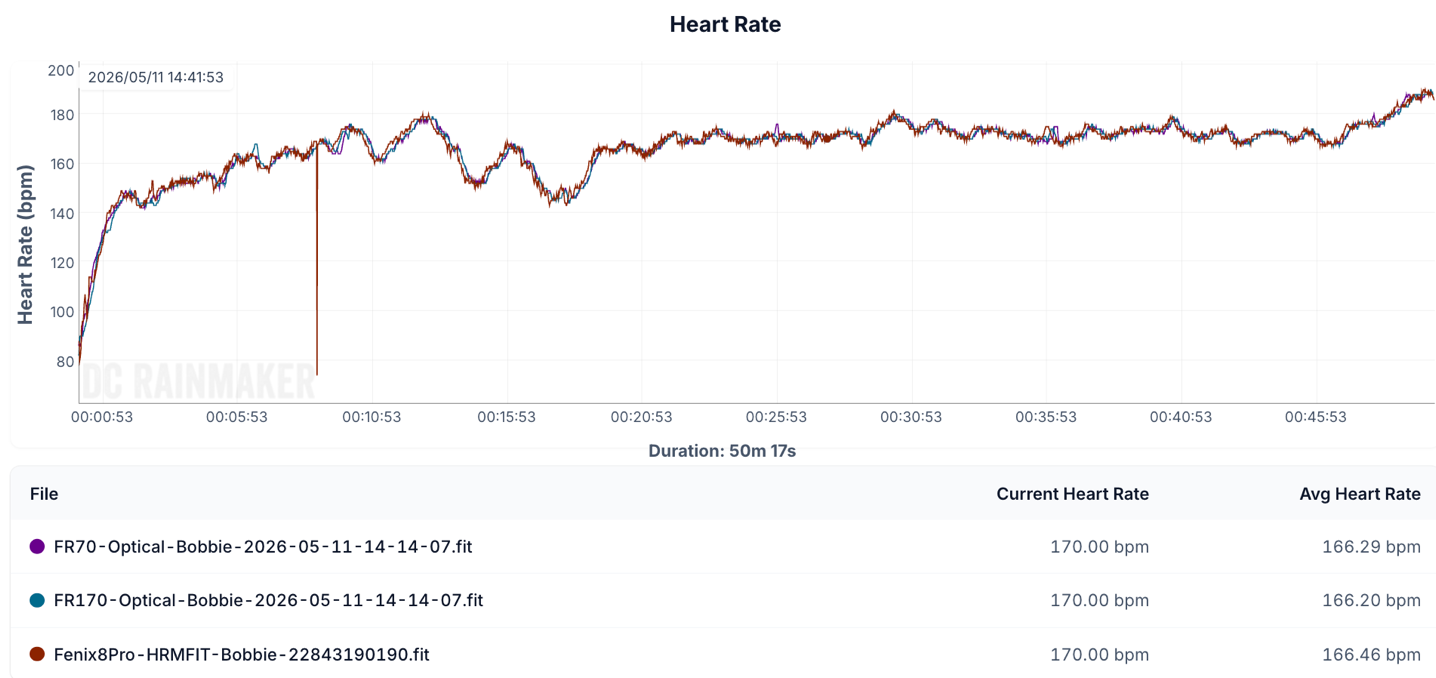
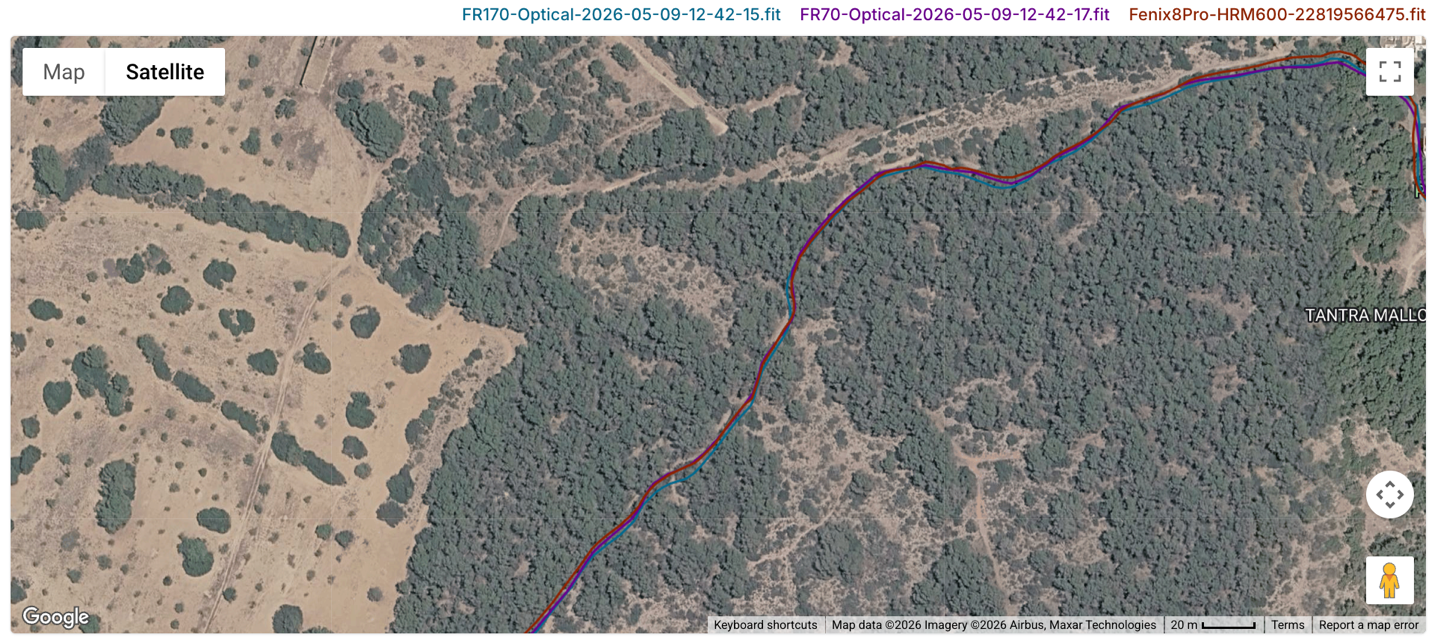
As for GPS, the Forerunner 70/170 doesn’t have a multi-band GPS/GNSS, but as I’ve said countless times, it’s not the size of your GPS, but how you use it. Garmin specifically has industry leading non-multi band GPS antenna designs (and chipsets/firmware) the last few years, and beats almost every other multi-band/dual-frequency unit on the market. Virtually every reviewer out there finds the same.
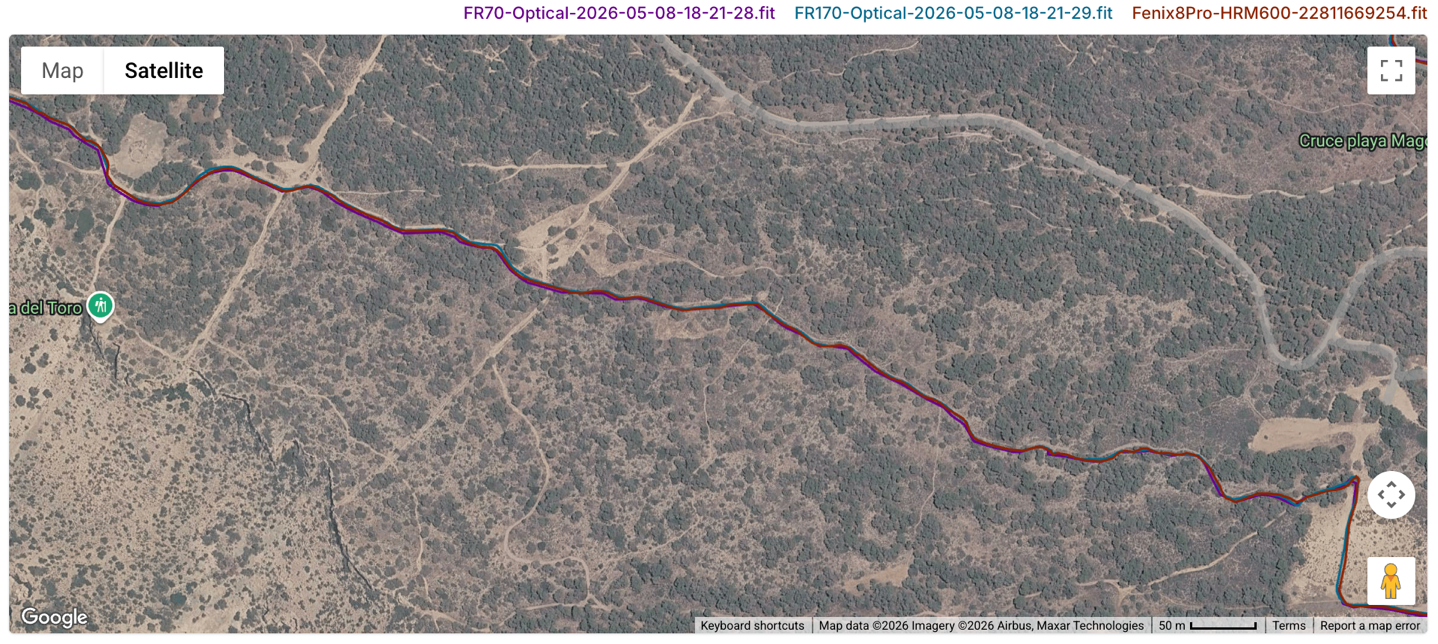
So, with that in mind, here’s some trail running, without any issues at all:
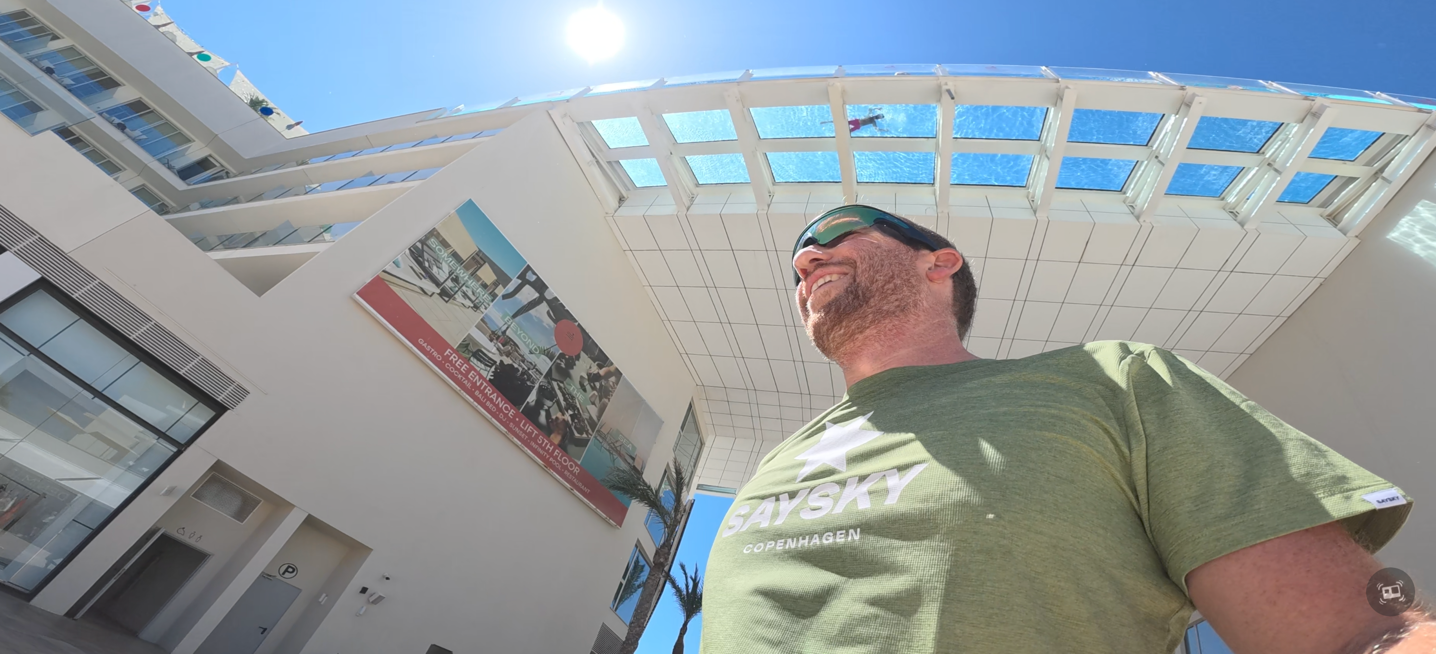
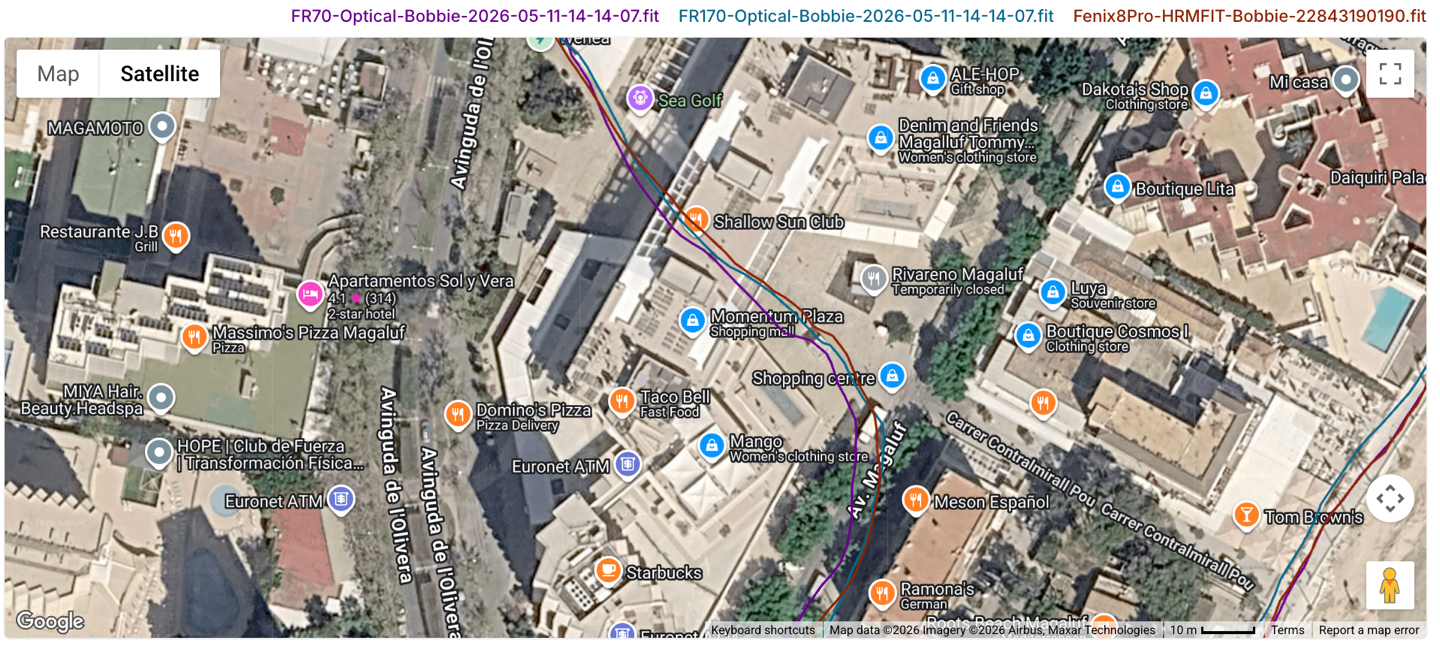
Likewise, here’s a downtown area with plenty of tall buildings, and even going under a swimming pool. No, really, I went under it (yes, that’s a man in the water looking down at me):
As you can see, it’s virtually identical to the Fenix 8 Pro with full multi-band enabled in that scenario:
And likewise for this gravel bike ride, no issues here, including next to cliffs, and fast single-track trails that are frankly mountain-bike trails. Here’s a zoomed-in snippet of one section:
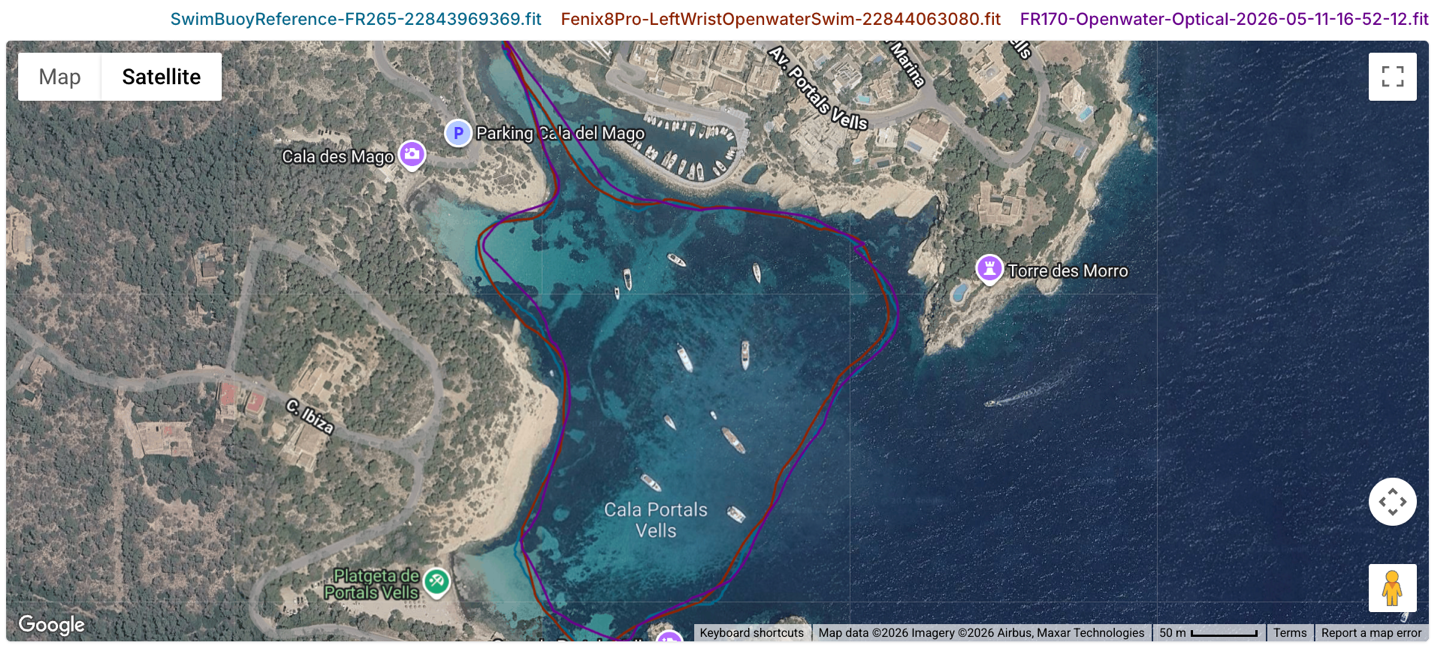
Lastly, the Forerunner 170 gained the ability to track openwater swims (both FR70/170 can do pool swim tracking). You can see that the tracking was pretty good. The multi-band Fenix 8 Pro had a very slight edge on it compared to the reference track on a swim buoy, but otherwise pretty darn close.
Again, I’ll toss some more data sets into my full in-depth reviews for both units, though they’re literally all identical to the above. Everything I’m seeing is exactly as I expect, his is perfectly accurate on GPS, and then pretty good on heart rate minus some slight bobbles here and there (as expected for the Gen4 heart rate sensors).
(Note: All of the charts in these accuracy portions were created using the DCR Analyzer tool. It allows you to compare power meters/trainers, heart rate, cadence, speed/pace, running power, GPS tracks, and plenty more. You can use it as well for your own gadget comparisons, more details here.)
Wrap-Up:
I’m legit surprised that Garmin packed as much as they did into this watch for $249. This is an incredibly competitive budget watch, even if the price of ‘budget’ has slowly shifted (by most brands) from $199 to $249. This watch is price-wise unlike anything else Garmin has released the last few years, in any of their categories. It’s the first time in a long time that Garmin seems determined to not just win on pure features (or depth), but also compete against the COROS/Suunto/Polar’s of the world with price.
As I said in my video, I see this watch as the ‘easy-button’ pick for almost all road runners, or general fitness-focused people wanting a Garmin watch without the Garmin price tag. It’s got all the health/lifestyle features of a higher-end Garmin watch, without compromising on the core running (or sports) features. Sure, it doesn’t have offline maps like an Amazfit unit would at this price, nor does it have music or contactless payments. But your phone does both of the last two, and for most road runners, maps aren’t a critical thing. Whereas if you shift over to trail running, then having offline maps (and features like ClimbPro) are much more valuable.
I have very few complaints about this watch, perhaps because almost all the features are already there in other watches and reasonably well-tuned. About the only ‘complaint’ I’d say is that the decision to exclude timing gates & race finish trimming is a bit quirky (given their inclusions of some ultra trail features), but honestly, that’s a pretty minor nit that most people won’t even notice (especially if you never load a route during a race).
It’ll be interesting to see in a few years if this unit turns out to be as popular as the existing Forerunner 55 was. With that – thanks for reading!


0 Commentaires