Zwift has announced they’ve acquired Rouvy, including the FulGaz platform that Rouvy acquired previously. Likewise, Rouvy had previously acquired Bkool last summer, but ultimately folded that very similar platform into Rouvy last month and shut down Bkool.
However, unlike the Rouvy/Bkool combo, Zwift says that they plan to run the two companies as-is with separate roadmaps and subscription services. In fact, short of a few hardware compatibility tweaks, there’s almost nothing meaningful changing for either side (including both employees and users).
Zwift specifically noted that “Both Zwift and ROUVY will continue to operate independently, with differentiated roadmaps and subscription packages”. Zwift did not disclose the financial terms of the acquisition.
What Changes?
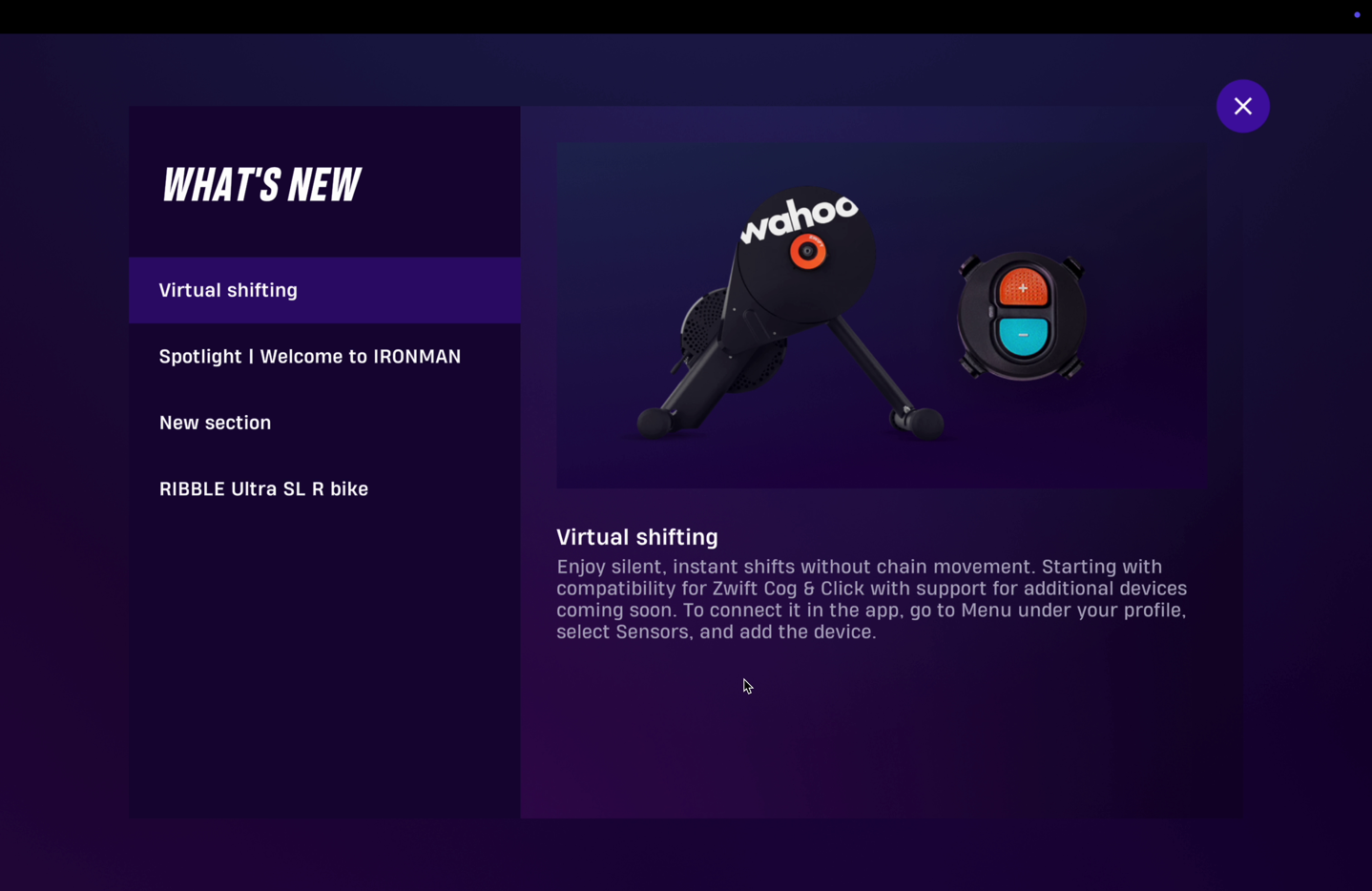
(Screenshot from a year ago, when Rouvy added unofficial support for Zwift hardware)
Essentially, one main thing is changing going forward, which is full support for Zwift hardware within Rouvy. This is specifically focused on the Zwift Click/Cog, as well as the Zwift Ride platform. At this point the Zwift Play isn’t included, since it’s not technically doing Zwift Protocol (Zwift said it’s unclear if that’ll change down the road).
This is kinda a funny turning point, since it was Rouvy that first reverse engineered the Zwift hardware to work within Rouvy (albeit to varying and often shifting degrees of success). That was needed because instead of adopting (or expanding) industry standards, Zwift created the Zwift Protocol and basically forced the trainer manufacturers to adopt it (which they all did). That left apps like Rouvy somewhat out in the cold when it came to consumers wanting to use the Zwift Cog-equipped trainers.
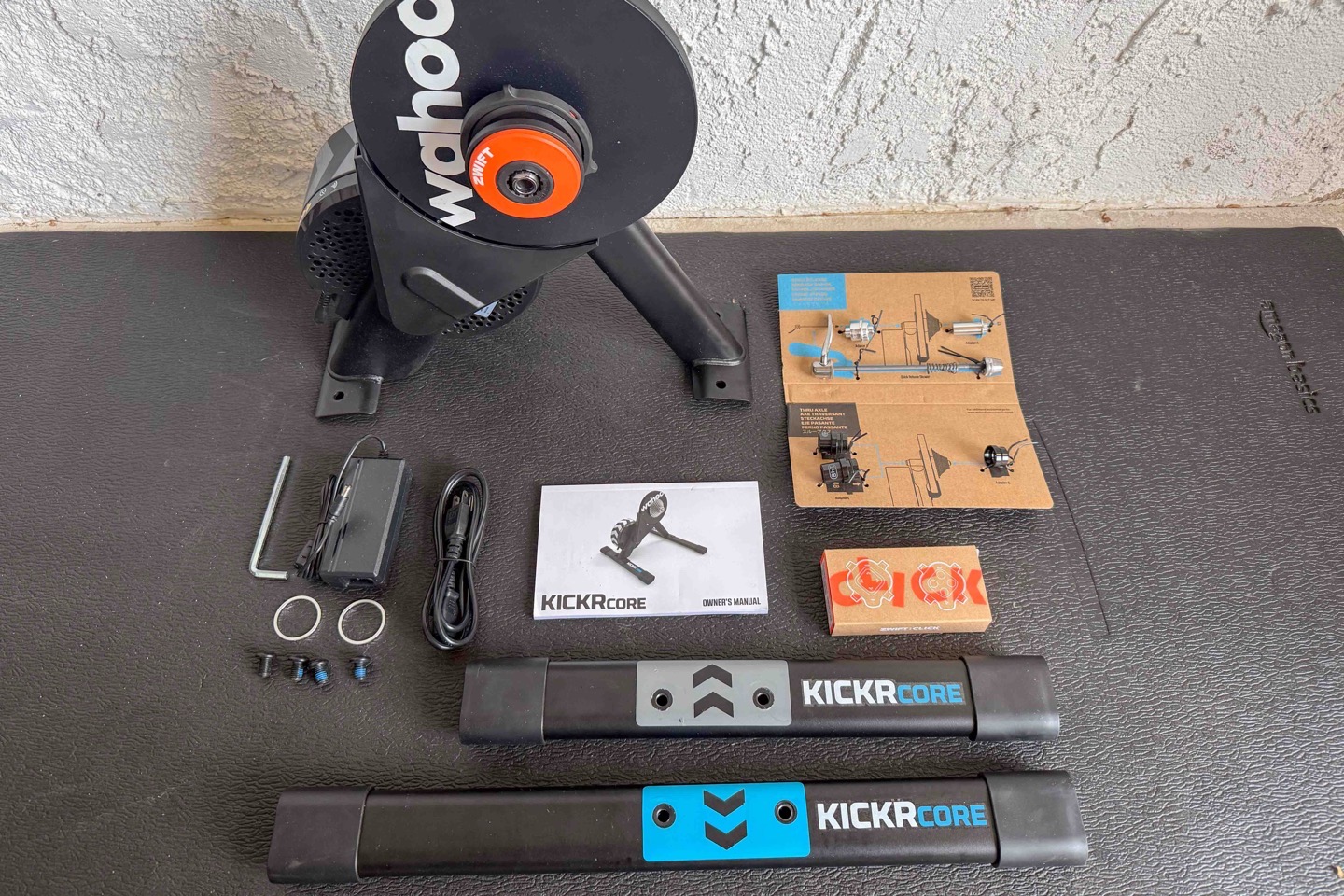
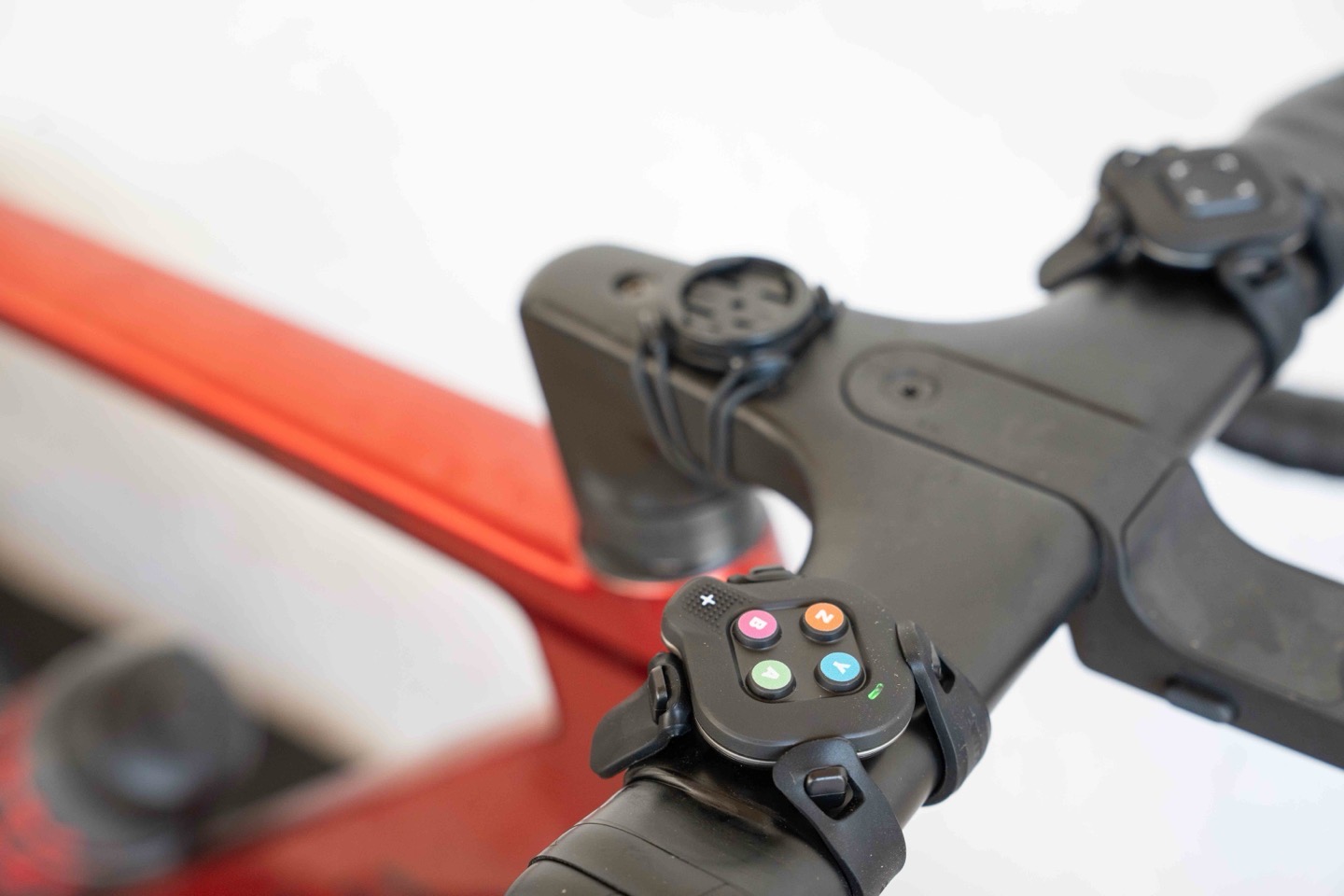
The bright side here for Rouvy customers is that Zwift says starting today, that’s officially supported in Rouvy. That comes in basically two parts. First is a software update in Rouvy that improves compatibility, and then secondly being the actual support side of things. Further, Zwift says that they expect to continue to refine/tweak the integration within Rouvy to improve it a bit. Today, that integration will include virtual shifting as well as in-game navigation. Whereas currently Rouvy as a platform doesn’t have any support for (or concept of) steering or braking, so those aren’t enabled today.
The downside of course is that this doesn’t move Zwift Protocol any closer to being an industry standard, and thus arguably, that hurts consumers since the main proponent of trying to open that up is now out of the picture (or, in the picture depending on how you look at it).
Beyond that hardware change, literally nothing else changes. For example, I asked about all the following:
Will users of either platform get access to the other side? Nope, subscriptions stay the same.
Will Rouvy highlight aspects of the Tour de France avec Femmes: Nope, those sponsorships stay the same.
Will team sponsorships change in any way? Nope, existing pro teams that both sides sponsor stay as-is.
Will completed activities in Rouvy update your Zwift training history/load/etc…? Nope, at least not anytime soon. Maybe down the road, but it didn’t sound like this was on the radar.
Will different experiences be migrated from one side to the other? Nope, no changes there either.
Will there be a squirrel in Rouvy? I didn’t ask this, though, I should. But I think we know the answer.
Does Rouvy CEO Petr Samek stay? Yup, he stays onboard to lead the Rouvy side of things. That’s a good thing, as he’s a smart (and very technical) duck and I think he brings some unique tech insights that could benefit both Zwift and Rouvy.
See, this is simple, right?
The Future?
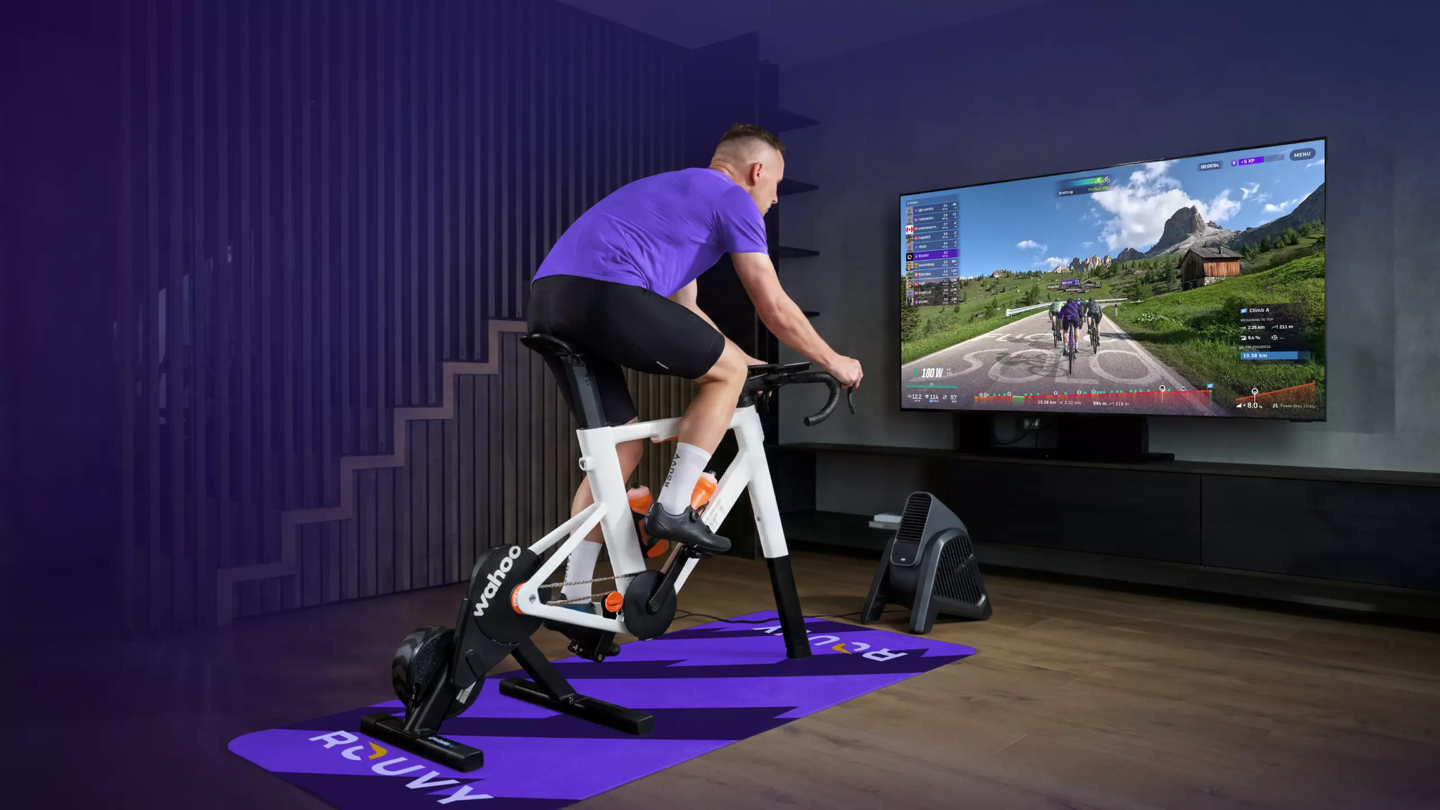
One thing I asked is what the point of this all was. Why bother acquiring Rouvy? Zwift’s spokesman said:
“We both believe that together we’re going to be able to grow the industry together, and not worry about competing with one another.
We’ve proven there’s a market for both video and virtual graphic experiences in indoor cycling, and having those two experience under the same family is a strong point.”
This roughly matches the press release remarks from Zwift CEO Eric Min, saying:
“We have a huge amount of respect for what ROUVY has achieved, developing a fantastic product and growing their global community by demonstrating there is a strong market for real video experiences. ROUVY’s differentiated experience is proof we can be stronger together, and I’m excited to see how this deal will accelerate our mission to make more people, more active, more often.”
Still, perhaps the more interesting thing to me is the fact that there’s no plans for a subscription bundle or such at this point. In other words, this is more akin to owning multiple properties rather than making that appealing as an increased platform for cyclists. And perhaps that’ll change at some point, but with Zwift, Rouvy, and FulGaz under a single umbrella, it kinda makes sense to try and make that more appealing to consumers.
But then again, while Zwift and Rouvy certainly compete against each other in terms of both being indoor training platforms, they are different types of platforms. In the same way that a mountain bike and a road bike are different. If you’re into the Rouvy real-course videos (but not Zwift virtual worlds), then from a competitor platform standpoint, Zwift really isn’t on your slate of suitors.
What it Means for Competition:
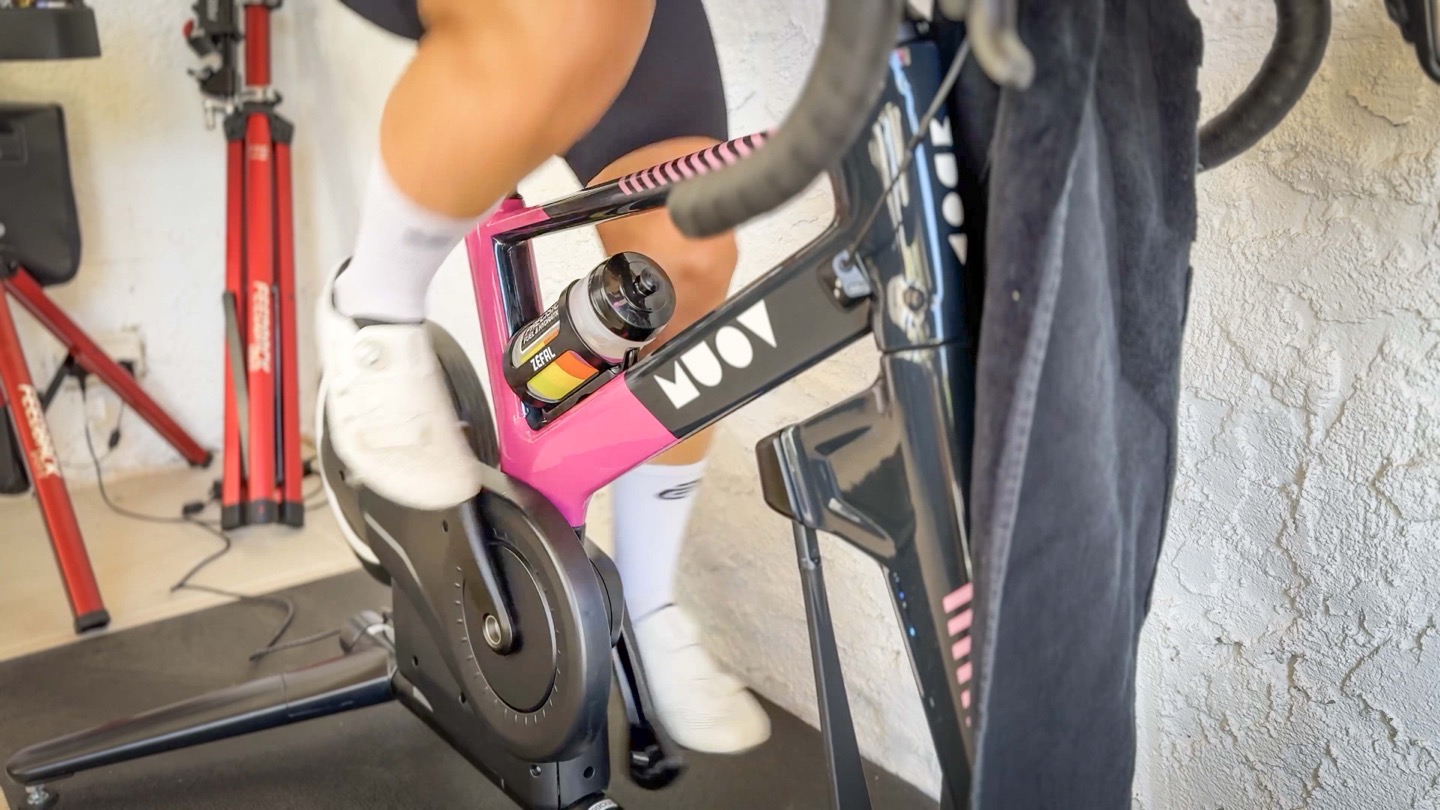
And I think that ultimately gets to whether this hurts or helps consumers, and frankly, I think that depends on which consumers we want to talk about. Meaning, if you’re a Rouvy user, I see this as largely a good thing. You’ve now got true and proper access to Zwift hardware (and far more importantly, 3rd party trainers that have Zwift Cog in them). Likewise, this opens up better integration for smart bikes that are using Zwift Protocol (for example, the Muov Bike).
Next, if you’re a Zwift user, I don’t really see this changing anything about your scene. You aren’t gaining anything, nor are you losing anything. You’re just…still there…doing your thing.
The bigger question is how it impacts the rest of the industry/consumers. And the first consideration there is probably price. And here’s the thing: I don’t think Zwift really cares, to an extent, what their competitors are doing on price. The reason is simple: Zwift knows it has a unique value prop, for users that value the features it has today.

(Above: TrainingPeaks Virtual)
Meaning, if you’re on Zwift today, the you’ve *already* chosen to pay that subscription fee over going to MyWhoosh (which is free), or TrainingPeaks Virtual (which is either a bit cheaper, or a lot cheaper, depending on all sorts of factors), or some other smaller 3rd party app. Rouvy previously wasn’t likely in that matrix of competitors to you, since it’s a totally different experience.
And to put a further point on that, the most common refrain I hear is “I’m going to jump to MyWhoosh, cause it’s free”, except here’s the thing: Zwift just keeps growing. And more critically, Zwift has realized that they can’t ever compete on price with a state-sponsored app. It’s factually a simple reality. Instead, they’re going to compete on where people want to be. For some people, they’re totally good with the MyWhoosh experience for free, because they don’t leverage or want the added Zwift aspects. And for others, they decide they want to pay for Zwift.
But critically, I don’t see that impacting Zwift’s long-term thinking on prices (short of Zwift trying to double prices). In the same way that Peloton doesn’t really care about Apple Fitness+ does on pricing, the user groups are largely different, despite having theoretical overlap. Likewise, we’ve seen TrainerRoad raise prices, because they decided to. Not because they had a higher price watermark. To be clear, Zwift isn’t saying they’re increasing prices of either platform, but that’s ultimately a common concern when competitors consolidate.
Said differently: Tech companies will continue to raise prices until enough people cancel that it outweighs the gained revenue. Despite a plethora of video streaming services, I got a notice a couple days ago that my Netflix price is rising yet again. Competition doesn’t always translate to lower prices, though it can translate to better products, which is what I think is more relevant here in this space.
If competitors like MyWhoosh and others hadn’t existed, I suspect we’d see Zwift’s pace of innovation slow. But equally, there’s virtually nothing Rouvy did that drove Zwift to implement a new technical feature, because the app concepts were so different (video vs virtual world).
With that – we’ll see how things change over the next year, I’m cautiously interested.
Thanks for reading!


0 Commentaires